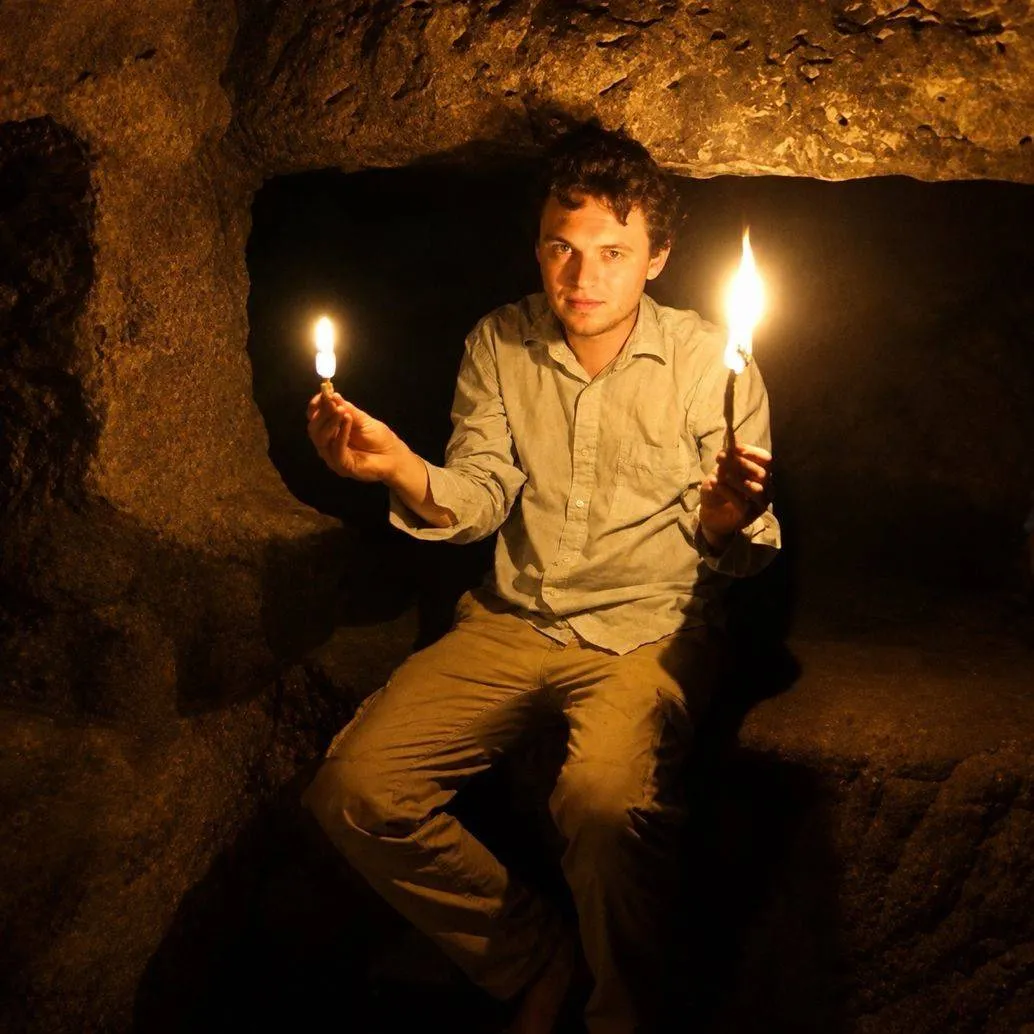
Philip Wood, a professor specializing in comparative religions, reveals the importance of his book "The Chronicle of Surt: Historical Imagination in Late Ancient Iraq," published by Oxford University Press. The book reinterprets the history of Christians in Iraq before the Arab Islamic conquest, relying on a significant document written in Arabic in the tenth century.
The document, translated by Chaldean Bishop Adai Sher, discusses the historical events that took place in the region of Surt, located in southeastern Turkey, where Sher was killed in 1915 during a campaign of genocide against Christians. The book is a new study that reflects the evolution of Iraqi Christian identity over the centuries, as Wood treats the text as a historical imaginative construct.
Event Details
The "Chronicle of Surt" has garnered considerable interest among researchers in Roman Byzantine history and Middle Eastern history, as it has been discussed in numerous academic reviews. The book does not merely analyze the document but offers a fresh perspective on how Christians imagined their history and their relationship with power.
In a review for the "UNRV" journal, it was noted that Wood managed to dismantle the fabricated elements within the text, allowing him to present a comprehensive picture of the Christian minority during the Sasanian era. The book also addresses the development of the Church of the East and how it interacted with the Orthodox Church during Byzantine rule.
Background & Context
The history of Christians in Iraq during the Sasanian era has always been a subject of controversy, as the traditional view considered them destabilizing elements due to their loyalty to the Romans. However, Wood presents an alternative view, clarifying that the persecution faced by Christians was a result of their beliefs and actions.
The book also discusses how Christian clergy adapted to Muslim rulers after the fall of the Sasanian Empire, a facet that has not received adequate attention in previous studies. Through this analysis, Wood provides a more complex picture of the relationship between Christians and the Sasanian state.
Impact & Consequences
The book highlights how the history of monasteries and Christian schools has been reintegrated into a comprehensive narrative centered around the patriarch in Ctesiphon. This narrative reflects how history was not merely a record of events but a tool for producing legitimacy and shaping a collective Christian identity.
Wood also pointed out the role of monasteries and Christian aristocratic elites in shaping this identity, reflecting the influence of Islamic culture on Christians during that period. The book offers a new perspective on how a "Christian politics" formed within the early Islamic world.
Regional Significance
Wood's study on the history of Christians in Iraq marks a turning point in the academic discussion surrounding late antiquity, as it repositions them at the center of dialogue rather than viewing them as marginal. This shift underscores the importance of understanding historical relationships between different religions and cultures in the region.
Through this book, both researchers and general readers can grasp how Iraqi Christian identity has evolved over the ages and how Christians interacted with various political powers. This perspective enhances the significance of studying history as a means to understand the present and future.