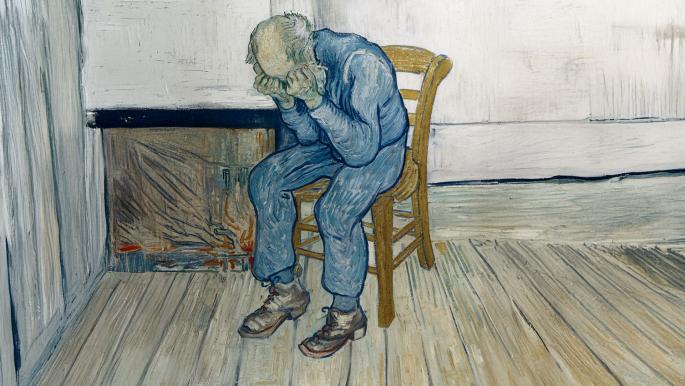
Inability is one of the harshest human experiences, where individuals sometimes feel guilt for not being able to contribute to changing a painful reality. In a world filled with conflicts and crises, some find themselves in safe places while others suffer unimaginable tragedies, raising ethical questions about their role in this suffering.
The tragedy of inability manifests in the feeling of separation from the tragic events occurring elsewhere. Simply sitting in a safe home while others are killed or tortured can become a heavy psychological burden, as the individual feels they are in a position that requires them to justify their existence and comfort.
Details of the Event
In many cases, individuals face internal conflicts due to their inability to help. This feeling of guilt may intensify when individuals are exposed to horrific scenes through the media, prompting questions about their humanity and duty towards others. This situation requires society to address these feelings in a way that fosters empathy and solidarity.
Inability also demonstrates how surrounding circumstances can affect individuals' psychology. People living in conflict zones or humanitarian crises often feel powerless to change their situations, leading to feelings of frustration and anxiety. In contrast, others live in safe places, raising questions about justice and equality of opportunity.
Background & Context
Historically, many societies have witnessed instances of collective inability, where entire populations suffered from wars and conflicts. In these contexts, the feeling of guilt becomes part of the human experience, as individuals question their role in the events unfolding around them. This historical context reflects how crises can impact the human psyche and how feelings of guilt can arise from inability.
These feelings intertwine with cultural and religious values, where helping others is considered a moral duty. In societies that promote values of empathy and assistance, the inability to help becomes a source of guilt, creating an internal conflict between the desire to help and the ability to do so.
Impact & Consequences
The guilt arising from inability can lead to negative effects on individuals' mental health. This feeling can result in depression and anxiety, complicating the psychological state of those who experience these emotions. It may also lead to a decline in decision-making ability, as individuals feel trapped between feelings of guilt and inability.
Furthermore, this feeling can affect social relationships, leading to social withdrawal or an inability to communicate with others. In some cases, individuals may try to compensate for their feelings of guilt by engaging in volunteer activities, reflecting their desire to overcome feelings of inability.
Regional Significance
Many Arab countries are experiencing ongoing humanitarian crises and conflicts, increasing feelings of inability among individuals. Under these circumstances, it becomes essential to promote values of empathy and assistance, as these values can help alleviate the guilt stemming from inability. Arab communities must work to create environments that support individuals in overcoming feelings of inability and foster a spirit of cooperation and solidarity.
Ultimately, inability remains a complex human experience that requires all of us to reflect on how to deal with our feelings and the feelings of others. By promoting values of empathy and assistance, we can create a more humane and united world.