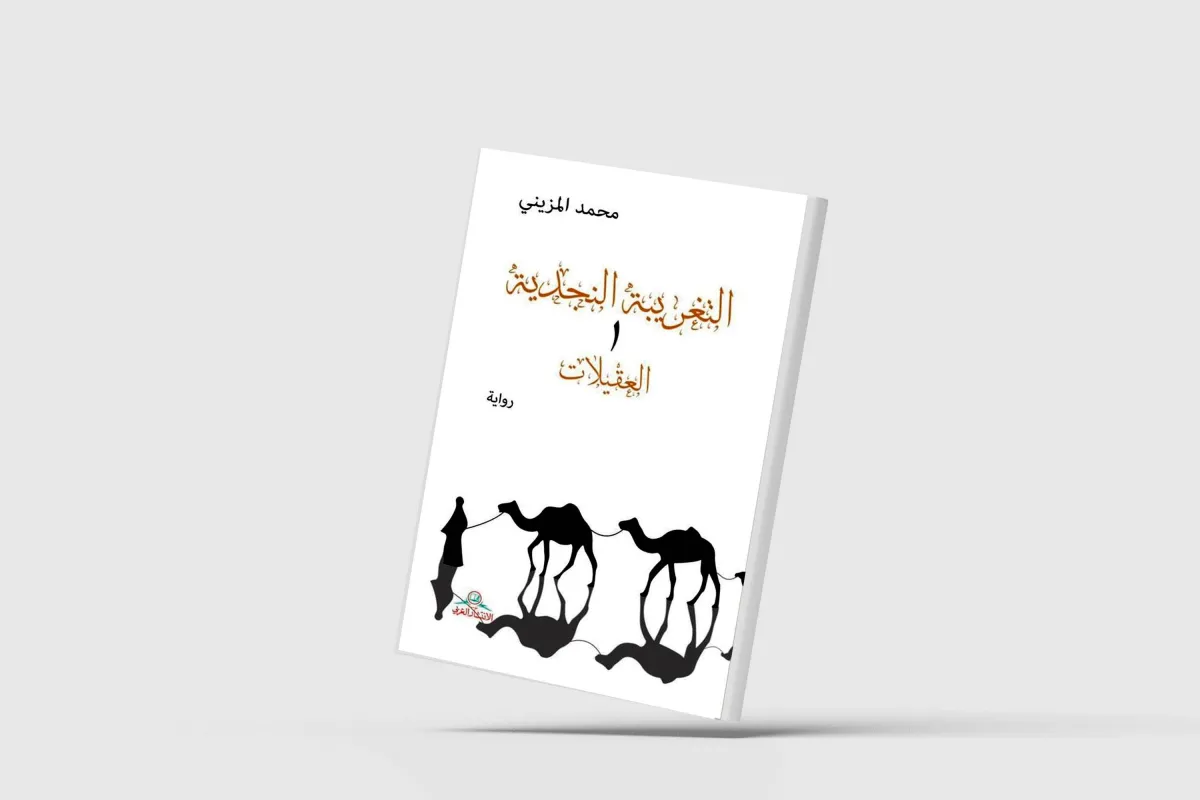
The four-part series "The Najdi Expatriation" by Saudi novelist Mohammed Al-Muzaini depicts a painful journey of men from Najd, traversing various Arab cities amidst conflict and fear. The narrative highlights the characters' suffering in harsh conditions, where feelings of hunger and illness follow them everywhere.
So far, two volumes of the series have been published by the Lebanese "Arab Publishing House," with the first volume comprising 358 pages and the second extending to 425 pages. The novel relies on historical references and studies, adding depth to the narrative and allowing the imagination to resonate with historical facts.
Event Details
The story revolves around men from the Aqil tribe who return to their homeland only to confront hunger and disease. Al-Muzaini describes a majestic scene where these men face a bitter reality, as the desert winds play with them, stealing their security and tranquility. In this context, everyone experiences the fear that grips their hearts.
The strength of the narrative is evident in its portrayal of painful scenes, as Al-Muzaini describes how people live in a harsh environment, surrounded by the fear of death and hunger. Feelings of sorrow and loss intertwine in the lives of the characters, making the reader deeply feel the suffering they endure.
Background & Context
"The Najdi Expatriation" embodies the historical reality experienced in the Arabian Peninsula, reflecting the social and political transformations that the region underwent. Al-Muzaini connects historical events with the characters, adding a human dimension to the narrative.
The novel discusses the impacts of wars and conflicts on people's lives, where they are subjected to abduction by warriors and opportunists. It also highlights the role of women in facing these circumstances, as they train to defend themselves and play an active role in protecting their families.
Impact & Consequences
"The Najdi Expatriation" demonstrates how harsh conditions can shape individuals' identities and influence their destinies. Through the characters in the novel, Al-Muzaini reflects on how pain and suffering can generate strength and resilience in the face of challenges.
The narrative transcends the boundaries of time, showcasing how history sometimes repeats itself, prompting the reader to contemplate the fate of previous generations and how it can affect the present.
Regional Significance
"The Najdi Expatriation" serves as a mirror reflecting the realities of Arab societies, addressing issues of hunger, disease, and conflict. The novel illustrates how these issues continue to impact people's lives in the region, making it relevant to the current reality.
In conclusion, readers eagerly await the release of the remaining parts of this narrative epic, hoping to see its adaptation on the Ramadan screen, reflecting the importance of literature in documenting history and conveying human experiences.