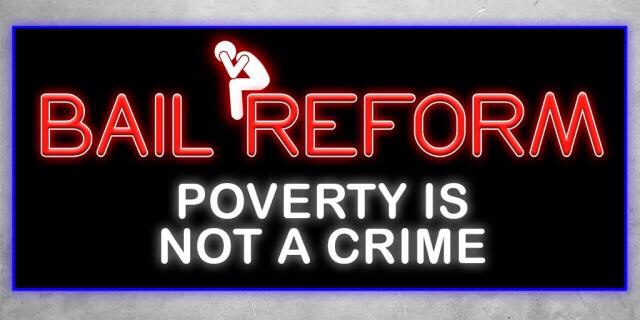
Concerns are rising about the potential to reduce bail by paying intermediaries, a practice increasingly common among individuals today. This raises questions regarding the legal and ethical implications of such actions.
In light of the difficult economic conditions faced by many, some individuals are seeking ways to lower the financial bail required for their release or that of their loved ones. Reports indicate that many people are turning to pay intermediaries or "fixers" to achieve this goal, raising concerns about the legitimacy of these actions.
Details of the Situation
Reports suggest that many individuals are searching for ways to reduce bail, leading to the emergence of an informal market for intermediaries who promise to lower bail amounts in exchange for financial fees. These practices have sparked widespread debate about their legality, with some arguing that these means could lead to the exploitation of individuals in difficult situations.
There are various reasons driving individuals to seek these solutions, including financial pressures and the inability to pay the full bail amount. Some studies have shown that this phenomenon is not new, but it has significantly increased recently, necessitating a closer examination of its legal and social implications.
Background & Context
Historically, bail has been viewed as a means to ensure defendants' presence at trials, but with rising economic pressures, many individuals have begun to seek alternative methods to alleviate financial burdens. In some countries, bail represents a significant obstacle to the release of defendants, prompting them to search for unconventional solutions.
It is worth noting that this phenomenon is not confined to a single country; it recurs in many nations suffering from economic crises. Some studies have indicated a correlation between difficult economic conditions and an increased demand for intermediary services.
Impact & Consequences
These practices could lead to serious legal repercussions, as paying intermediaries could be considered bribery or corruption. This situation may open doors to larger legal issues and negatively impact the reputation of the judicial system.
Moreover, this phenomenon could contribute to the spread of corruption within the judicial system, as some intermediaries may seek to exploit the situation for personal gain at the expense of individuals in need of assistance.
Regional Significance
This issue is particularly significant in the Arab region, where many countries are grappling with severe economic crises. This phenomenon could exacerbate social and economic conditions, increasing tensions within communities.
Additionally, this phenomenon may reflect the growing gap between social classes, as the wealthy can easily afford to pay bail, while the poor struggle to access justice.
In conclusion, this issue highlights the need for a review of legal systems related to bail and the provision of fairer alternatives for individuals facing financial difficulties. It is crucial to address this issue carefully to ensure that corruption does not proliferate and that individuals' difficult situations are not exploited.