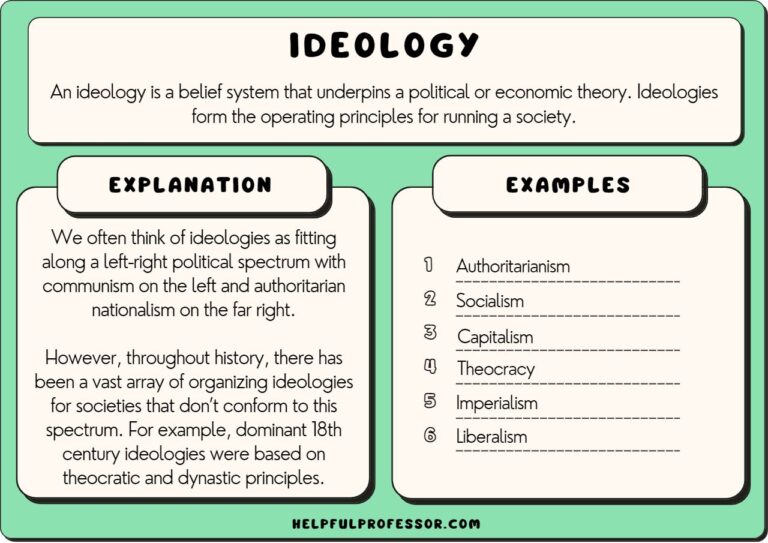
Ideology continues to organize collective experiences despite intense conflicts surrounding it, providing a negotiable meaning to reality. This article examines the role of ideology as an interpretative tool and a means to understand the world.
Previously, ideology was viewed as an interpretative structure used to understand human events and experiences. However, the political and social transformations witnessed globally in recent years have led to significant changes in how ideology is understood and applied. Ideology has become a mobilizing tool, used to direct and motivate the masses to adopt specific stances.
Event Details
Research and studies show that ideology plays a pivotal role in shaping collective identities, serving as a means to interpret historical and social events. In divided societies, ideology becomes even more critical, as it seeks to unify individuals under a common banner despite their differences.
However, ideology is not static; it evolves over time. Ideological conflicts can lead to deeper divisions, reflecting the challenges societies face in their attempts to achieve consensus. Therefore, understanding ideology requires examining the historical and social contexts that shape it.
Background & Context
Historically, ideology has been used as a tool to interpret the world, contributing to the formation of political and social movements. From communism to liberalism, ideologies have been employed to guide public policies and determine development paths. However, ideology can also be a source of conflict, as different ideas compete for dominance.
In recent years, we have witnessed the rise of populist movements expressing people's dissatisfaction with political elites. This shift reflects a discontent with traditional ideologies, opening the door for new ideas that may reshape the political landscape.
Impact & Consequences
Ideology directly influences how individuals interact with each other and with their institutions. Ideologies that promote tolerance and understanding can contribute to building more cohesive societies, while those that foster division may exacerbate conflicts.
Moreover, ideology plays a role in shaping public policies, as it is used to justify governmental decisions. Thus, understanding ideology aids in analyzing policies and their impact on society.
Regional Significance
In the Arab region, ideology is a fundamental element in shaping national and collective identities. Many Arab countries have experienced ideological conflicts that have led to radical changes in the political landscape.
The current challenges in the region, such as armed conflicts and economic crises, require a reevaluation of prevailing ideologies. A shift towards dialogue and understanding may help transcend divisions and build a more stable future.
In conclusion, in a world characterized by rapid changes, ideology remains a powerful force in shaping human experiences. Understanding its role and evolution is essential for achieving consensus and building more cohesive societies.