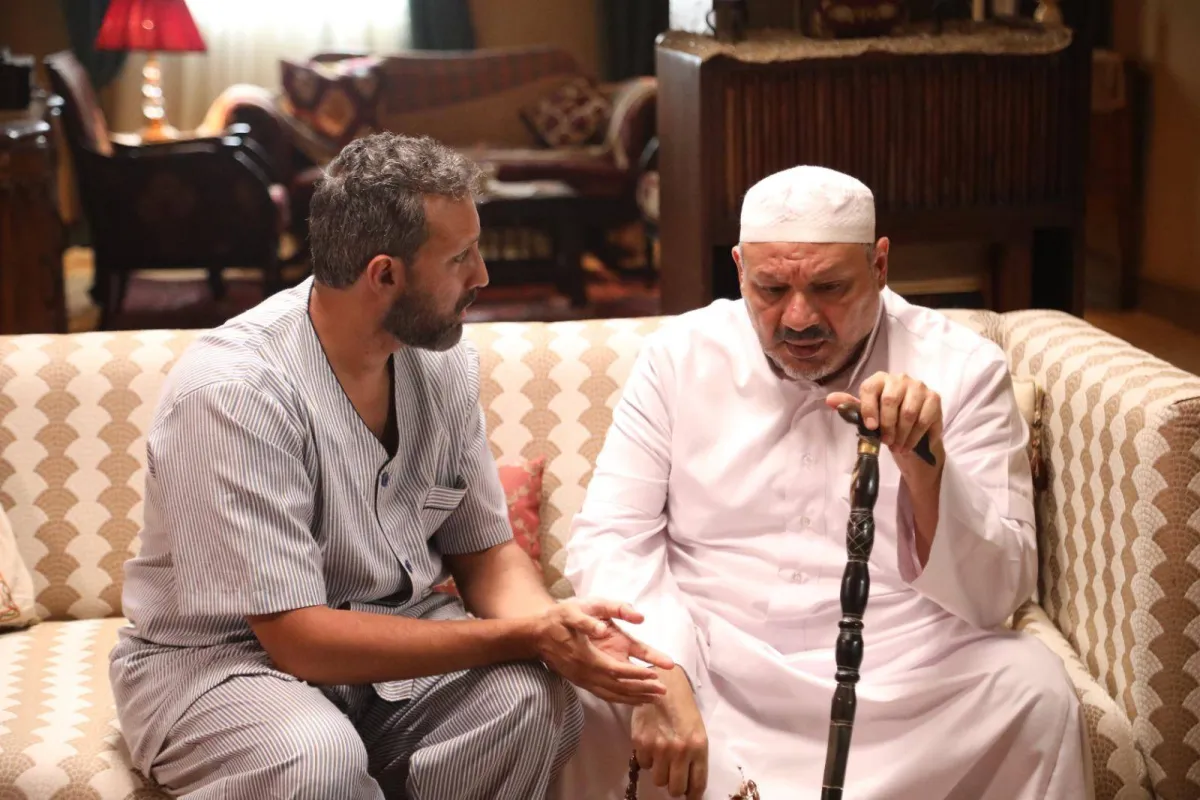
This week, the Saudi film 'Hajir' begins screening in local cinemas, narrating an inspiring human story that intersects with the experience of the global composer Beethoven, who lost his hearing yet composed genius melodies. The film aims to redefine hearing, not merely as a sensory ability but as a means to shape music and creativity.
The film's producer, Aml Al-Hajjar, discusses the details of the idea and the structure of the story, noting that the initial spark came from a real-life experience when she was in a place with individuals who have hearing disabilities. Al-Hajjar states, "I thought: What can we offer them?" adding that their interaction with the world raised questions about how they perceive those who rely on sound.
Event Details
The film is set in Jeddah during the period from the late 1960s to the 1980s, a time that witnessed significant cultural transformations, particularly in music. The film highlights an environment where music education was available in some schools, such as Al-Thaghr School, where the protagonist learned to read and understand musical notes, reflecting the presence of music in daily life at that time.
The story follows the journey of 'Hajir', who grew up in a music-loving family, with his father being a violinist. Despite the challenges he faced due to hearing impairment, his family was a source of support for him. Al-Hajjar clarifies that the protagonist had a hearing impairment since birth, but his condition worsened at the age of ten due to a fever that destroyed what remained of his hearing.
Context and Background
The story also addresses the social challenges faced by 'Hajir', as the school no longer accepted him, and he began to face bullying from those around him. However, his family remained supportive, as he continued to learn the Quran, which helped him maintain his speech and articulation. In one scene, 'Hajir' draws a piano on the ground and moves over its keys, even though he cannot hear, reflecting the character's philosophy.
A love story intertwines with the character's path, as 'Hajir' expresses his feelings for 'Aliyah', the daughter of an orchestra conductor at Jeddah Radio. This relationship faces negative perceptions from society, but 'Hajir' remains steadfast in his love for her, reflecting an important human dimension in the film.
Consequences and Impact
The events unfold when 'Hajir' composes a melody and dedicates it to 'Aliyah', who decides to claim it as her own, leading to the melody's success in Egypt. With the emergence of hearing aids in the 1980s, 'Hajir' is able to use a device that helps him hear, changing the course of his life. This moment is pivotal, as he hears the melody he composed for the first time.
The story carries a strong message of hope, emphasizing the importance of not losing hope despite challenges. Al-Hajjar states, "He did not lose hope despite everything he went through, and he did not see his disability as a barrier preventing him from living, loving, or creating."
Impact on the Arab Region
The film 'Hajir' represents a unique experience in Saudi cinema, striving to present inspiring human stories away from traditional patterns. The film reflects the cultural and social transformations in Saudi society and enhances the importance of representing individuals with disabilities in the arts. It also highlights the necessity of supporting creativity and self-expression, reflecting the evolution of cinema in the region.
In conclusion, 'Hajir' offers a cinematic experience that begins with a simple human question, transforming into a work that explores hope, creativity, and redefining oneself beyond the boundaries of sound.