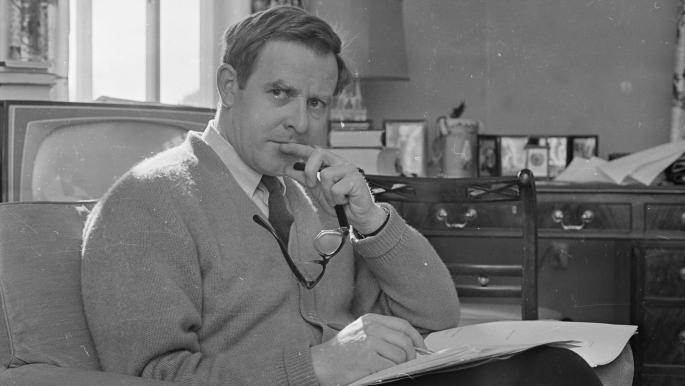
The exhibition 'John le Carré: The Craft of Spying' is set to conclude at the University of Oxford on April 6. This exhibition provides a one-of-a-kind experience for literature and espionage enthusiasts. It aims to explore the life and works of the famous British author, who is considered one of the foremost writers of spy novels in the twentieth century.
The exhibition features a collection of original documents and manuscripts, along with rare archival materials that reflect the evolution of le Carré's works, who excelled in depicting the complexities of the espionage world. Born in 1931, le Carré is regarded as one of the most significant names in contemporary literature, with his novels characterized by psychological depth and complex characters.
Event Details
The exhibition is held at the University of Oxford, one of the world's most prestigious universities, and runs until April 6. It includes a range of artworks and manuscripts that highlight le Carré's impact on literature and popular culture. The exhibition also offers visitors the opportunity to learn about the backgrounds of some key characters in his novels and how the author drew inspiration from them for his stories.
Accompanying events include lectures and seminars addressing topics related to espionage and literature, enhancing visitors' understanding of le Carré's world. This exhibition is a rare opportunity for literature lovers to engage with the works of an author who left a clear mark in the realm of fiction.
Background & Context
John le Carré is the pen name of David Cornwell, who began his career as a spy before turning to writing. His famous novel 'The Spy Who Came in from the Cold' is one of his most notable works, reflecting the political and personal struggles during the Cold War. His works have contributed to shaping the image of espionage in popular culture, blending reality and fiction in a unique manner.
Le Carré's works were influenced by numerous historical events, including the Cold War, which had profound effects on international relations. Through his novels, le Carré managed to provide deep social and political critique, making him one of the leading writers of political literature.
Impact & Consequences
The 'Craft of Spying' exhibition serves as a celebration of le Carré's literary legacy, highlighting his influence on literature and culture. The exhibition demonstrates how literature can be a means to understand political and social complexities, reflecting how spy stories are not merely narratives of events but expressions of deep human issues.
By exploring le Carré's works, visitors can understand how literature can be used as a tool to express contemporary issues, thereby enhancing the importance of culture in shaping social and political awareness.
Regional Significance
Although le Carré's works primarily focus on Western contexts, the themes of espionage and political conflict resonate in the Arab region. His novels reflect some of the challenges faced by countries in various contexts, making them relevant to the Arab reality.
Issues related to espionage and surveillance are part of the daily experiences of many Arab countries, making it essential to understand these topics through the lens of literature. The exhibition could inspire Arab writers to explore these themes in their works, thus fostering cultural dialogue around issues of espionage and politics.
In conclusion, the 'John le Carré: The Craft of Spying' exhibition is a unique opportunity to explore the world of literature and espionage, reflecting the significant impact of the great author on popular culture. The exhibition encourages visitors to think about how literature influences our understanding of the world around us.