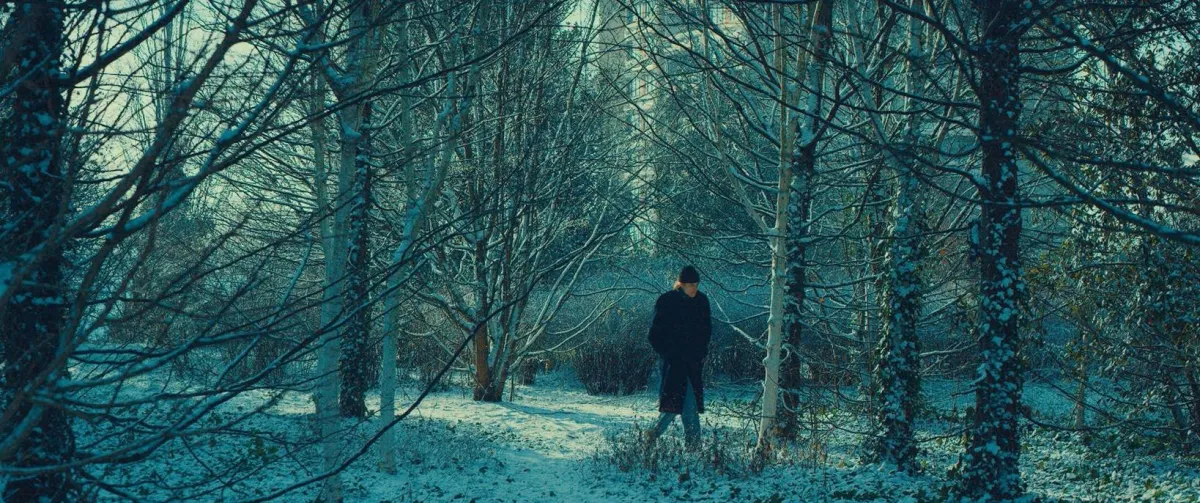
The film 'Winter in Russia' by Austrian director Patrick Chihha offers a deep insight into the suffering of a Russian generation that finds itself in exile, shedding light on the existential questions that haunt them after escaping their homeland. Premiering at the Berlin International Film Festival, the film does not focus solely on the war itself but rather on the psychological and social consequences that arise from the decision to flee.
Through its portrayal of young faces living in cities like Istanbul and Paris, the film reflects the heavy silence that follows their escape, demonstrating that exile is not merely a physical relocation but a complex mental state. It tells the story of Marguerita and Yuri and their friends who faced a difficult choice: imprisonment, military service, or departure. They chose exile, but this choice did not grant them salvation; instead, it intensified their feelings of guilt and shame.
Event Details
The film unfolds over 87 minutes, exploring the lives of a group of young Russians living in a state of uncertainty. It poses profound questions about courage and escape, reflecting the internal struggle experienced by these youths, who feel they have abandoned their responsibilities. The friendship between Yuri and Marguerita emerges as a crucial element that maintains their connection in a world filled with isolation.
Chihha employs a distinctive visual style that blends ordinary daily scenes with artistic moments, adding depth to the viewer's experience. He noted that the idea for the film arose from images he saw of young people crossing borders to flee their homeland, prompting him to contemplate the meaning of escape and its psychological ramifications.
Background & Context
The significance of the film lies within the context of ongoing events in Russia, where young people face increasing pressures due to the war and political decisions. The film reflects a complex reality that transcends mere flight, addressing the impact of war on identity and belonging. It also tackles broader issues related to individual responsibility in the face of oppressive regimes.
By depicting real experiences, Chihha aims to provide a different perspective on youth who reject the system, contributing to the expansion of the discussion surrounding migration and asylum in today's world.
Impact & Consequences
The repercussions of the film extend beyond cinema, highlighting deep humanitarian issues related to identity and belonging. It illustrates how war affects not only those on the front lines but also those forced to leave. The film opens the door to discussions on how societies deal with refugees and migrants, as well as the ethical responsibilities towards them.
Positive reactions to the film demonstrate how art can serve as a means of expressing human suffering, reinforcing the importance of cinema as a tool for social change.
Regional Significance
In light of the multiple crises facing the Arab region, 'Winter in Russia' could resonate significantly with Arab youth who experience similar challenges of migration and asylum. The film reflects feelings of alienation and the search for identity, issues that intersect with the experiences of many young people in Arab countries.
The film could help raise awareness about migration and asylum issues, prompting Arab communities to consider how to support these youths and assist them in facing the challenges they encounter.
Ultimately, 'Winter in Russia' is a rich cinematic experience that addresses profound humanitarian issues, making it an artistic work worthy of viewing and reflection.