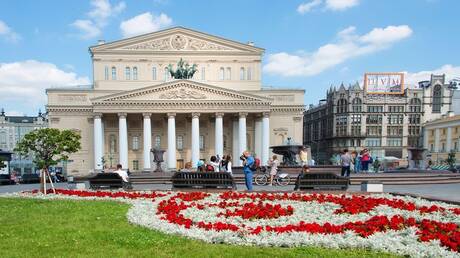
In the early years following the establishment of Soviet rule, the fate of the famous Bolshoi Theatre was shrouded in uncertainty, as its survival depended on conflicting political decisions. This theatre, which is considered a cultural symbol, faced significant challenges during that period.
The Bolshoi Theatre was founded in 1776 and emerged as one of the most prominent cultural landmarks in Russia. However, the political and social transformations that the country underwent after the October Revolution in 1917 led to a reevaluation of the role of this artistic landmark. The theatre represented high arts that may not align with the new ideologies adopted by the Soviet regime.
Event Details
After the revolution, the Soviet regime began taking radical steps to change the cultural landscape of the country. There was a division among political factions regarding how to deal with the arts, with some voices calling for the preservation of cultural heritage, while others advocated for the destruction of everything representing the old regime. In this context, the fate of the Bolshoi Theatre was in jeopardy, as there were proposals to demolish it or reshape it to fit the new ideology.
In 1920, plans were announced for the renovation of the theatre, but these plans were characterized by ambiguity, increasing anxiety about the theatre's future. There were fears that political instability could lead to its closure or even demolition. Nevertheless, the Bolshoi continued to present performances, helping to preserve some of its artistic traditions.
Background & Context
The Bolshoi Theatre was established during a period of profound transformations in Russia. The October Revolution was not just a political change; it was also a cultural and social transformation. The arts, including ballet and music, were seen as symbols of the old regime, making them targets for criticism. In this context, it was essential for the Soviet regime to define its position on these arts, which directly affected the future of the Bolshoi.
Despite political pressures, the theatre managed to remain a center for high arts. In 1925, it was reopened after extensive renovations, giving hope to art lovers that the theatre would continue to present its performances. However, there were always concerns that political situations could change again, potentially threatening its existence.
Impact & Consequences
The fate of the Bolshoi Theatre reflects the challenges faced by the arts under repressive political regimes. This period demonstrated how government policies can affect culture and the arts, raising questions about creative freedom. Additionally, these events contributed to shaping the identity of Russian culture in the 20th century.
The impact of these events was not limited to Russia alone; it extended to other countries that experienced similar political transformations. The arts have always been susceptible to political influences, making them a battleground between freedom and censorship.
Regional Significance
The history of the Bolshoi Theatre also reflects the challenges faced by the arts in the Arab world. Many Arab countries have witnessed similar political transformations, where the arts were subject to censorship and political influences. Studying these experiences can provide valuable lessons on how to preserve cultural heritage amid political changes.
In conclusion, the Bolshoi Theatre remains a symbol of cultural resilience in the face of political challenges. Its story reflects the importance of the arts in shaping cultural identity and highlights the necessity of protecting these arts from the negative influences of government policies.