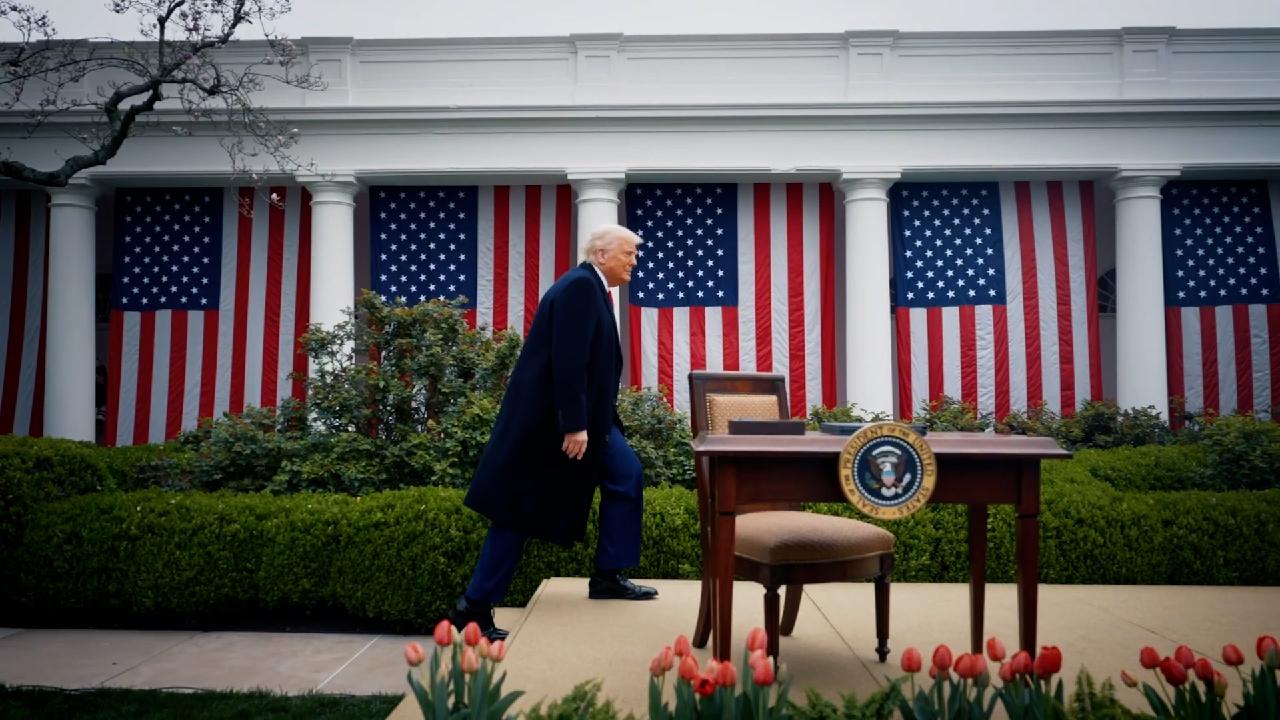
Questions are rising about the future of customs duties related to Liberation Day, with no final decision made yet. These duties, carrying historical and political significance, could impact trade relations between the concerned countries. As everyone awaits official clarifications, the current situation remains ambiguous.
Customs duties on Liberation Day are part of a broader economic policy aimed at enhancing national sovereignty and boosting local production. However, uncertainty regarding these duties may lead to negative repercussions on local and international markets.
Details of the Event
In recent years, customs duties associated with Liberation Day have undergone several changes, being periodically adjusted in response to economic and political conditions. However, the lack of a decisive decision regarding the current duties raises concerns among traders and investors. Reports indicate that there are pressures from some parties to reduce the duties to promote trade, while others advocate for maintaining them as a means of protecting local industries.
These duties particularly concern imported goods that affect the local market, making them a topic of discussion among various stakeholders. Under these circumstances, the most pressing question remains: what is the future of these duties?
Background & Context
Historically, customs duties on Liberation Day were imposed as part of the state's efforts to protect its economy and enhance its independence. These duties have seen several changes over the years, being considered an effective tool in addressing economic challenges. In recent years, with the rise of globalization, it has become essential to reevaluate these duties in the context of international trade.
It is worth noting that customs duties are not merely an economic tool; they also carry political implications. They reflect the government's stance on international trade and relations with other countries. Therefore, any changes to these duties could have far-reaching effects on international relations.
Impact & Consequences
If customs duties are maintained, this could lead to increased prices for local consumers, negatively affecting purchasing power. On the other hand, if they are reduced, this could enhance competition in the market, potentially helping to lower prices and improve quality.
These decisions require careful consideration of the potential repercussions on the local economy and trade relations. There is also a need for a comprehensive analysis of the impact of these duties on various sectors, including industry, agriculture, and services.
Regional Significance
In the context of the Arab region, customs duties on Liberation Day could affect trade relations between Arab countries. With increasing economic challenges, it becomes essential to enhance trade cooperation among Arab nations, and easing customs restrictions could be a step towards achieving this goal.
Furthermore, any changes in customs duties may influence trade flows between Arab countries and other nations, necessitating the consideration of new strategies to enhance inter-Arab trade.
In conclusion, the future of customs duties on Liberation Day remains uncertain, requiring stakeholders to make informed decisions that consider both economic and political dimensions. The current challenges call for innovative solutions that promote economic stability and support trade relations.