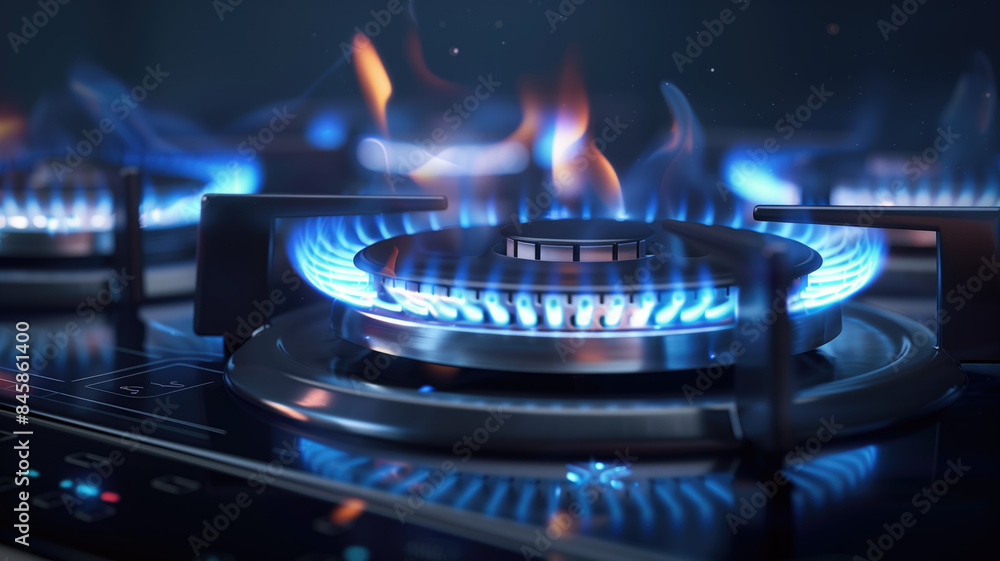
The economic crises in many Arab countries are prompting communities to seek innovative alternatives to face daily challenges. In this context, traditional lanterns and stoves are emerging as ancient symbols, gaining new significance as practical solutions.
Historically, lanterns were used for lighting, while stoves were essential for cooking. With technological advancements, their usage declined, but current crises have revived interest in them as sustainable alternatives.
Event Details
As energy and food prices soar, people in numerous Arab nations are returning to the use of lanterns and stoves. These traditional tools provide an economical solution, as they can be utilized in various ways, helping families reduce their expenses.
Reports indicate a noticeable increase in demand for these products, with many seeking to revive traditional cooking techniques. This trend reflects a shift in consumer culture, as people become more aware of the importance of sustainability.
Background & Context
Traditionally, lanterns and stoves symbolized simple living, with communities relying on these tools in their daily lives. Over time, with the advent of electricity and gas, these tools faded into the background. However, global and local economic crises have brought them back into the spotlight.
In recent years, many Arab countries have faced severe economic crises, leading to a decline in citizens' purchasing power. This situation has driven many to seek economic alternatives, reviving interest in lanterns and stoves.
Impact & Consequences
The use of lanterns and stoves as economic alternatives has positive effects on society. Firstly, this trend fosters a spirit of cooperation and solidarity among families, as they can share the use of these traditional tools.
Secondly, this trend can boost local industries, as artisans can reproduce these tools to meet market needs. This could contribute to creating new job opportunities and enhancing the local economy.
Regional Significance
The importance of lanterns and stoves transcends individual country borders, potentially having a positive impact on the Arab region as a whole. As crises increase, these tools could become symbols of innovation and adaptability.
Ultimately, lanterns and stoves represent more than just traditional tools; they embody the spirit of creativity and resilience in the face of challenges. The return to these items reflects communities' desire to reclaim their cultural identity while simultaneously seeking practical solutions to confront crises.