Despite the discovery of gas resources off the coast of Gaza over two decades ago, these riches remain untapped. The main reasons for this are the Israeli control over the maritime area, which obstructs the utilization of these resources.
The gas issue in Gaza is one of the most complex matters in the Israeli-Palestinian conflict. Significant reserves of natural gas have been discovered in the territorial waters of the Strip, yet the complicated political and security situation has prevented their exploitation. Israel controls most of the maritime areas surrounding Gaza, imposing strict restrictions on any economic or investment activities in this field.
Details of the Discovery
The discovery of gas in Gaza's waters dates back to the early 2000s, where reserves estimated at billions of cubic meters were identified. However, Palestinians have been unable to benefit from these resources due to restrictions imposed by the Israeli occupation, which considers these resources part of its national security. These restrictions manifest in the prohibition of exploration and production, leading to significant economic opportunities being missed for the residents of the Strip.
In recent years, Palestinian demands for the necessity of exploiting these resources have increased, especially amid the successive economic crises facing the region. Studies have shown that utilizing gas could significantly improve the economic situation, create new job opportunities, and enhance the Palestinians' ability to achieve economic independence.
Background & Context
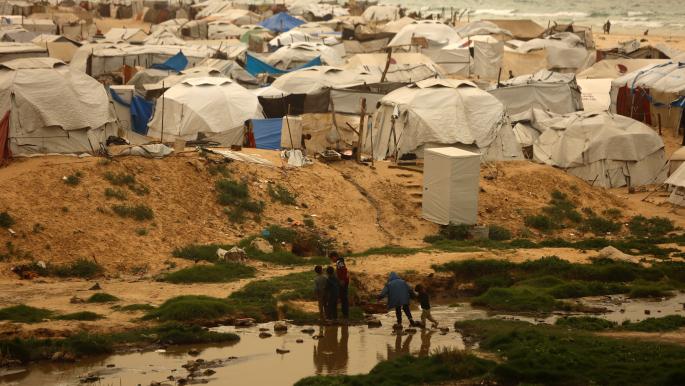
Historically, the Gaza Strip has witnessed numerous political and economic crises, with its residents living under a suffocating blockade for over 15 years. This blockade, imposed by Israel, has led to a deterioration in living conditions, with more than 50% of the population suffering from unemployment and around 80% living below the poverty line. In this context, the exploitation of natural gas becomes vital for improving living conditions.
Moreover, the geographical situation of the Gaza Strip, overlooking the Mediterranean Sea, gives it a strategic advantage in the energy sector. However, Israeli policies hinder any Palestinian efforts to capitalize on this advantage, further complicating the economic situation in the region.
Impact & Consequences
The failure to exploit gas in the Gaza Strip has far-reaching implications, not only economically but also politically. The continued Israeli control over Palestinian natural resources reflects the inability of Palestinians to achieve their economic sovereignty, negatively impacting peace efforts in the region.
Furthermore, the exploitation of gas could strengthen the Palestinian position in political negotiations, as it could become a source of revenue that enhances the Palestinian Authority's ability to achieve its objectives. Thus, any progress in this area could open new avenues for regional cooperation in the energy sector.
Regional Significance
The gas issue in the Gaza Strip is part of the broader conflict in the Middle East, where economic interests intertwine with political issues. The exploitation of gas could contribute to changing the dynamics of the conflict and enhancing stability in the region if handled fairly.
At the same time, the economic crises faced by other Arab countries make the exploitation of natural resources in Gaza a particularly important topic. It could serve as a model for how to manage natural resources in a way that achieves sustainable development.
In conclusion, the future of gas in the Gaza Strip hangs in the balance between hope and frustration, requiring strong political will and international cooperation to benefit from these resources. The exploitation of gas is not merely an economic issue; it is also a step towards achieving justice and dignity for the Palestinian people.