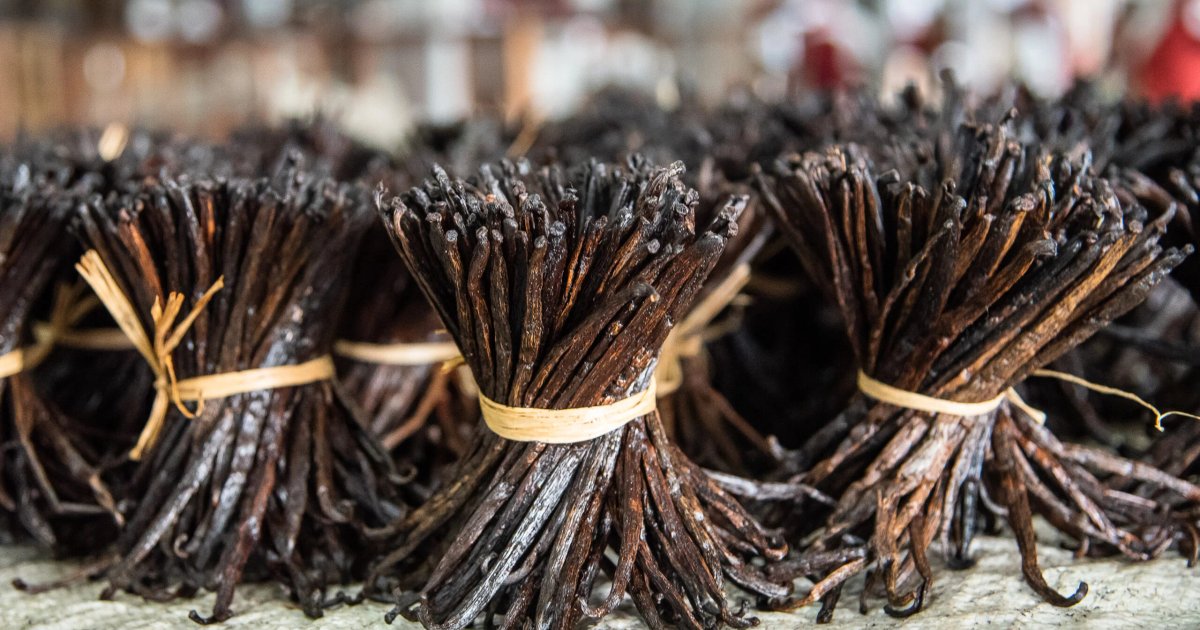
Vanilla is one of the most expensive spices in the world, witnessing a growing demand across various industries. This demand impacts its prices and raises questions about sustainability and production.
Vanilla is used in many food products, ranging from desserts to beverages, making it an essential ingredient in global cuisines. However, vanilla cultivation faces significant challenges, including climate change and pests, which affect production.
Event Details
Reports indicate that vanilla prices have risen significantly in recent years, exceeding $600 per kilogram in some markets. This increase is attributed to rising demand from food and beverage companies, along with weather fluctuations impacting crops in producing countries.
Madagascar, which produces about 80% of the world's vanilla, is the most affected by climate change. Storms and hurricanes have destroyed crops, increasing pressure on the market. Additionally, the economic and social conditions in the country also affect farmers' ability to meet the rising demand.
Background & Context
Historically, vanilla has been used as a fragrance and food ingredient for centuries. However, the increasing demand for natural and organic products has brought vanilla back into the spotlight. In recent years, consumers have begun to prefer natural vanilla over synthetic options, further intensifying production pressures.
Vanilla is also a symbol of luxury, used in high-end products such as chocolate and alcoholic beverages. This luxurious demand reflects changes in consumption patterns worldwide, as consumers seek unique flavor experiences.
Impact & Consequences
The rising prices of vanilla directly affect the food and beverage industry, forcing companies to reassess their pricing strategies. Some companies may resort to using cheaper alternatives, which could impact product quality.
Moreover, farmers in Madagascar face significant challenges in maintaining production due to harsh climatic conditions. This situation may lead to increased poverty in regions that rely on vanilla cultivation as a primary source of income.
Regional Significance
In the Arab region, rising vanilla prices may impact the confectionery and beverage industries, as vanilla is a key ingredient in many traditional dishes. Companies may need to adjust their recipes or seek alternatives, potentially affecting traditional flavors.
Increased awareness of sustainability may also drive some Arab companies to seek sustainable vanilla sources, contributing to supporting farmers in producing countries.
Vanilla is not just a spice; it is part of a complex global industry influenced by many factors. Understanding these dynamics can help consumers and companies make informed decisions in the future.