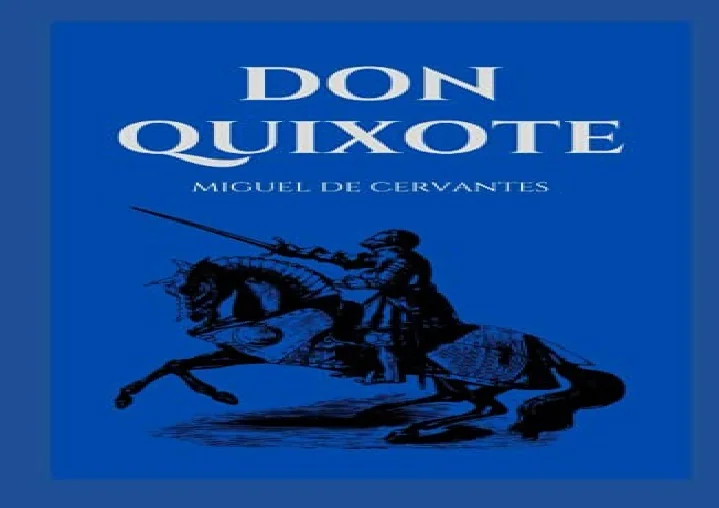
'Don Quixote de la Mancha', known among Arabs as 'Don Quixote', is considered the most famous literary work in the Spanish language. Its author, Miguel de Cervantes Saavedra (1547-1616), is regarded as the founder of the European novel, credited with innovating this literary genre and defining its essential components.
This exceptional work has been translated into many languages worldwide and has been reprinted several times throughout the ages, including in English, French, and Arabic, reaching over eighty languages. These renewed editions reflect a growing interest in exploring its meanings and multiple implications.
Event Details
Cervantes' output, particularly his famous novel, gained worldwide fame, making the date of his death on April 23, 1616 an occasion to celebrate World Spanish Language Day. Numerous studies have been dedicated by writers and critics to understanding 'The Tale of the Ingenious Gentleman', analyzing its significance, symbols, and literary, social, and historical manifestations.
The 'tale' of Don Quixote includes many implications related to Cervantes' autobiography, prompting researchers to study the key events of his life and his personal views. This text is more than just a fictional work; it is a vibrant encyclopedia encompassing diverse human knowledge and experiences, especially those related to history and its sciences.
Context and Background
'Don Quixote' has garnered significant attention from both Spanish and foreign historians, who consider it an important reference for monitoring the reality of Spanish society in the latter half of the 16th century. This novel is believed to be not just a literary production but an objective study of its time.
Studies aim to understand the multiple messages carried by 'Don Quixote', as the book contains expressions and ideas that may allow for more than one interpretation. Critics also seek to reimagine the true character of Cervantes through the testimonies and sayings attributed to him within the novel.
Implications and Influence
Modern studies are increasingly linking Cervantes to Arabic culture, as he speaks in his works about his years of captivity in Algeria and his relationship with the Moriscos who suffered persecution. However, studies connecting Cervantes' biography to the Andalusian Arab-Islamic legacy did not emerge until the early 20th century.
Some studies suggest that Cervantes' family may have had Muslim roots, forced to convert after the fall of Granada in 1492. His works, including 'Don Quixote', demonstrate his familiarity with and respect for Arabic culture, reflecting his empathy towards Arabs and Muslims.
Impact on the Arab Region
New studies highlight the importance of understanding Cervantes' cultural background and its impact on his works, as it is believed that his family migrated from Córdoba to Alcalá de Henares. It is also claimed that his first home was of Arabic architectural style, reflecting the cultural influences he experienced.
The hypothesis linking Cervantes to Arabic culture remains a controversial topic, as researchers strive to explore more evidence supporting this theory. Understanding this relationship could open new horizons for studying Spanish literature and the influence of Arabic culture on it.