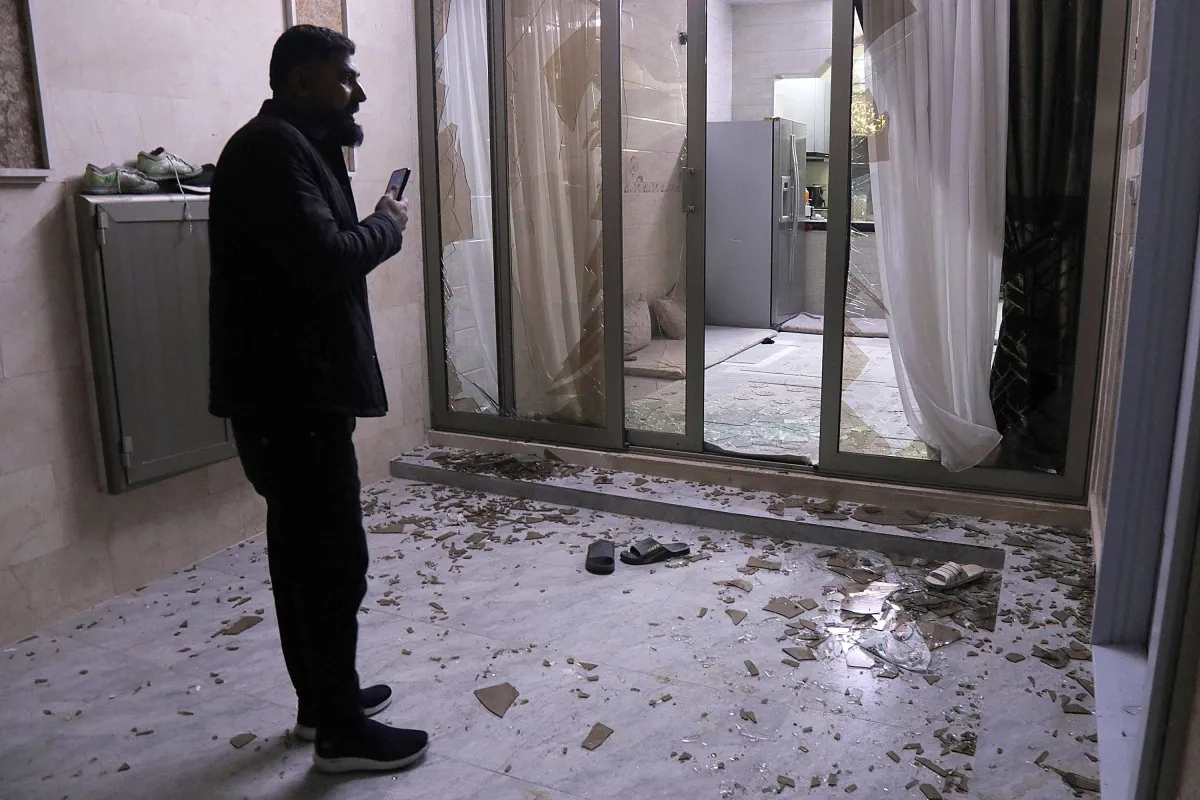
An explosion occurred this morning (Tuesday) near Erbil International Airport in the Kurdistan Region of Iraq, which hosts the international coalition forces fighting against the ISIS organization. A reporter from the French Press Agency reported that the explosion took place early today, causing panic among local residents.
Erbil is a vital center in northern Iraq, hosting a large U.S. consulate in addition to the presence of coalition forces. Since the beginning of the conflict in the region, Iraqi air defenses have been responding to a number of drones flying over the city, reflecting the increasing security tensions.
Details of the Incident
The explosion that occurred today comes at a sensitive time, as the region witnesses an escalation in attacks by Iranian-backed armed factions, which daily announce their targeting of sites they consider "enemy bases." This security escalation raises fears of a potential worsening of the situation in Iraq, especially amid the political and economic tensions the country is experiencing.
No additional details have been announced regarding the causes of the explosion or the resulting damages so far, but the incident highlights the security challenges facing Erbil, which has been one of the most stable areas in Iraq in recent years.
Background & Context
Since 2014, the international coalition led by the United States has launched military operations against the ISIS organization in Iraq and Syria, contributing to the recovery of control over many areas. However, armed groups, including those supported by Iran, continue to pose a threat to security in Iraq as they seek to expand their influence.
Historically, Erbil has witnessed many attacks, but its security situation has been relatively stable compared to the rest of Iraq. Nevertheless, the recent escalation in attacks reflects a deterioration in this stability, necessitating urgent steps to enhance security in the region.
Impact & Consequences
This explosion serves as a wake-up call for security agencies in Iraq, requiring the strengthening of security measures to protect vital facilities. Additionally, the continuation of attacks may negatively impact foreign investments and tourism in the region, which would reflect on the local economy.
Furthermore, the escalation of security tensions may lead to increased political divisions within Iraq, where opinions vary on how to deal with armed factions. This situation could hinder the Iraqi government's efforts to achieve stability and development.
Regional Significance
The events in Iraqi Kurdistan are part of a broader landscape of tensions in the region, where many Arab countries are suffering from internal conflicts and security challenges. The escalation of violence in Iraq could have negative repercussions on neighboring countries, especially amid the political and economic crises faced by nations like Syria and Lebanon.
Ultimately, hope remains pinned on the Iraqi government's ability to regain control over security conditions and achieve the stability needed by the Iraqi people. Strengthening cooperation with the international coalition may be an important step in this direction.