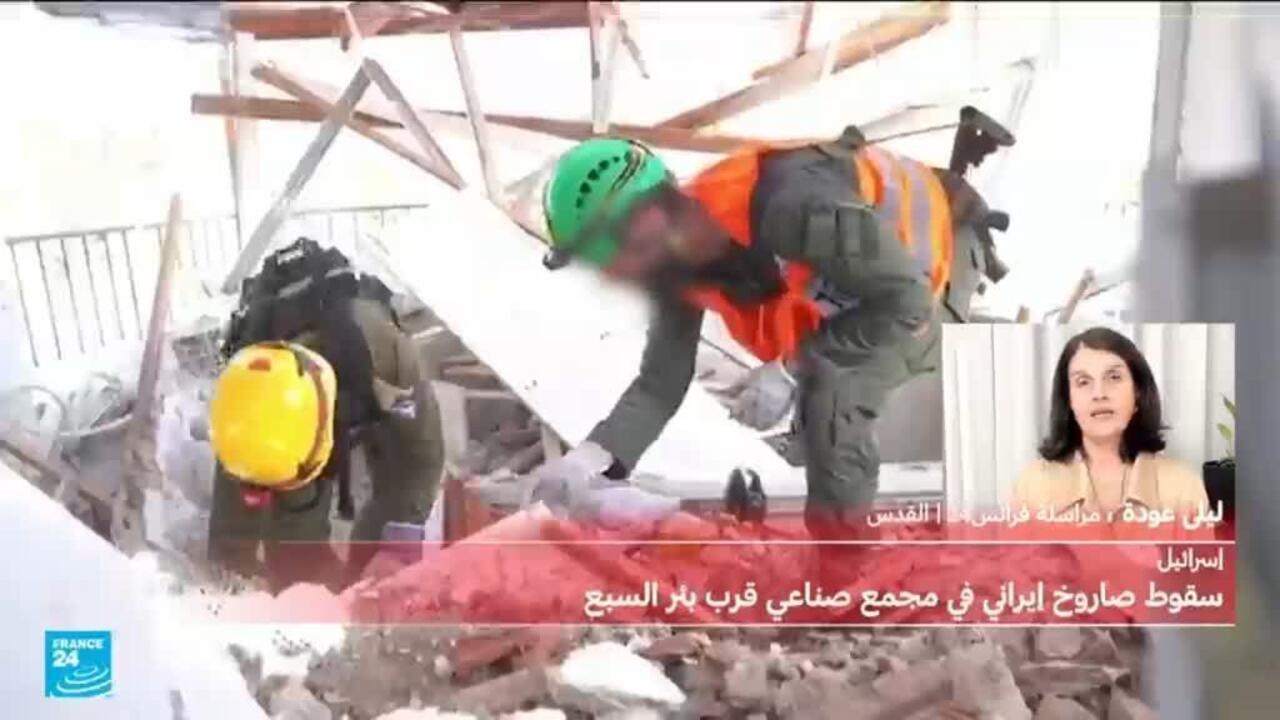
The Israeli army reported on Sunday that the explosion that occurred in the Ramat Hovav industrial area, located in the Negev Desert, may have been caused by rocket shrapnel. This comes shortly after a new missile launch was detected from Iran, escalating tensions in the region.
The Israeli army indicated that initial estimates suggest the presence of rocket shrapnel, which may reflect an escalation in Iranian military activities. Israeli media broadcast footage showing thick black smoke rising from the industrial area, raising concerns about safety in nearby regions.
Details of the Incident
The explosion took place in the Ramat Hovav area, which is considered one of the important industrial zones in Israel. Emergency teams were summoned to the site to control the situation, while the area was closed to traffic. The incident comes at a sensitive time, as relations between Israel and Iran are experiencing increased tensions, particularly amid mutual threats between the two sides.
Iran is considered one of Israel's main adversaries, and previous reports have indicated that Tehran has increased its support for armed groups in the region, heightening the risk of escalation. The recent explosion may be a direct result of these activities and reflects the ongoing tensions in the Middle East.
Background & Context
Historically, relations between Israel and Iran have seen significant escalation, especially since the United States withdrew from the Iranian nuclear deal in 2018. This withdrawal led to the re-imposition of economic sanctions on Iran, prompting it to bolster its nuclear program and increase its military activities in the region.
In recent years, Iran has launched several missiles toward targets in the region, prompting military responses from Israel. This dynamic creates an environment of instability, with growing fears of a comprehensive military conflict in the area.
Impact & Consequences
The explosion in Ramat Hovav could have significant implications for regional security. If it is confirmed that the incident was caused by Iranian rocket shrapnel, it could lead to an escalation of military responses from Israel, increasing the likelihood of a larger conflict.
This incident may also affect relations between Israel and Western countries, particularly amid growing pressures on Iran. Western nations may find themselves compelled to take a firmer stance against Iranian activities, complicating the situation in the region.
Regional Significance
The recent explosion demonstrates how tensions between Iran and Israel impact regional security, raising concerns in neighboring Arab countries. Many Arab nations are closely monitoring the situation, as any escalation could affect their stability and security.
At the same time, this incident may lead to enhanced security cooperation between Arab countries and Israel, particularly in the face of Iranian threats. Such cooperation could have far-reaching effects on regional relations.
In conclusion, the situation in the region remains tense, with increasing fears of military escalation that could have serious implications for regional and international security.