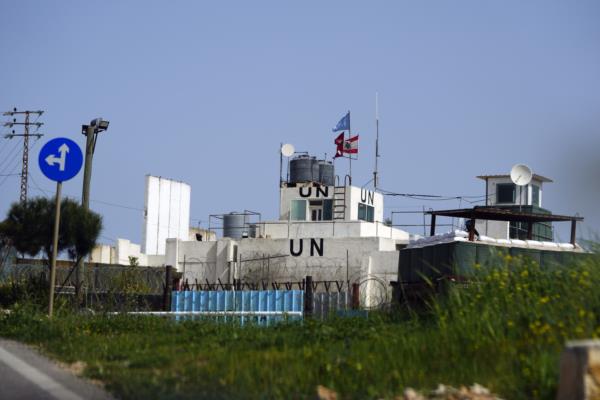
Three Indonesian soldiers from the United Nations Interim Force in Lebanon (UNIFIL) were injured due to an explosion at a UN facility near the town of Adaisseh on Friday, April 3. UNIFIL spokesperson Candice Ardil reported that the explosion resulted in two of the soldiers sustaining serious injuries, and they were taken to the hospital for treatment.
In her statements, Ardil confirmed that investigations are underway to determine the source of the explosion, noting that this week has been difficult for peacekeeping forces in the region. She expressed hope that all the injured would recover as soon as possible.
Details of the Incident
The explosion occurred late Friday afternoon, raising significant concerns about the safety of peacekeeping forces in Lebanon. This incident is part of a series of unfortunate events that have affected Indonesian forces in Lebanon, where the country lost three soldiers last week due to various attacks.
Soldier Farzal Ramdhan was killed due to artillery shelling near the Indonesian forces' site on March 29, and the following day, two other soldiers, Captain Zulmi Aditya Iskandar and Sergeant Muhammad Noor Eishwan, were killed during an attack on a convoy they were escorting. These events raise questions about safety and stability in the region.
Background & Context
Historically, Lebanon has witnessed numerous conflicts and struggles that led to the intervention of the United Nations in the country. UNIFIL was established in 1978 to maintain peace and security in the region following the Israeli-Lebanese conflict. Since then, these forces have faced significant challenges, including repeated attacks on their personnel.
Indonesia is one of the contributing countries to UNIFIL, playing an important role in peacekeeping efforts. However, the recurring losses among Indonesian soldiers raise concerns for the Indonesian government and people, necessitating a comprehensive review of the strategy for participation in this mission.
Impact & Consequences
These incidents highlight the urgent need to enhance security for peacekeeping forces, as the continuation of attacks could negatively impact the United Nations' ability to carry out its missions. Furthermore, these events may increase pressure on the governments contributing to the forces, prompting a reassessment of participation in such missions.
Moreover, the rising violence in Lebanon could affect regional stability, as any escalation in conflict may have repercussions for neighboring countries. The current situation requires a response from the international community to ensure the safety of international forces and assist in achieving stability in Lebanon.
Regional Significance
The events in Lebanon are part of a larger picture concerning security and stability in the Arab region. With increasing tensions in many countries, Lebanon remains a focal point that requires special attention from the international community. The stability of Lebanon directly affects neighboring countries and reflects the challenges faced by the region in confronting conflicts.
In conclusion, this incident underscores the importance of enhancing international efforts to protect peacekeeping forces and ensure regional stability. The international community must unite to address the security challenges threatening peace in Lebanon and neighboring countries.