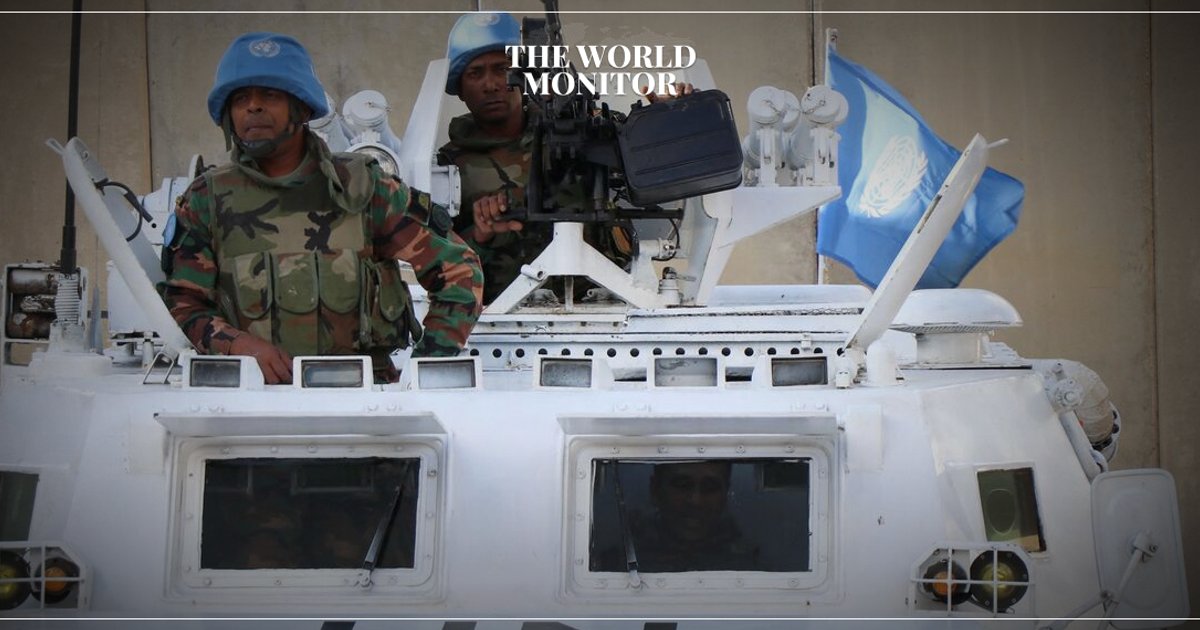
The United Nations Interim Force in Lebanon (UNIFIL) reported injuries among its personnel due to an explosion in southern Lebanon. The incident, which has not been precisely detailed yet, comes at a time when the region is experiencing increasing tensions, raising concerns about the safety of international forces.
According to initial reports, the explosion occurred in a security-sensitive area where UNIFIL troops are heavily deployed. No details have yet been released regarding the number of injured or the nature of their injuries, but sources indicate that the incident may have implications for the daily operations of international forces.
Details of the Incident
The explosion in southern Lebanon is considered a rare event targeting UNIFIL, which has been working to maintain peace in the region since 1978. This force is present in Lebanon under a United Nations Security Council resolution and plays a vital role in monitoring the border between Lebanon and Israel, in addition to providing humanitarian support to local populations.
So far, no group has claimed responsibility for the explosion, leaving room for speculation about the background of the incident. It is worth noting that the region has seen a rise in tensions among various factions in recent years, complicating the security situation.
Background & Context
UNIFIL was established following the Israeli invasion of Lebanon in 1978, with the aim of restoring security and stability in the area. Since then, the force has faced numerous challenges, including repeated attacks from armed groups. In recent years, pressure on UNIFIL has increased, as it faces criticism from some political factions in Lebanon, which believe that its presence has not achieved the desired goals.
These events coincide with escalating regional tensions, as Lebanon is significantly affected by surrounding crises, including the Syrian conflict and tensions between Iran and Israel. These factors complicate UNIFIL's mission and increase the risks it faces.
Impact & Consequences
The recent explosion may affect the daily operations of UNIFIL, as it may necessitate enhanced security measures and increased protection for its personnel. Additionally, this incident could amplify the criticisms directed at UNIFIL, potentially leading to new political pressures to reassess its presence in Lebanon.
On a humanitarian level, escalating tensions in the region could exacerbate the living conditions of local populations, who rely on the support provided by UNIFIL. Any deterioration in the security situation could hinder relief efforts and increase the suffering of civilians.
Regional Significance
Events in Lebanon are part of a larger picture concerning security and stability in the Middle East. The recent explosion illustrates how local crises can affect regional dynamics, underscoring the need for comprehensive diplomatic solutions.
In light of the tense conditions, this incident could have repercussions on relations between Lebanon and neighboring countries, including Israel. Any escalation of violence could plunge the region back into a cycle of conflict, threatening regional stability.
In conclusion, the situation in southern Lebanon remains under observation, as the international community looks forward to learning more details about the incident and its potential impacts. Maintaining peace in this sensitive area requires ongoing efforts from all concerned parties.