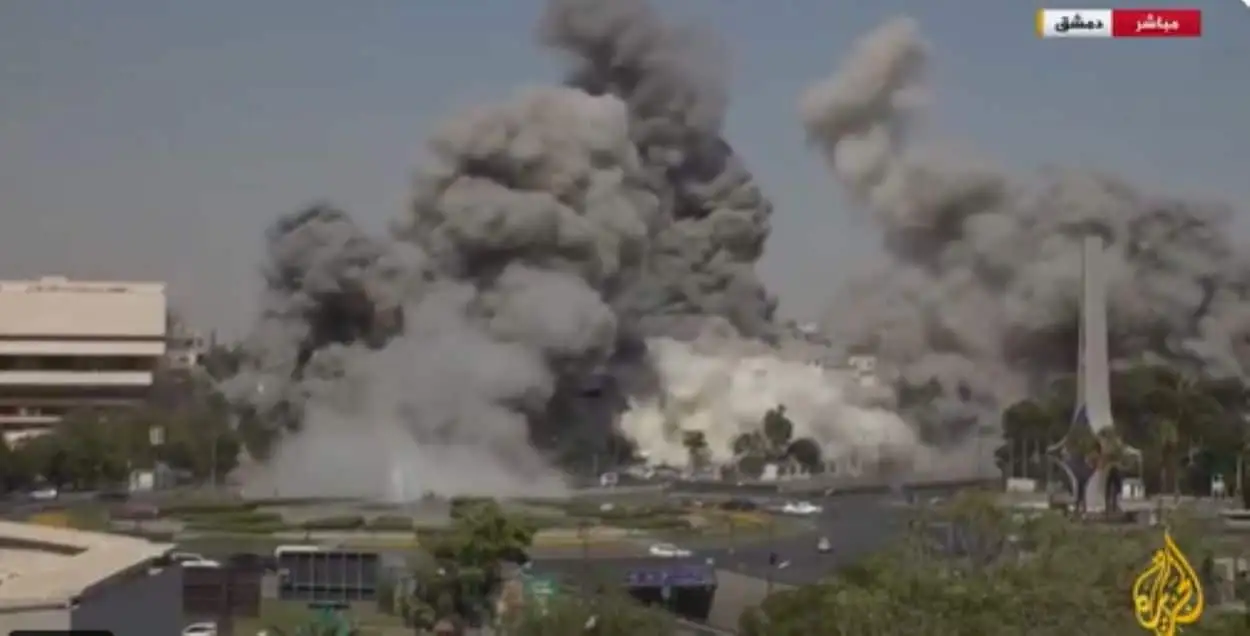
Two explosions were heard in the Syrian capital, Damascus, raising concerns among residents and escalating tensions in the city. The incident occurred late last night, with local sources reporting the sounds of explosions in several areas of the city, although precise details regarding their causes or the resulting damage have not yet been clarified.
These explosions come at a time when Syria is experiencing increasing tensions, particularly in the capital, which serves as a hub for numerous political and military events. Reports suggest that the explosions may be linked to ongoing military operations in the surrounding areas, yet authorities have not yet issued any official statement clarifying the circumstances of the incident.
Details of the Incident
According to eyewitness accounts, the sounds of the two explosions were heard in close succession, causing residents to feel anxious and fearful. Some preliminary reports indicate that the explosions could be the result of shelling or attacks, but this has not been confirmed by official sources.
In light of the tense security situation, this incident serves as yet another reminder of the challenges facing Damascus, a city that has been suffering from the effects of ongoing conflict for over a decade. Following the explosions, several main streets were closed, further increasing chaos and confusion among citizens.
Background & Context
Historically, Damascus has witnessed numerous tragic events as a result of the ongoing conflict, which has led to the destruction of large parts of the city. Since the onset of the civil war in 2011, Damascus has transformed into a battleground among various armed factions, adversely affecting the daily lives of its residents.
Although the Syrian government has regained control over most areas in Damascus, the city still suffers from insecurity, with attacks and military operations continuing in the surrounding regions. This situation complicates reconstruction efforts and directly impacts the lives of citizens.
Impact & Consequences
The recent explosions may lead to heightened tensions in the city, which could negatively affect the security and economic situation. If reports confirming the explosions as a result of attacks are validated, this may provoke reactions from the Syrian government, further escalating the conflict.
Moreover, these incidents could impact the movement of displaced persons and refugees, as some may choose to leave the city in search of greater safety. This could increase the burdens on neighboring countries hosting Syrian refugees, exacerbating the humanitarian crisis in the region.
Regional Significance
The events in Damascus serve as an indicator of the overall security situation in the region, reflecting the ongoing conflict in Syria and its impact on neighboring countries. These events may lead to increased tensions in relations between Arab states, especially given the existing political divisions.
Furthermore, the continuation of crises in Syria could affect peace and stability efforts in the region, necessitating intensified international efforts to resolve the conflict and achieve lasting peace.
In conclusion, the situation in Damascus remains under observation, as citizens await further information regarding the causes and consequences of the explosions. The stability of the Syrian capital is vital for achieving peace in the country and reflects the significant challenges Syria currently faces.