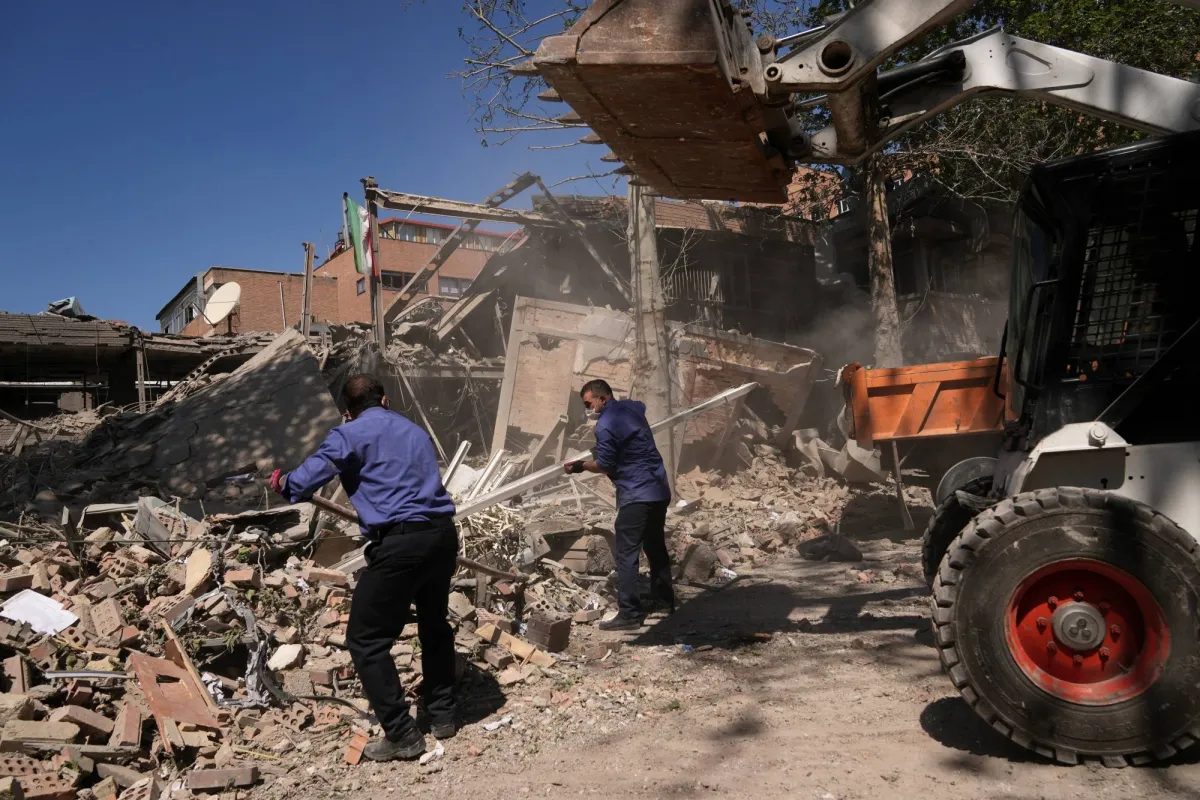
On Monday, Iran experienced a series of explosions at the South Pars petrochemical complex in Assaluyeh, according to reports from the Fars News Agency. This incident comes at a time of heightened military tensions in the country, as an airstrike in the city of Qom resulted in the deaths of at least five individuals.
Earlier in the day, loud explosions were heard in the capital, Tehran, where airstrikes targeted unspecified locations. The sounds of fighter jets flying at low altitudes heightened concerns among the residents.
Details of the Incident
Reports indicate that the explosions in Assaluyeh were powerful, raising questions about the nature of the attack. On the other hand, the state-run Iran Daily reported that the airstrike in Qom resulted in numerous injuries, although the total number of casualties has not been confirmed.
In a separate incident, Israeli media reported that two individuals were killed in Haifa due to an Iranian missile striking a residential building. This incident led to partial collapse of the building, raising fears that people might be trapped under the rubble.
Background & Context
These events occur amidst rising tensions between Iran and the United States and Israel, as Tehran announced its readiness to impose a new navigation system through the Strait of Hormuz. The Iranian Revolutionary Guard confirmed that it is completing preparations for new plans after maritime traffic was nearly completely shut down.
Historically, the Strait of Hormuz is a vital point for oil and gas transportation, with approximately 20% of global shipments passing through it. The region has witnessed increasing tensions since the outbreak of war between Iran and the United States last February.
Impact & Consequences
These events underscore the intensifying conflict in the region, as Iran seeks to bolster its military capabilities in the face of external pressures. The repeated airstrikes indicate a military strategy aimed at undermining Iranian infrastructure.
Israeli Defense Minister Israel Katz announced the death of the head of the Iranian Revolutionary Guard's intelligence service, reflecting the ongoing Israeli military operations against Iranian targets. Katz confirmed that Israel will continue to pursue Iranian leaders, further escalating the conflict in the region.
Regional Significance
Arab countries are significantly affected by the increasing tensions in Iran, as the stability of the region is closely linked to events there. These escalations could lead to heightened tensions between Arab nations and Iran, negatively impacting regional security.
Moreover, the continued closure of the Strait of Hormuz may affect global oil prices, which could adversely impact Arab economies reliant on oil. It is crucial for Arab nations to closely monitor the situation and prepare to address any potential repercussions.
In conclusion, these events represent a sign of escalating tensions in the Middle East, necessitating a response from the international community to ensure regional stability.