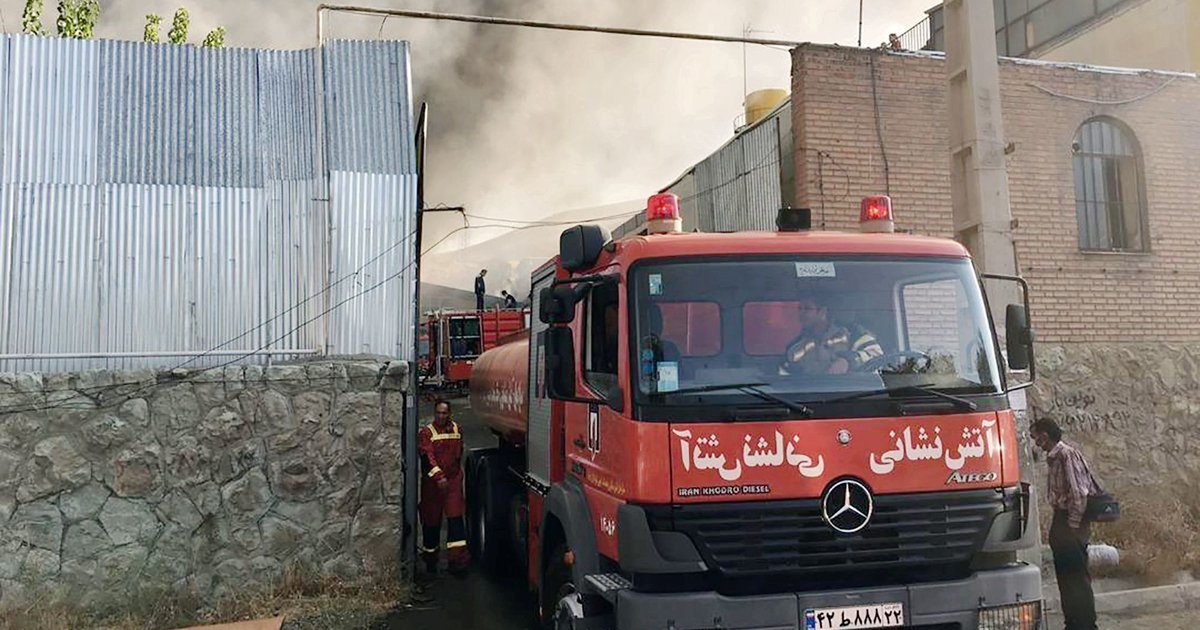
Companies providing electricity, water, and oxygen to the Assaluyeh petrochemical complex were attacked, according to Iranian media reports on Monday. Despite the attack, reports confirmed that the complex itself was not affected, raising questions about the nature of the attack and its impact on production operations.
In a related context, Israeli Defense Minister Israel Katz announced the bombing of Iran's largest petrochemical facility, reflecting escalating tensions between Iran and Israel. This attack comes at a sensitive time, as the region is witnessing increasing tensions over nuclear and political issues.
Details of the Incident
The attack on service companies at the Assaluyeh complex is considered part of a series of attacks targeting vital installations in Iran. The complex, which is one of the largest petrochemical facilities in the country, plays a crucial role in the Iranian economy, producing a wide range of chemical products.
Concerns are growing that these attacks may lead to a reduction in petrochemical production in Iran, potentially affecting the country's oil and gas exports. Reports have indicated that the attack did not impact operations within the complex, but political tensions could affect the overall stability of the region.
Background & Context
Historically, relations between Iran and Israel have been marked by increasing tensions, especially regarding the Iranian nuclear program. Israel views Iran as an existential threat and has conducted several military operations against Iranian targets in the past. These attacks highlight how the regional conflict remains ongoing, with rising tensions among major powers in the area.
In recent years, Iran has enhanced its military capabilities, making it a target for Israeli military operations. Additionally, tensions between the two countries could lead to further escalation in the conflict, negatively impacting regional security.
Impact & Consequences
Attacks on vital installations in Iran could provoke military responses from Tehran, potentially escalating the conflict in the region. These events may also affect global oil markets, as Iran is one of the largest producers in the area.
Such tensions are likely to lead to an increase in oil prices in global markets, impacting the world economy. Furthermore, any military escalation could result in significant humanitarian consequences, especially in conflict-affected areas.
Regional Significance
The events in Iran are of significant importance to Arab countries, as any military escalation could affect stability in the region. Neighboring Arab nations may find themselves in a sensitive position, as they could be impacted by ongoing events in Iran.
Moreover, any rise in oil prices resulting from these tensions could affect Arab economies, which heavily rely on oil revenues. Therefore, closely monitoring these events is essential for understanding regional dynamics.
In conclusion, the events in Iran remain a focal point of interest, as increasing tensions could lead to widespread repercussions on security and stability in the region. It is crucial to follow developments closely to understand the political and economic dimensions of these events.