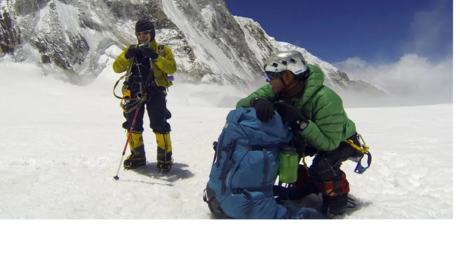
Recent reports have unveiled a shocking scandal involving guides on Mount Everest, who have been accused of poisoning foreign climbers to force them into costly air evacuations without necessity. These disgraceful practices, reported by the Independent, raise significant concerns about the safety of climbers in one of the most perilous mountain areas in the world.
This scandal includes allegations that some guides have used toxic substances to diminish climbers' endurance, leading to emergencies that necessitate their air evacuation. Consequently, the guides can reap substantial profits from the evacuation costs, which can reach tens of thousands of dollars.
Details of the Incident
Concerns about the safety of climbers on Mount Everest are escalating, as this mountain is a popular destination for adventure enthusiasts. However, the increasing number of accidents and fatalities in recent years has raised questions about the ethical practices of the guides. According to reports, some guides may exploit the vulnerabilities of climbers, especially those lacking sufficient experience, to achieve illicit financial gains.
Reports indicate that these practices are not new, as similar cases have been documented in the past, but this time, evidence appears to be mounting significantly. Investigations have shown that some guides have poisoned climbers using unknown chemicals, rendering them incapable of continuing their ascent.
Background & Context
Mount Everest, located in Nepal, is the highest peak in the world, attracting thousands of climbers from around the globe each year. With the increasing number of climbers, concerns about their safety have also risen. In recent years, the mountain has witnessed a rise in the number of incidents, prompting calls for improved regulation of climbing operations and enhanced safety standards.
Nepal is one of the countries that heavily relies on tourism, particularly mountain tourism. However, the current scandal could negatively impact the country's reputation, potentially leading to a decline in the number of tourists wishing to climb Everest.
Impact & Consequences
This scandal could have serious repercussions for the tourism industry in Nepal. If these allegations are proven true, the Nepalese government may take stringent actions against the involved guides, which could affect the country's reputation as a safe tourist destination. This may also increase pressure on authorities to enhance the regulation of climbing operations and bolster safety standards.
Moreover, this scandal could lead to a loss of trust between climbers and their guides, which may impact the mountain tourism industry as a whole. If these practices continue, many climbers may avoid visiting Everest, adversely affecting the local economy.
Regional Significance
This scandal serves as a warning to Arab countries seeking to develop mountain tourism. These nations must consider the importance of enhancing safety standards and transparency in the tourism industry to ensure the safety of visitors and build a strong reputation in the global tourism market.
In conclusion, this scandal represents a call to reflect on how to protect climbers and ensure their safety in hazardous environments like Mount Everest. There must be stringent measures in place to prevent such incidents from recurring in the future.