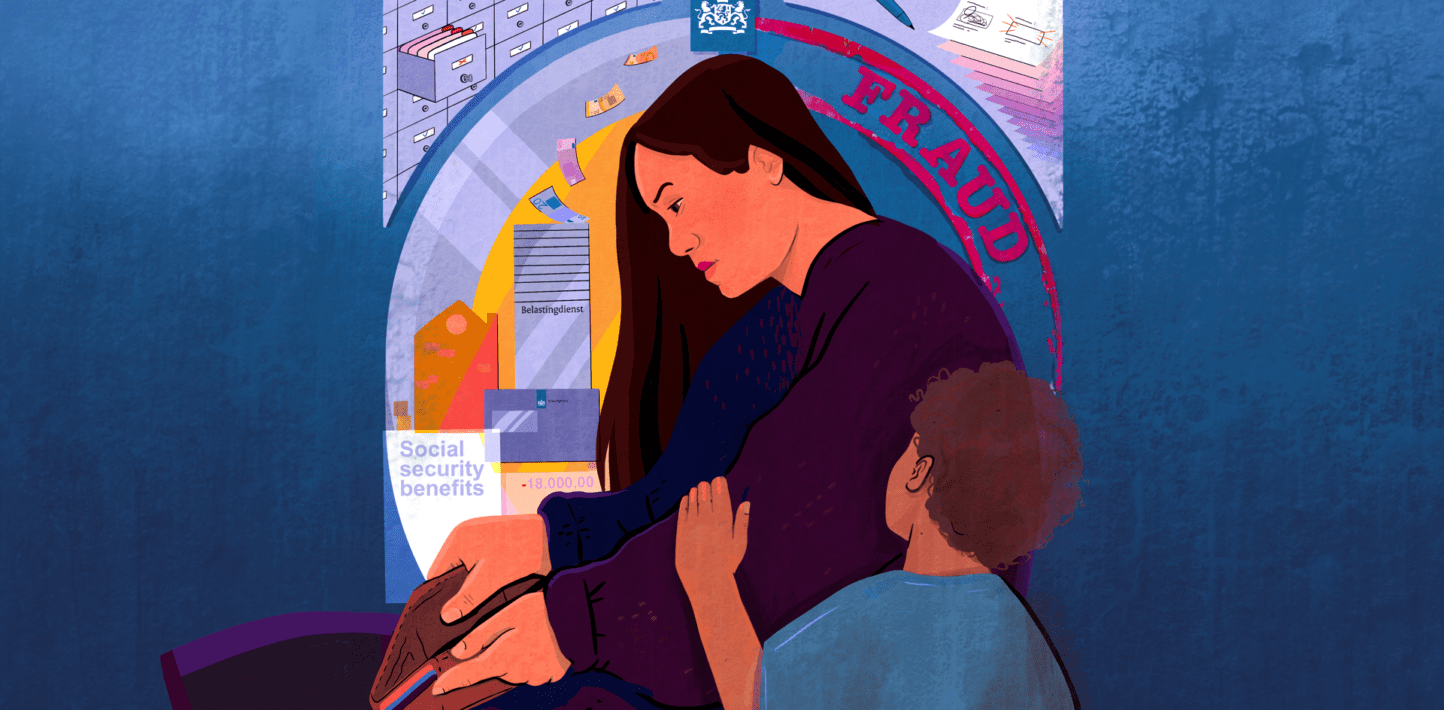
Reports reveal illegal practices involving bribery of child protection service workers in the United States, raising questions about the integrity of the system. This issue highlights significant challenges families face in dealing with protection cases.
Concerns are growing that these practices could lead to widespread corruption within the child protection system, as vulnerable families are exploited by workers who are supposed to protect children. Investigations have shown that some individuals are attempting to bribe service workers to dismiss child protection cases, threatening children's safety and reflecting the system's failure to achieve justice.
Details of the Incident
Reports indicate that some families resort to bribing child protection service workers in an attempt to resolve cases against them. These practices include offering monetary sums or gifts, raising community concerns about how these cases are managed. Multiple instances have been reported across several states, necessitating urgent intervention from the relevant authorities.
These cases involve parents facing allegations of abuse or neglect, with some seeking ways to eliminate these accusations by any means possible. Investigations reveal that some employees may be complicit in these practices, complicating the situation further.
Background & Context
Child protection services in the United States were established to shield children from neglect and abuse. However, the system faces significant challenges, including a lack of resources and adequately trained staff. These conditions contribute to the proliferation of corruption, as some individuals seek to exploit the system for personal gain.
Historically, there have been numerous scandals related to child protection services, leading to calls for reform. However, this recent case underscores the urgent need to reconsider how these services are managed and to ensure their integrity.
Impact & Consequences
If these practices continue, they could lead to a loss of trust in the child protection system, negatively impacting children and families in need of support. Such scandals may increase pressure on the government to implement comprehensive reforms within the system, including improving training and oversight for employees.
This issue may also pave the way for further investigations into how protection cases are managed, potentially leading to changes in policies and procedures. It is crucial that these matters are addressed seriously to ensure the protection of children and to prevent the system from being exploited by irresponsible individuals.
Regional Significance
This issue holds particular importance for the Arab region, where many countries face similar challenges in child protection. These scandals could serve as a warning to Arab nations about the importance of enhancing the integrity of child protection systems and providing necessary support to families.
Moreover, this case highlights the need for effective mechanisms to monitor child protection services, which could help prevent such practices in the future. Strengthening transparency and accountability within these systems is vital to ensure the protection of children and uphold their rights.
In conclusion, relevant authorities must take urgent steps to address these issues and ensure they do not recur. Protecting children is a collective responsibility that requires commitment from all stakeholders involved.