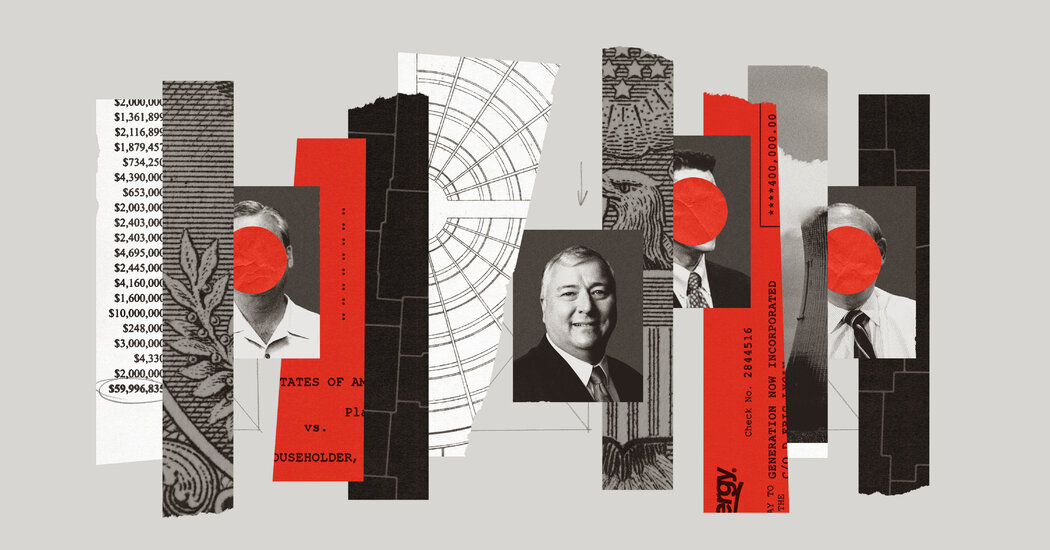
MAKEMUR.com has unveiled controversial plans to pay a police officer in exchange for not attending court. This action raises numerous questions about the integrity of the judicial system and the extent to which money can influence justice. Amid growing fears of corruption in legal institutions, this case may open the door to broader discussions about transparency and accountability.
This unprecedented move seeks to offer unconventional "legal solutions," causing alarm among lawyers and lawmakers alike. Using money as a means to influence the course of justice is a blatant violation of laws and professional ethics.
Details of the Incident
According to reports, the website aims to pay a specific police officer, which implies the possibility of delaying or even dismissing certain cases against individuals. This raises questions about the extent to which money can influence officers' decisions and their adherence to the law. While citizens look to the justice system for fairness, such practices may undermine trust in the judicial system.
This news comes at a sensitive time, with increasing calls for legal reforms in many countries. Experts indicate that such practices could lead to rampant corruption in legal institutions, making it difficult for citizens to secure their rights.
Background & Context
Historically, many countries have witnessed similar cases where money was used to influence the course of justice. At times, these practices have led to major legal scandals, prompting governments to take stringent measures against corruption. However, significant challenges still face legal systems in addressing these phenomena.
In recent years, concerns about corruption in legal institutions have escalated, with numerous studies showing a close relationship between poverty and corruption. Citizens strive to obtain their rights, but they often encounter significant obstacles due to pervasive corruption.
Impact & Consequences
If these practices continue, they may lead to even greater corruption within the legal system. Citizens may feel frustrated by their inability to achieve justice, which could erode trust in legal institutions. Ultimately, these phenomena may impact social and political stability in many countries.
Moreover, this case could lead to greater calls for legal reforms, as citizens seek to protect their rights and ensure the integrity of the judicial system. It is crucial for governments to take effective steps to combat corruption and promote transparency within legal institutions.
Regional Significance
In the Arab region, issues of corruption within the judicial system are among the most significant challenges facing many countries. Some nations suffer from a lack of trust in legal institutions, leading to rampant corruption. If effective measures are not taken to combat these phenomena, conditions may worsen, negatively impacting political and social stability.
Enhancing transparency and accountability in legal institutions is vital to ensuring citizens' rights. There must be joint efforts from governments and civil society to combat corruption and promote justice.
The issue of paying money to a police officer to avoid court attendance opens the door to discussions about corruption in legal systems. It is essential for governments to take effective steps to ensure the integrity of the judicial system and restore citizens' trust in legal institutions.