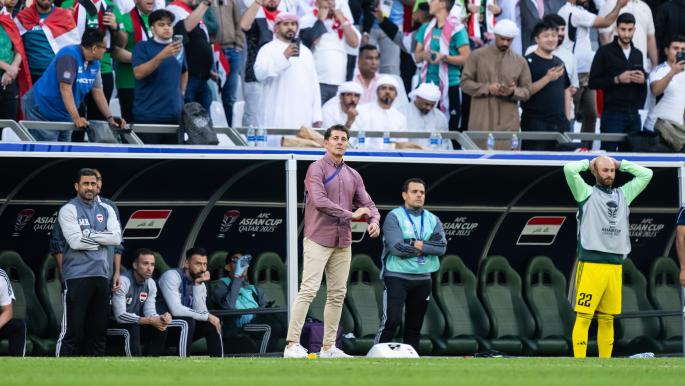
Spanish coach Jesus Casas, who led the Iraq national football team, expressed his regret over not completing his mission with the team. In his statements, Casas noted that working in Iraq was a unique experience, as football is an integral part of national identity.
Casas took charge of the Iraq national team during a critical period, aiming to achieve positive results that reflect the aspirations of Iraqi fans. He faced numerous challenges during his coaching tenure, including the political and social conditions affecting sports in the country.
Details of the Experience
During his talk, Casas emphasized the importance of football in Iraq, pointing out that fans experience moments of joy and sorrow with every match. He explained that working with the players was filled with challenges, but it was also an exciting experience full of lessons. Casas, who has extensive coaching experience, expressed admiration for the talent of Iraqi players, considering them among the best in the region.
He also noted that fan support was a significant factor in motivating the team, as he witnessed unprecedented enthusiasm from the supporters. Despite the challenges, Casas hoped to achieve accomplishments worthy of the history of Iraqi football.
Background & Context
The history of football in Iraq spans decades, with the national team achieving numerous milestones, most notably winning the Asian Cup in 2007. However, the challenges facing sports in the country are not new, as Iraqi football has been affected by the political and economic conflicts the country has experienced over the years.
Casas's experience is not the first of its kind, as Iraqi football has seen many foreign coaches attempting to leave their mark. However, the surrounding circumstances often pose obstacles to achieving desired goals.
Impact & Consequences
Casas's inability to complete his mission may affect the national team's trajectory in the upcoming period, as the team needs stability in leadership to achieve success. This situation could also impact the players' morale, who may feel instability due to the frequent changes in the coaching staff.
On the other hand, this experience may open the door for other coaches to take on the role, potentially leading to changes in playing style and tactics. Given the intense competition in the region, any change could affect the team's results in the upcoming qualifiers.
Regional Significance
Casas's experience with the Iraq national team exemplifies the challenges facing sports in many Arab countries. While some nations strive to develop their sports, others face significant difficulties due to political and social conditions.
Football in the Arab world embodies more than just a sport; it is a means of expressing identity and belonging. Therefore, any successful coaching experience could inspire other countries in the region to adopt new strategies in developing their sports.
In conclusion, Casas's experience with the Iraq national team serves as an important lesson about the significance of stability and planning in the world of football. Despite the regret felt by the coach, hope remains for future achievements for Iraqi football.