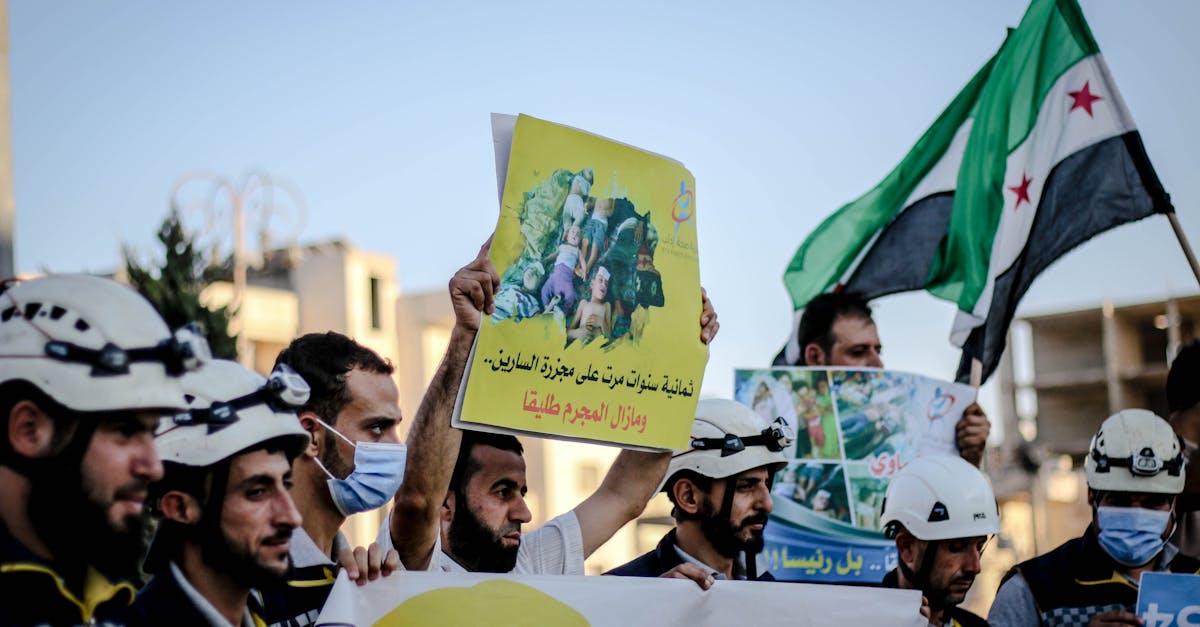
Syrian activist Ma'an Abdul Haq, who was recently released, voiced his strong feelings towards the Syrian regime, stating that he hates President Bashar al-Assad. In his statements, Abdul Haq indicated that he would vote for Farouk al-Sharaa, the former Vice President, in the upcoming elections.
These remarks come amid a tense political atmosphere in Syria, where the regime is trying to assert its authority in the face of internal and external challenges. Abdul Haq's statements have elicited mixed reactions from supporters and opponents of the regime, reflecting the deep divisions within Syrian society.
Details of the Event
Ma'an Abdul Haq is a prominent figure in the Syrian opposition and was detained for a long period due to his political activism. After his release, he made strong statements that reflect his sentiments towards the current regime. He confirmed that he would vote for al-Sharaa, who is seen as a symbol of the opposition in some circles, indicating a desire for change among many Syrians.
The upcoming elections are taking place at a sensitive time, as the Syrian regime seeks to reaffirm its authority after years of conflict. However, Abdul Haq's statements suggest that there are still opposing voices present, which could impact the election results.
Background & Context
Historically, Syria has experienced numerous political and social crises, with popular protests in 2011 leading to the outbreak of the ongoing conflict. Since then, the country has been divided into various areas of control, making it difficult to achieve political stability.
In recent years, the Syrian regime has attempted to rebuild itself through elections, yet many Syrians still feel distrustful of the political process. Abdul Haq's statements reflect these sentiments, as many believe that the elections are neither free nor fair.
Impact & Consequences
Abdul Haq's statements could influence the political landscape in Syria, reflecting a desire for change among many Syrians. If these opposing voices continue to emerge, it may increase pressure on the regime to implement genuine reforms.
Moreover, these remarks could provoke reactions from the regime, which may seek to suppress any opposition that arises in the coming period. This could lead to heightened tensions in the country, complicating the security situation further.
Regional Significance
Syria is a focal point in the regional conflict, with events there impacting many neighboring countries. Abdul Haq's statements may also reflect similar sentiments in other countries suffering under repressive regimes.
If opposing voices continue to surface in Syria, it could encourage similar movements in other nations, potentially leading to political changes in the region. This could have far-reaching implications for regional stability.
In conclusion, Ma'an Abdul Haq's statements highlight the political divisions in Syria, indicating that the path to stability remains long and challenging.