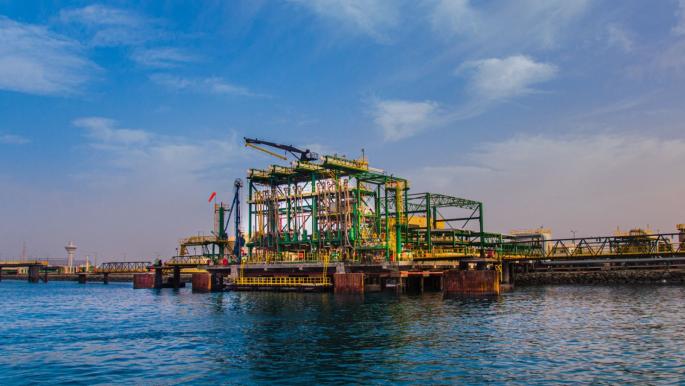
Saudi Ports has announced a 20-day extension of the exemption for both exported packed containers and incoming empty containers at King Fahd Industrial Port in Yanbu. This step is part of the Kingdom's efforts to enhance exports and support supply chains, especially in light of global economic challenges.
Through this decision, Saudi Arabia aims to improve the business environment and enhance the competitiveness of national products in global markets. King Fahd Industrial Port in Yanbu is considered one of the vital ports in the Kingdom, playing an important role in facilitating trade and maritime transport.
Details of the Extension
The new exemption period extends until the end of this month, providing an opportunity for exporters to reduce shipping-related costs. The exemption covers packed containers that are exported, as well as empty containers arriving at the port. This measure aims to encourage more companies to export their products, contributing to the enhancement of the national economy.
This step is part of a broader strategy aimed at improving the business environment in the Kingdom, as the government seeks to attract foreign investments and enhance non-oil exports. These initiatives are expected to contribute to achieving the Kingdom's Vision 2030, which aims to diversify the economy and reduce dependence on oil.
Context and Background
This initiative comes at a time when the world is facing significant economic challenges due to the repercussions of the COVID-19 pandemic and the war in Ukraine. Global supply chains are under increasing pressure, affecting trade movement. Therefore, Saudi Arabia is taking proactive steps to support its exports and enhance its position as a regional trade hub.
Historically, Saudi Arabia has relied heavily on oil exports, but with the shift towards diversifying the economy, non-oil exports have become a top priority. By improving port infrastructure and providing incentives for exporters, the Kingdom hopes to increase the volume of its exports and enhance its competitiveness in global markets.
Implications and Effects
The extension of the exemption is expected to contribute to an increase in Saudi exports, enhancing the ability of local companies to compete in international markets. Additionally, this decision may encourage more companies to invest in the export sector, contributing to the creation of new job opportunities and economic growth.
Furthermore, improving supply chains can lead to reduced operational costs for companies, enhancing their ability to offer products at competitive prices. This, in turn, may contribute to increased demand for Saudi products in foreign markets.
Impact on the Arab Region
This step serves as a model for other Arab countries seeking to enhance their exports and improve their business environments. Given the economic challenges faced by many Arab nations, such initiatives can be an effective solution for boosting economic growth.
Moreover, enhancing Saudi exports may contribute to improving trade relations with neighboring countries, strengthening regional economic cooperation. Ultimately, the success of this initiative could encourage other nations to take similar steps to support their economies.