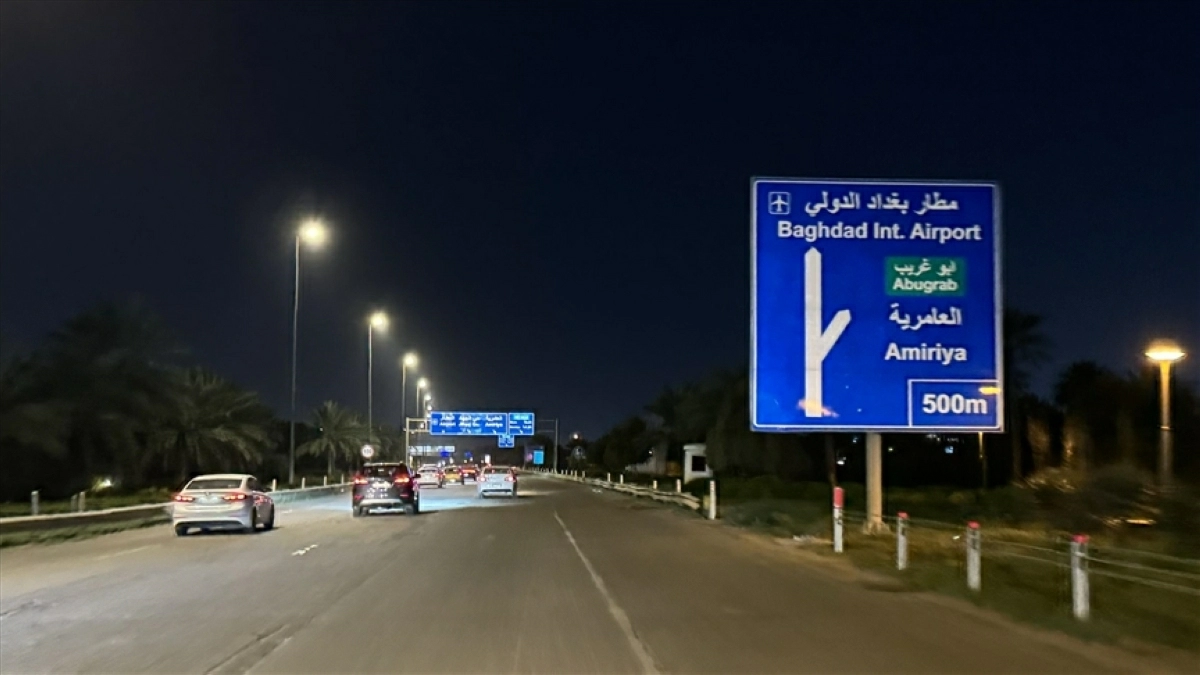
The Iraqi Civil Aviation Authority announced on Saturday the extension of the closure of Iraqi airspace to all incoming and outgoing flights and the transit of aircraft for an additional 72 hours. This decision will take effect from 12:00 PM local time (09:00 GMT) and will last until 12:00 PM on Tuesday. This decision was made as a precautionary measure in light of ongoing assessments of the security situation and regional developments.
The authority confirmed that it would review this decision based on security updates, and that airlines and relevant parties would be notified of any updates regarding this matter. This extension comes after 29 days since the initial closure of Iraqi airspace on February 28, following escalating tensions due to the ongoing conflict between Israel, the United States, and Iran.
Details of the Event
This step is part of a series of measures taken by the Iraqi government to ensure the safety of airspace and citizens amid deteriorating security conditions. The closure of Iraqi airspace was initially a response to rising tensions in the region, which significantly affected air traffic.
The Civil Aviation Authority explained that this decision is part of periodic assessments of the security situation, where necessary measures are taken to protect travelers and aircraft. Airlines have been informed of the need to comply with this decision, which affects many flights scheduled during this period.
Background & Context
Historically, Iraq has witnessed numerous security crises that have impacted air traffic, especially amid regional conflicts. Since the onset of the Israeli-American-Iranian conflict, the country has seen a rise in tensions, prompting the Iraqi government to take precautionary measures to protect airspace and citizens.
In recent years, concerns have grown over escalating conflicts in the region, with Iraqi airspace becoming a theater for multiple tensions. These conditions have led the Iraqi government to take serious steps to ensure flight safety, including closing airspace during times of crisis.
Impact & Consequences
The extension of the closure of Iraqi airspace significantly impacts air traffic in the region, causing delays and cancellations of many flights. This directly affects travelers and companies that rely on air transport.
Moreover, this decision reflects a state of instability in the region, which may impact tourism and trade between Iraq and neighboring countries. Under these circumstances, some companies may seek alternatives for transporting goods and passengers, increasing the economic challenges facing the country.
Regional Significance
The repercussions of the closure of Iraqi airspace extend beyond the country's borders, affecting air traffic in the Arab region as a whole. Many neighboring countries may be indirectly affected, complicating the regional situation.
As tensions escalate, some countries may take similar measures, leading to restrictions on air traffic in the region. This could impact the regional economy and increase the challenges faced by Arab countries under the current circumstances.
In conclusion, the security situation in Iraq remains a major concern, requiring ongoing monitoring and periodic assessments to ensure the safety of airspace and citizens. The continued closure of airspace reflects the significant challenges faced by the Iraqi government amid increasing regional crises.