The United States has officially extended the classification of temporary protection status for Lebanon until November 27, 2026, according to a notice published in the federal register. This move occurs during a sensitive period marked by increasing military escalation in the region.
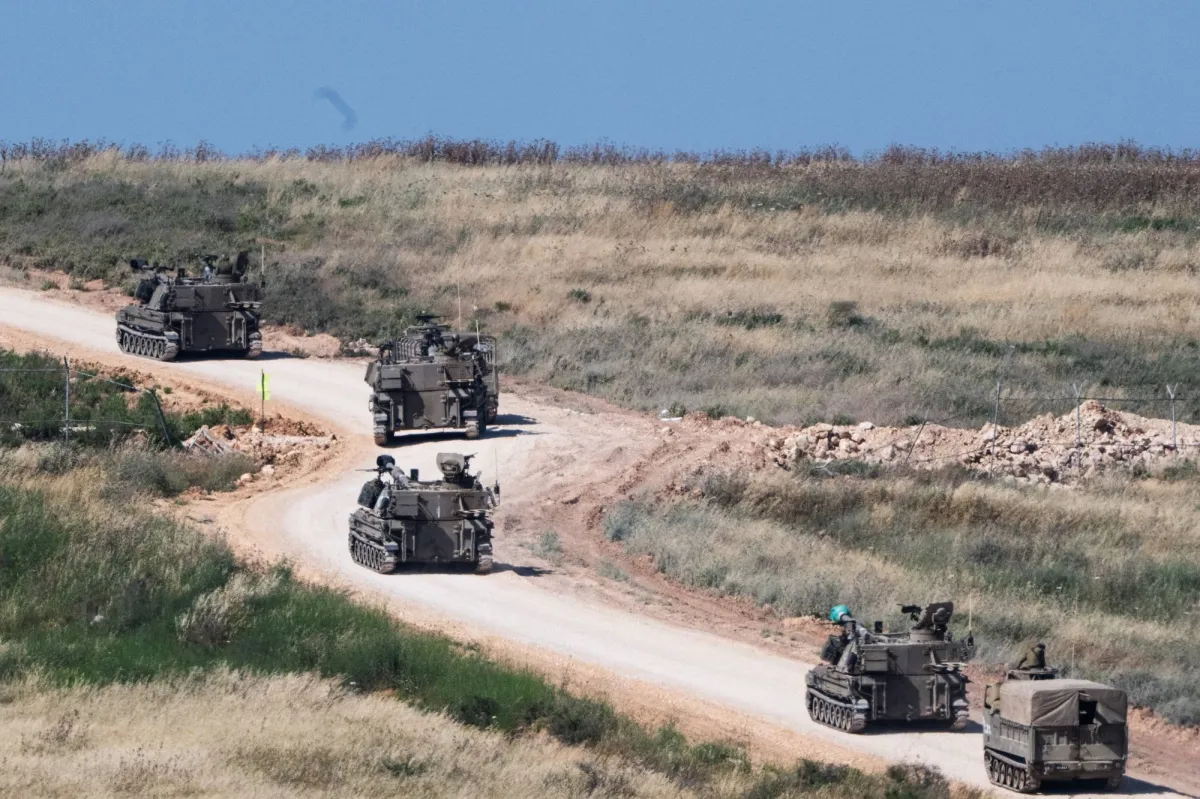
In related developments, the Israeli army has conducted incursions across the Litani River, crossing what is known as the Blue Line in southern Lebanon. This incursion coincided with warnings issued to residents of the city of Nabatieh, indicating a shift in confrontations to a more dangerous phase.
Details of the Incident
Israeli media reported that the military operations aim to halt drone activities linked to Hezbollah, with fierce clashes occurring in the Zoutr Eastern Axis. The group announced its resistance to Israeli advances using missiles and shells, reflecting the rising tensions in the area.
The Israeli airstrikes targeted several areas, including Tyre, Bint Jbeil, and Jezine, with Machgara experiencing a series of intense bombings that created what resembled a fire belt. These operations coincide with a Lebanese-Israeli military meeting in Washington, perceived by the Lebanese side as a technical discussion aimed at stabilizing the ceasefire.
Background & Context
These developments emerge amid escalating tensions between Israel and Hamas, with recent periods witnessing the deaths of several military leaders within the movement, impacting the balance of power in Gaza. The killing of Mohammed Awda, the new commander of the Ezzedin al-Qassam Brigades, by Israeli forces, reflects a continuous escalation in military operations.
This military escalation occurs as negotiations between Israel and Hamas, mediated by the United States, face significant hurdles, complicating the situation further. Additionally, Israeli military operations are accompanied by warnings regarding their impact on civilians in Gaza, with reports indicating numerous civilian casualties in recent airstrikes.
Impact & Consequences
The U.S. extension of temporary protection for Lebanon may have multiple implications for the security situation in the region. On one hand, this extension could provide some stability for Lebanon amid the challenging circumstances it faces; on the other hand, it may bolster Israel's position in its military operations.
The increase in Israeli military operations could lead to greater escalation in confrontations, threatening to ignite a new war in the region. Furthermore, the ongoing violence may adversely affect peace efforts and exacerbate the suffering of civilians on both sides.
Regional Significance
The repercussions of the situation in Lebanon and Gaza extend beyond borders, as rising violence could impact stability in neighboring countries such as Syria and Jordan. The continuation of the conflict may also reopen old wounds in the relationships between Arab states and Israel.
Ultimately, the situation in Lebanon and Gaza remains complex, necessitating genuine international efforts to find lasting solutions. The current tensions could lead to unpredictable outcomes, prompting the international community to act swiftly to prevent exacerbating the crisis.