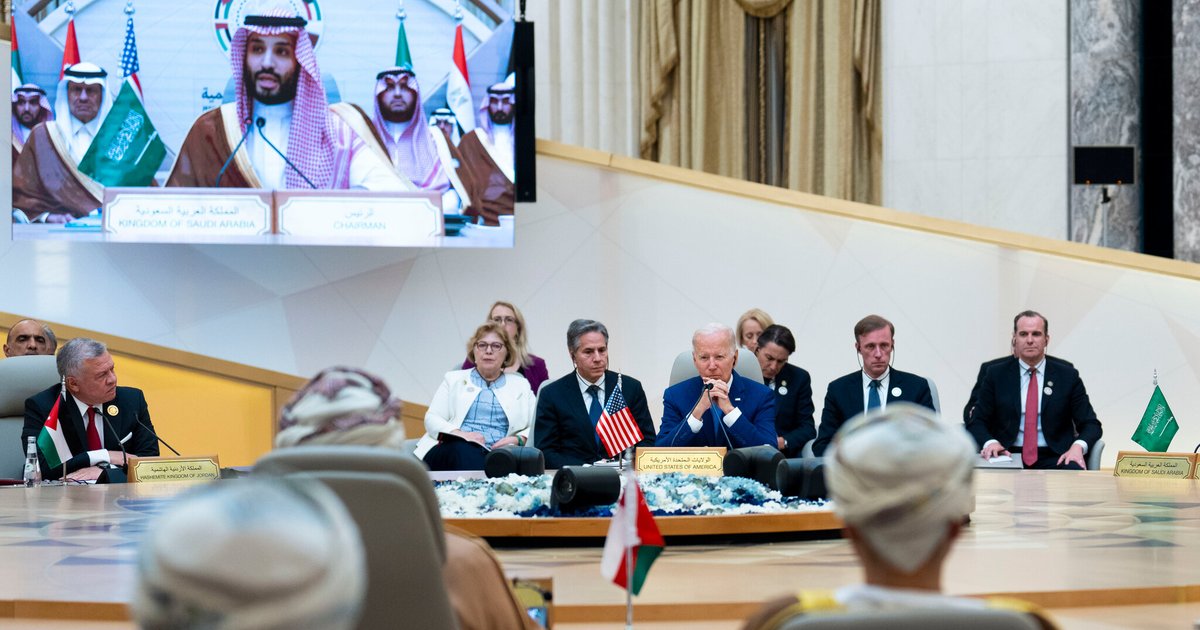
Saudi Arabia is preparing to host an extraordinary meeting of the Gulf Cooperation Council (GCC) leaders in the city of Jeddah next Tuesday. This will be the first in-person meeting since the Gulf states became a battleground for Iranian conflict two months ago. The meeting aims to establish a unified strategy to counter Iranian attacks targeting critical infrastructure in the Gulf countries.
According to Gulf sources, the meeting comes at a sensitive time as the Gulf states have faced thousands of missile and drone attacks since the onset of the war between the United States and Iran. The energy infrastructure across all six member states of the council has been damaged, raising concerns about the potential for continued military escalation in the region.
Details of the Event
The meeting will see the attendance of the Emir of Qatar, the Crown Prince of Kuwait, and the King of Bahrain, while it remains unclear who will represent Oman and the United Arab Emirates. This move comes at a time when there is increasing pressure on the Gulf states to unite in the face of Iranian threats, especially after the UAE expressed sharp criticisms of the council's stance on the war.
In his statements, Emirati official Anwar Gargash noted that logistical support among Gulf states has been present, but the political and military stance has been the weakest in the council's history. He expressed astonishment at the council's weak response compared to the expected outcomes.
Background & Context
The roots of the current tensions trace back to the escalating conflict between Iran and the United States, which effectively began after the military strikes carried out by the United States against Iran on February 28. Since then, the Gulf states have become targets of repeated Iranian attacks, leading to the destruction of many vital facilities.
Historically, the Gulf states have always been on alert due to Iranian activities in the region, with recent years witnessing an increase in tensions resulting from Iranian policies in Iraq, Syria, and Yemen. This meeting represents an opportunity for the Gulf states to coordinate their efforts to confront shared threats.
Impact & Consequences
The implications of this meeting extend beyond mere security coordination, as it could significantly affect regional stability. If leaders reach an agreement on how to confront Iranian threats, it could bolster the Gulf states' position in international forums and enhance their ability to respond to any future aggressions.
On the other hand, continued tensions may exacerbate economic conditions in the region, especially since many countries heavily rely on oil exports, which could be adversely affected if attacks persist.
Regional Significance
The Arab region as a whole is affected by these developments, as any escalation in the Gulf could negatively impact neighboring countries. Furthermore, the stability of the Gulf states is vital for regional security, making it essential for Arab nations to collaborate in addressing common challenges.
In conclusion, this meeting represents a genuine opportunity for Gulf leaders to unify their ranks against Iranian threats and reflects the importance of Arab cooperation under the current circumstances.