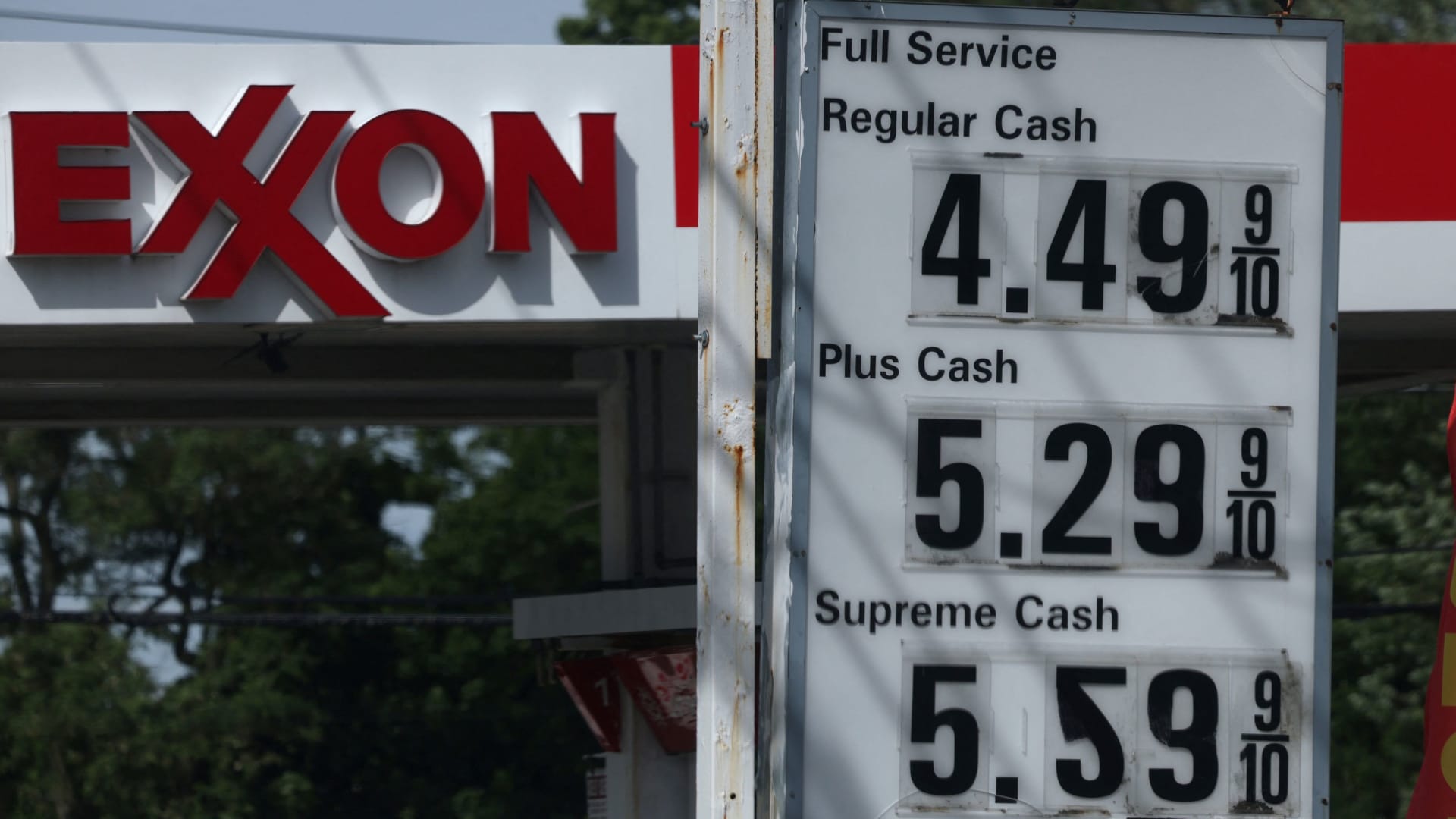
ExxonMobil's Vice President, Neil Chapman, issued a stark warning during a conference in New York that global oil inventories are on track to hit dangerously low levels within the next few weeks. He emphasized that this sharp decline will lead to a significant increase in oil prices, with Brent crude expected to reach between $150 and $160 per barrel once these record low levels are attained.
Forecasts indicate that these low inventory levels will greatly impact the market, potentially leading to demand destruction. Chapman clarified that the current situation necessitates urgent action to avert future crises.
Event Details
During his remarks at a conference hosted by Bernstein, Chapman stated, "We are approaching unprecedented inventory levels," noting that these low levels could be realized within two to three weeks. He asserted that "when prices reach a certain level, demand destruction will rebalance the market."
Currently, July futures for Brent closed below $94 per barrel, as investors await the outcome of negotiations between the United States and Iran, which could lead to the reopening of the Strait of Hormuz. Iran's closure of this strait has resulted in market losses exceeding one billion barrels, marking the largest disruption in oil supplies in history, according to the International Energy Agency.
Background & Context
Reports indicate that the International Energy Agency warned earlier this month that inventories are declining at a record rate. In March, member countries agreed to release 400 million barrels from reserves to mitigate the impact of supply disruptions.
Over the past two months, oil industry leaders have cautioned that the futures market does not reflect the extent of disruptions caused by the ongoing conflict in the Middle East. Chapman reiterated that "there is only one direction when inventories hit their lowest levels, which is up."
Impact & Consequences
These warnings serve as a wake-up call for global markets, as rising oil prices could significantly impact the global economy. With increasing prices, transportation and production costs may rise, leading to higher prices for consumers.
This price surge could also lead to a decline in oil demand, potentially causing market volatility. Under these circumstances, governments and companies may need to take measures to adapt to these rapid changes.
Regional Significance
Arab countries are directly affected by rising oil prices, as many of these nations rely on oil revenues as a primary source of income. While rising prices may boost revenues in some countries, they could simultaneously increase the cost of living in others.
In light of these conditions, Arab nations must consider new strategies to cope with oil market fluctuations, including diversifying income sources and enhancing investments in renewable energy.