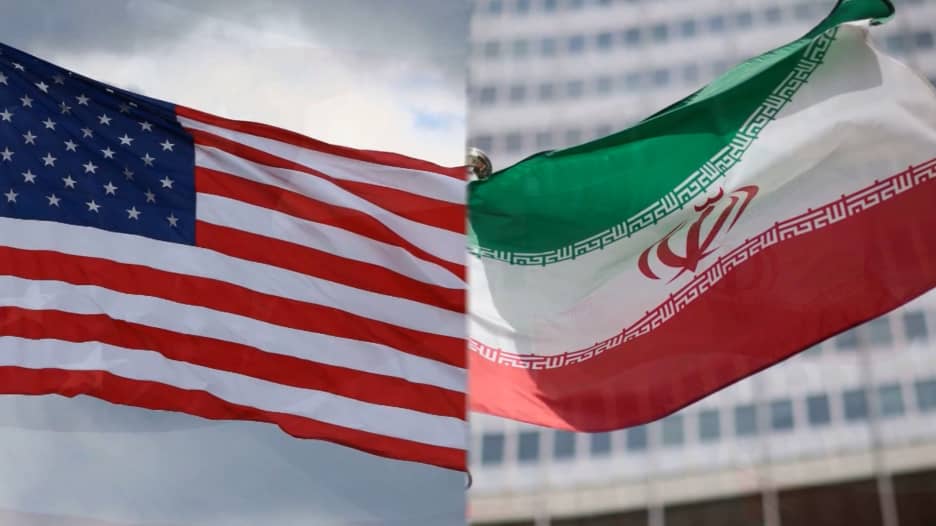
Pakistan's Foreign Minister, Bilawal Bhutto Zardari, revealed that indirect talks are occurring between the United States and Iran, with messages being exchanged through his country. These statements come at a time of increasing tensions in the region, highlighting Pakistan's potential role as a mediator in the complex relationships between major powers.
During a press conference, Zardari emphasized that Pakistan plays a pivotal role in facilitating communication between Washington and Tehran, pointing out the importance of dialogue in easing tensions. He explained that these talks aim to address outstanding issues between the two sides, including the Iranian nuclear program and the sanctions imposed on Tehran.
Details of the Event
These developments come at a sensitive time, as pressures on Iran escalate due to its nuclear program, which the West views as a threat to regional and international security. In contrast, Iran seeks to strengthen its position in the talks, especially following the U.S. withdrawal from the nuclear agreement in 2018.
Pakistan, which has historical ties with both the United States and Iran, is considered a suitable platform for facilitating these discussions. Islamabad has expressed its readiness to support any efforts aimed at achieving stability in the region, reflecting its desire to enhance its role as a diplomatic mediator.
Background & Context
Historically, relations between the United States and Iran have been marked by severe tensions, particularly following the Iranian Revolution in 1979. Since then, the United States has imposed stringent economic sanctions on Iran, adversely affecting its economy. However, some attempts at dialogue have emerged, such as the nuclear agreement reached in 2015, which was later annulled by former President Donald Trump's administration.
Pakistan is one of the few countries that can play a mediating role, given its balanced relations with both sides. Its geographical location also makes it an ideal launchpad for talks, enhancing the chances of their success.
Impact & Consequences
If the indirect talks between the United States and Iran succeed, they could lead to a reduction in tensions in the region, positively impacting regional security. This step could help rebuild trust between the two parties, potentially opening the door for new agreements concerning the Iranian nuclear program.
On the other hand, Pakistan may face new challenges if these talks fail, as it could come under pressure from both sides. Additionally, any escalation of tensions could negatively affect the stability of the entire region.
Regional Significance
The relations between the United States and Iran are pivotal for security in the Middle East. Any progress in the talks could contribute to calming situations in countries like Iraq and Syria, where American and Iranian interests intersect. Furthermore, the success of these talks could pave the way for improving relations between Iran and Arab countries, especially those experiencing tensions with Tehran.
In conclusion, these developments underscore the importance of diplomacy in resolving international disputes. Pakistan's role as a mediator could have a significant impact on the future of relations between major powers, contributing to stability in the region.