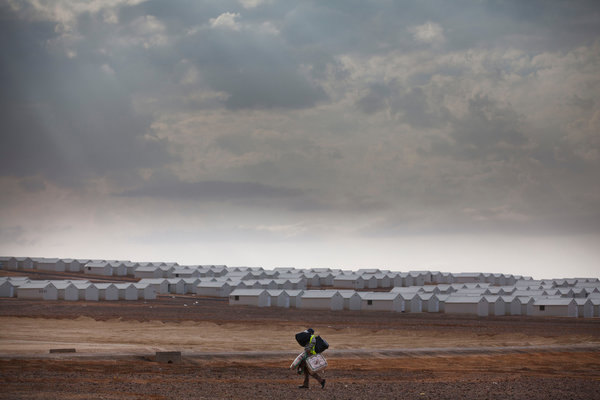
Approximately 34,000 refugees in the Azraq camp in Jordan are facing significant challenges due to a decline in funding allocated for their assistance. This crisis threatens the continuity of essential services they rely on, exacerbating their suffering amid the difficult economic conditions they endure.
The funding crisis is one of the largest challenges facing refugees in the camp, as officials have noted that financial support from international and local organizations has decreased significantly in recent years. Refugees in the camp depend on food aid, healthcare, and education, but the lack of funding threatens to reduce these vital services.
Details of the Situation
The Azraq camp, established in 2014, is one of the largest refugee camps in Jordan, hosting refugees from various nationalities, including Syrians and Iraqis. With the increasing number of refugees, the pressure on resources and services in the camp has become greater than ever.
Reports indicate that funding allocated for refugees in Jordan has decreased by up to 40% over the past two years, leading to a reduction in food aid and a decrease in the number of beneficiaries of healthcare services. Camp officials have warned that if this trend continues, it could worsen the humanitarian situation.
Background & Context
Historically, Jordan has welcomed large numbers of refugees due to conflicts in the region, particularly the Syrian conflict that began in 2011. These crises have impacted the Jordanian economy, which is already grappling with multiple economic challenges, including high rates of unemployment and poverty.
International aid is essential to support refugees, but the decline in funding raises concerns about Jordan's ability to continue providing this assistance. Many experts have pointed out that the current situation requires an urgent response from the international community to ensure that humanitarian conditions do not worsen.
Impact & Consequences
The decline in funding directly affects the lives of refugees, as they face difficulties in accessing food and healthcare. Additionally, the lack of education for refugee children could exacerbate social and economic conditions in the future.
Moreover, the increasing pressures on refugees may lead to heightened social tensions in host communities, which could negatively impact stability in the region. This necessitates that governments and international organizations take effective steps to address these issues.
Regional Significance
The refugee crisis in Jordan is part of a larger crisis affecting many Arab countries, where nations like Lebanon and Turkey face similar burdens. The decline in funding and humanitarian aid could exacerbate humanitarian crises in the region, requiring greater international cooperation.
In conclusion, the situation in the Azraq camp reflects the significant challenges faced by refugees in the region. It is crucial for the international community to act urgently to ensure that necessary support is provided to those suffering under harsh conditions.