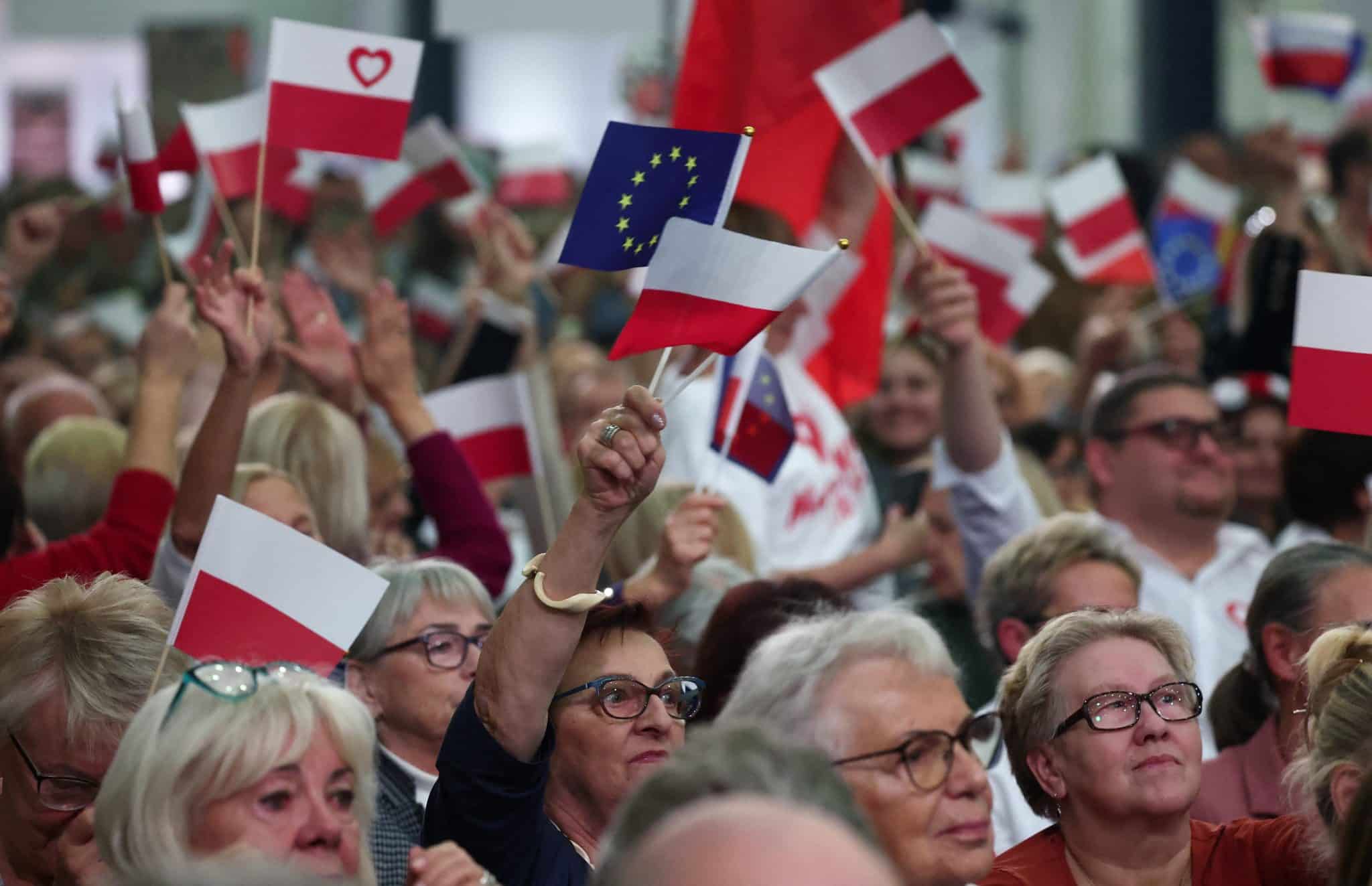
Hungary is preparing for a crucial election that could greatly influence the nation's future under Prime Minister Viktor Orbán. Since taking office, Orbán has sparked numerous controversial issues that have angered the European Union, leading many observers to hope that this election could be a chance for change.
The upcoming elections come at a time when pressures on Orbán are mounting due to his contentious policies, including issues related to human rights, press freedom, and immigration policies. Some voters have expressed their dissatisfaction with these policies, potentially opening the door for other candidates to succeed at the polls.
Details of the Upcoming Elections
The parliamentary elections in Hungary are set to take place later this year, and intense competition among political parties is anticipated. Orbán, who leads the Fidesz party, faces challenges from opposition parties aiming to capitalize on voter discontent. Recent polls have shown a decline in Orbán's popularity, heightening political tensions.
The opposition parties are striving to unite their ranks to confront Orbán, as this coalition is seen as a significant step in attempting to alter the political landscape. While Orbán still enjoys strong support from certain segments of society, there are indications of growing discontent among young voters and intellectuals.
Background & Context
Since assuming power in 2010, Orbán has adopted a cautious policy towards the European Union, frequently criticizing many of its policies and showing reluctance to comply with certain European laws. This has raised concerns among several member states of the union, resulting in ongoing diplomatic tensions.
Historically, Hungary has been part of the European Union since 2004 and has benefited from the financial and political support provided by the union. However, Orbán's policies have led to a deterioration of trust between the Hungarian government and the EU, prompting many observers to question the future of relations between the two sides.
Impact & Consequences
If the opposition succeeds in the upcoming elections, it could lead to radical changes in Hungary's foreign policy, including an improvement in relations with the European Union. Such a shift could have positive effects on the Hungarian economy, which heavily relies on European support.
Conversely, if Orbán remains in power, he may continue to pursue his current policies, potentially exacerbating tensions with the European Union. This scenario could negatively impact foreign investments and increase Hungary's isolation on the international stage.
Regional Significance
The relationship between Hungary and Arab countries is an important topic, as Hungary seeks to enhance economic and cultural cooperation with Arab nations. Any changes in the Hungarian government could affect these relations, particularly in the areas of trade and investment.
Given the challenges faced by Arab countries in development and economic sectors, any improvement in relations with Hungary could open new avenues for cooperation, benefiting both sides.
In conclusion, the upcoming elections in Hungary remain a significant event not only for the country but also for the European Union and Arab nations. Everyone is looking forward to the results of this election and what changes it may bring to the European political landscape.