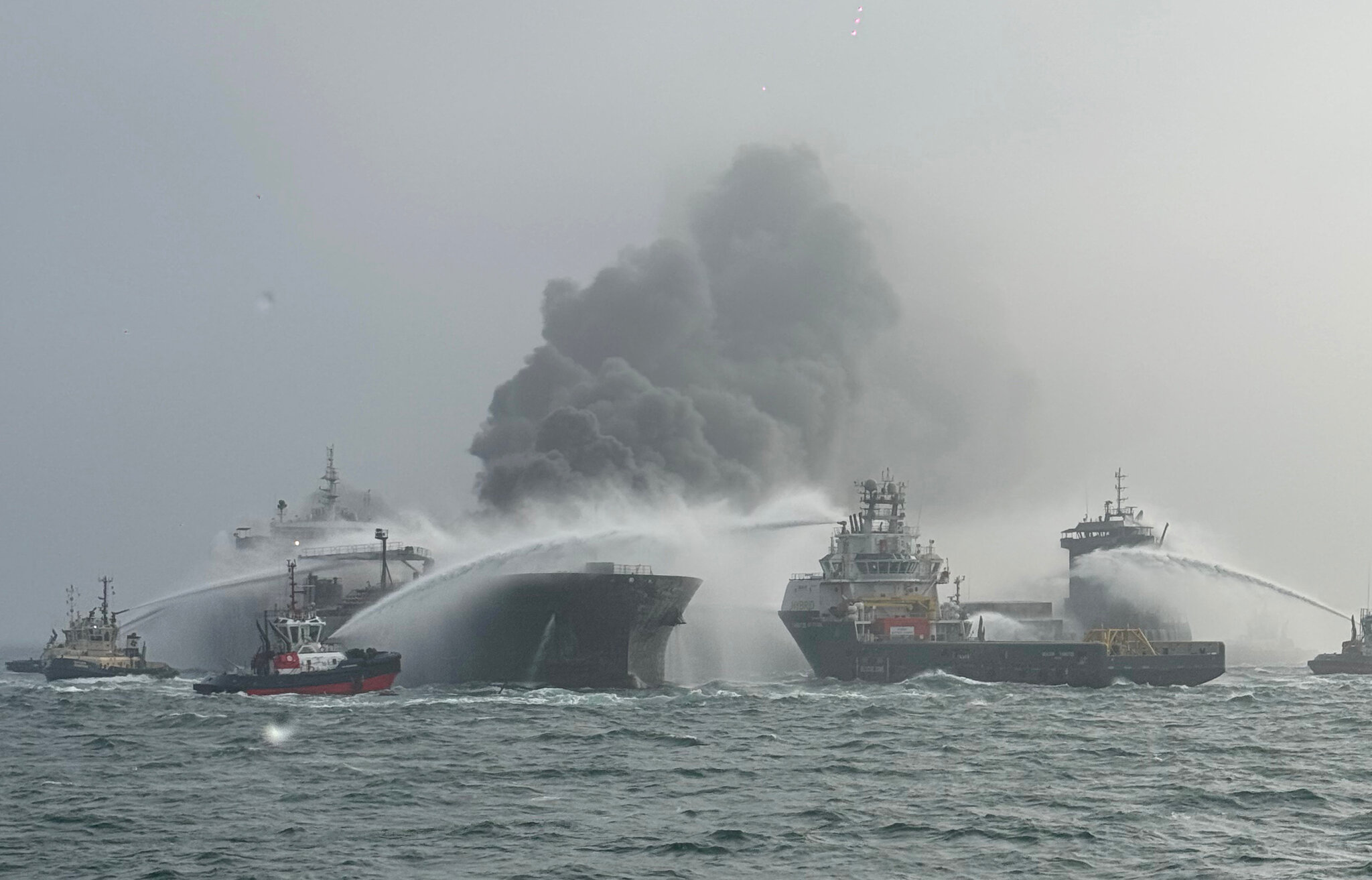
Libyan maritime authorities announced the failure of a rescue operation for a damaged Russian oil tanker off the country's coast, attributing the setback to severe weather conditions that hindered the successful execution of the operation. The tanker, which had sustained significant damage, was in urgent need of a rescue to avoid any potential oil spill or greater environmental damage.
This incident comes at a sensitive time, as the region is experiencing severe weather fluctuations, complicating rescue efforts. The tanker, named 'Christopher Columbus', had been stranded in the waters for several days, raising concerns about the possibility of oil leaking into the sea.
Details of the Incident
According to reports, the tanker had sustained damage due to a strong storm, rendering it unable to navigate. Rescue teams were dispatched to the site; however, adverse weather conditions prevented the safe towing of the vessel. Maritime authorities confirmed that they would monitor the situation closely and would attempt the operation again once the weather improved.
The tanker was carrying a cargo of oil, which heightened concerns regarding the impact of any potential spill on the marine environment. Experts indicated that an oil spill could lead to an environmental disaster affecting marine life and causing severe damage to coral reefs.
Background & Context
Libya is considered one of the oil-producing countries in North Africa, where the oil industry plays a vital role in the national economy. However, the country faces significant challenges related to security and stability, which affect production and transportation operations. Maritime incidents like this underscore the need to improve maritime infrastructure and enhance rescue capabilities.
In recent years, Libya has witnessed numerous maritime incidents, including oil spills. This has led to increasing calls from environmental organizations for improved laws and regulations concerning marine environmental protection.
Impact & Consequences
The failure of the towing operation could have significant repercussions for the marine environment in the region. Should an oil spill occur, it could deteriorate marine life and impact local communities that rely on fishing as a primary source of livelihood. Additionally, the incident may raise concerns among investors in the oil sector, potentially affecting future investments in the country.
Furthermore, the incident highlights the urgent need to enhance preparedness for maritime emergencies. Libyan authorities must work to strengthen their maritime rescue capabilities and provide the necessary equipment to handle such incidents.
Regional Significance
Maritime incidents like this are particularly significant for Arab countries that rely on oil as a primary source of revenue. Any oil spill could impact the marine environment in the Mediterranean Sea, threatening marine life across the entire region. Such incidents may also affect relations between coastal nations, as they may require cooperation in rescue efforts and environmental protection.
In conclusion, this incident underscores the need to enhance regional cooperation in marine environmental protection and develop effective strategies to address maritime emergencies. There should be joint efforts among Arab countries to ensure the safeguarding of marine environments and the preservation of natural resources.