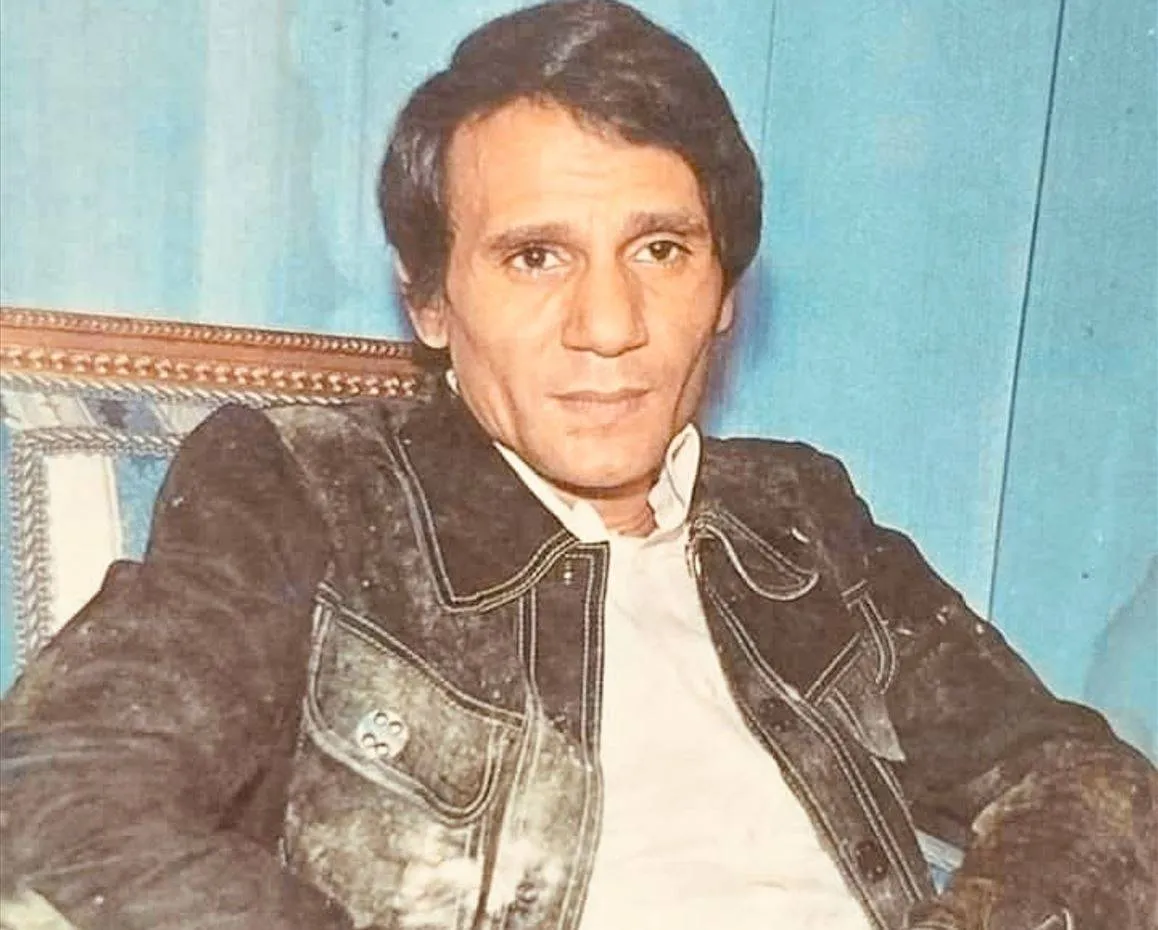
The family of the late Egyptian artist Abdel Halim Hafez has called for his legacy to be immortalized in an artistic work, similar to the film 'Michael', which is currently showing in cinemas and chronicles the life of the American star Michael Jackson, known as the 'King of Pop'. This request arises during a time when Arab art is in urgent need of documenting the lives of prominent artistic personalities.
The family expressed their admiration for the artistic documentation of Jackson's life, as shared on the Facebook page named 'Abdel Halim Hafez House'. They conveyed their desire to produce a film about him with specific standards, affirming their readiness to provide full support, including information, details, and artistic secrets, to ensure a unique portrayal that differs from previous works.
Details of the Event
The family has agreed to film inside Abdel Halim's home to accurately reflect his reality, noting that his artistic and personal life is rich and deserves more than one artistic work to cover various stages from his beginnings until his passing. Egyptian artist Mohamed El-Azazy, who expressed his admiration for the film 'Michael', mentioned feeling a sense of 'artistic jealousy' after watching it, due to its fast pace and engaging storytelling.
El-Azazy revealed his long-held dream of portraying the character of 'Halim' in a modern style with advanced techniques, which received the family's support, considering him the most suitable for the role. He explained that this dream was rekindled after watching 'Michael', pointing out his previous experience in portraying the character in the film 'Samir, Shahir, and Bahir', which received positive feedback.
Background & Context
The history of Abdel Halim Hafez (1929–1977) spans over four decades, beginning his career in the 1950s and presenting a large collection of romantic, national, and religious songs, including notable hits like 'Toba', 'Mawood', 'Qare'at Al-Fanjan', and 'Adda Al-Nahar'. He also starred in prominent films such as 'The Idol of the Masses', 'The Empty Pillow', 'Street of Love', 'My Father is Above the Tree', and 'The Sins'. Abdel Halim is considered an integral part of modern Egyptian history, reflecting the political and social transformations the country underwent through his works.
Art critic Magda Khairallah, in her conversation with 'Asharq Al-Awsat', emphasized that biographical works require meticulous preparation and reliance on credible information, given their importance in documenting personalities and introducing generations to their journeys. However, she expressed skepticism about the feasibility of presenting Abdel Halim's biography currently, considering that his audience is already well-acquainted with his works and artistic archive.
Impact & Consequences
Calls to document the lives of artistic figures in the Arab world are increasing, as this type of work is seen as a means to enhance cultural and artistic awareness among new generations. Producing a film about Abdel Halim Hafez could contribute to reviving his memory and introducing the audience to his personality and works, thereby strengthening his position in collective memory.
Furthermore, the success of the film 'Michael' may serve as a motivation for more artistic works that address the lives of prominent figures in the Arab world, opening the door for filmmakers to present new and innovative perspectives.
Regional Significance
The experience of documenting the lives of artistic figures is an important step in enhancing Arab cultural identity, as it helps highlight the artistic heritage and its history. Producing a film about Abdel Halim Hafez could serve as a model to be emulated in other Arab countries, where it could shine a light on other artists who have influenced the artistic scene.
In conclusion, this request from Abdel Halim Hafez's family underscores the importance of reviving and documenting artistic heritage, reflecting a desire to preserve the cultural memory for future generations.