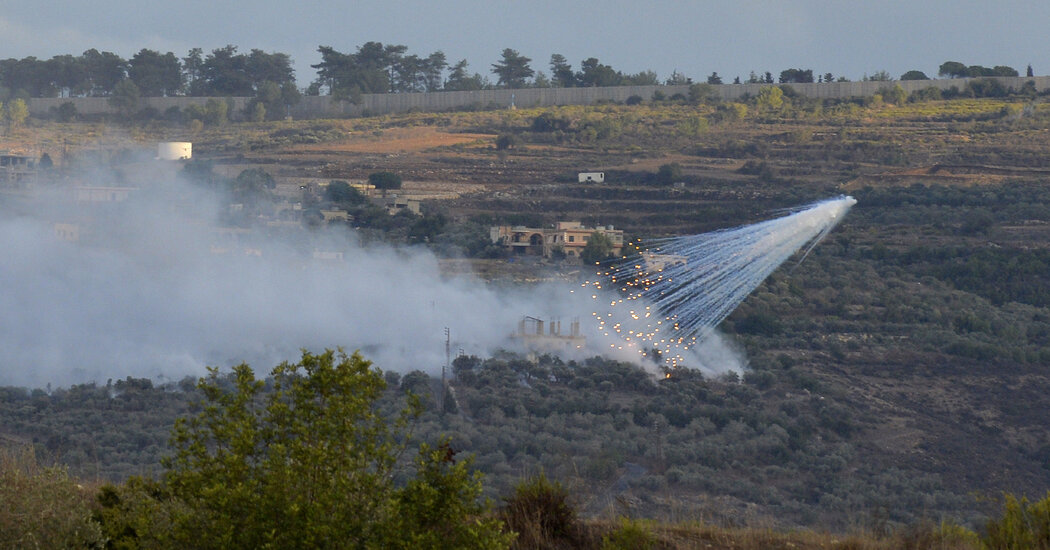
Israeli newspaper Haaretz reports growing fears of a possible attrition war in Lebanon, as the Israeli army remains stationed at the front lines. These concerns come at a sensitive time, with tensions between Israel and Hezbollah on the rise, prompting worries about a potential military escalation that could impact regional stability.
The Israeli army, facing both internal and external pressures, appears to prefer focusing on border defense rather than engaging in extensive military operations. This approach reflects a new strategy aimed at minimizing human losses and military costs amid the economic and political challenges facing Israel.
Details of the Situation
Reports indicate that the Israeli army has reinforced its presence in border areas with Lebanon, while simultaneously avoiding large-scale offensive operations. This strategy reflects military leadership's concerns about the possibility of unexpected escalation, especially given the increasing tensions between the two sides.
There are also fears that any military escalation could lead to a full-scale war, which the Israeli army seeks to avoid. In this context, the importance of diplomatic efforts to ease tensions is highlighted, as these efforts are deemed essential for maintaining peace in the region.
Background & Context
Historically, the Lebanese-Israeli border has witnessed ongoing tensions, particularly since the 2006 war. This conflict marked a turning point in relations between the two sides, resulting in heavy losses and affecting regional security. Since then, both the Israeli army and Hezbollah have sought to enhance their military capabilities, increasing the likelihood of future conflicts.
In recent years, Hezbollah's military activities have intensified, as it is considered one of the prominent actors in Lebanon. This military escalation occurs amid ongoing Iranian support, complicating the security situation in the region. In response, Israel is attempting to bolster its defensive capabilities to counter any potential threats.
Impact & Consequences
If an attrition war breaks out in Lebanon, it would significantly affect regional security. It is likely to lead to an influx of refugees into neighboring countries, increasing pressure on local governments. Furthermore, any military escalation could negatively impact the already crisis-stricken Lebanese economy.
Moreover, war would exacerbate humanitarian conditions in Lebanon, where populations are suffering from shortages of basic resources. This situation could create a fertile ground for extremism and violence, complicating peace efforts in the region.
Regional Significance
Developments in Lebanon are particularly significant for neighboring Arab countries, as any escalation could impact their stability. Countries like Syria and Jordan may face new challenges if war breaks out in Lebanon, necessitating precautionary measures to address potential repercussions.
Additionally, the situation in Lebanon could affect relations between Arab states and Israel, as any escalation might reignite old conflicts and increase tensions between the two sides. Therefore, maintaining peace and stability in Lebanon is vital for the entire region.
In conclusion, the situation in Lebanon remains under close observation, as any new developments could influence regional security. It is crucial for diplomatic efforts to continue in order to avoid military escalation and preserve peace in the area.