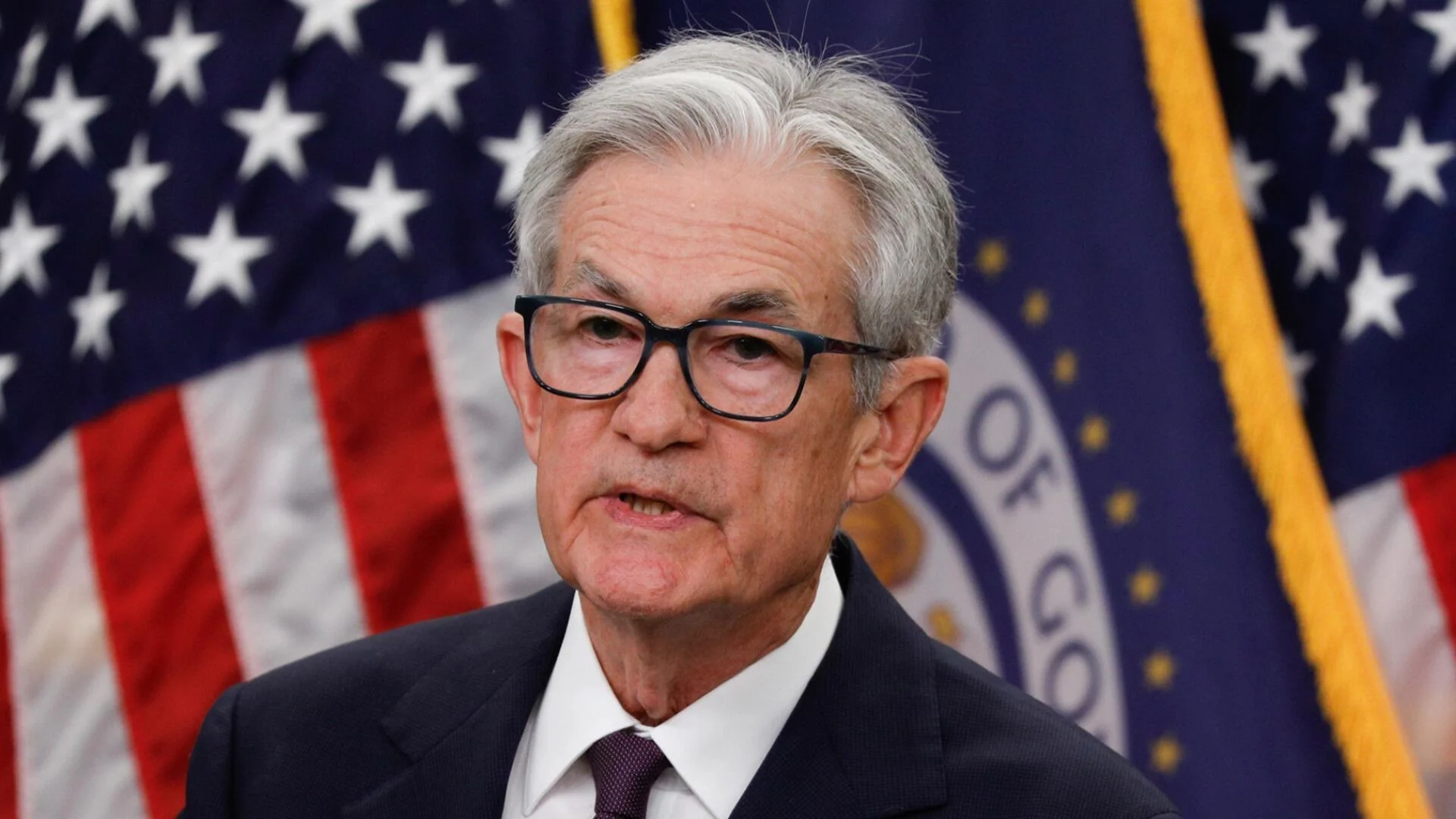
The Federal Reserve is expected to cut interest rates in its upcoming meeting, according to minutes from its last gathering. While some members see a 'strong case' for a rate hike, this view represents a minority. The meeting in March is expected to be a turning point in monetary policy.
The minutes show that the discussions within the Fed were intense, with members divided between supporters of a rate hike and opponents. At the same time, many members emphasized the importance of monitoring incoming economic data before making any final decision.
Event Details
The minutes indicate that the Fed's members were sharply divided, with some arguing for a rate hike and others against it. Meanwhile, many members stressed the need to keep a close eye on economic data before making any final decision.
Analysts expect the upcoming meeting in March to be a crucial moment in monetary policy, with the Fed's decision likely to have far-reaching implications for the global economy.
Background & Context
Over the past few years, the Federal Reserve has pursued a tight monetary policy in an effort to control inflation. However, the current economic conditions require a re-evaluation of this policy. Historically, the Fed has played a crucial role in guiding the US economy, and its decisions often have far-reaching implications for global financial markets.
In recent years, the US has experienced significant economic fluctuations, prompting the Fed to take unconventional measures. In this context, it is essential to understand how interest rate decisions can impact the economy as a whole.
Impact & Consequences
If the Federal Reserve decides to cut interest rates, it could stimulate economic growth by encouraging borrowing and investment. However, this decision may also raise concerns about inflation, as it could lead to higher prices in the future.
Financial markets expect any change in monetary policy to have direct implications for stock prices and bond yields. A rate cut could also strengthen the US dollar, affecting international trade.
Regional Significance
The Fed's decisions have significant implications for the Arab economies, as many of these countries rely on foreign investment and trade with the US. Any changes in US monetary policy could impact capital flows to the region.
Furthermore, a rate cut could lead to lower borrowing costs, potentially encouraging more investment projects in Arab countries. However, these countries must be cautious of potential inflationary pressures.
Closing paragraph: In light of the current economic conditions, it appears that the Federal Reserve is leaning towards cutting interest rates. This decision, if made, will have far-reaching implications for the US and global economies, including Arab countries.