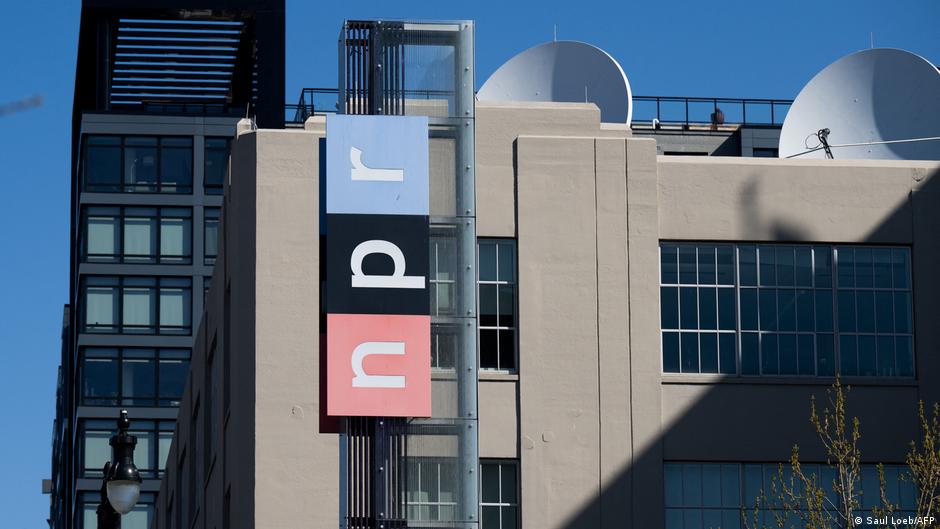
A federal judge issued a ruling on Tuesday that prevents former President Donald Trump's administration from enforcing its order to stop funding for National Public Radio (NPR) and Public Broadcasting Service (PBS). Judge Randolph Moss found that the executive order signed by Trump last May was illegal and infringed upon the freedom of speech rights protected by the First Amendment of the U.S. Constitution.
In May 2020, Trump signed an executive order directing the Corporation for Public Broadcasting to cease both direct and indirect funding for NPR and PBS, claiming that their news coverage exhibited a liberal bias that should not be supported by taxpayers. Additionally, in July of the same year, Trump canceled a funding package worth $1.1 billion that was allocated for public broadcasting.
Details of the Ruling
In his ruling, Judge Moss noted that Trump's executive order reflects a clear discrimination against viewpoints that the president disapproves of, emphasizing that such actions are inconsistent with democratic principles. Moss wrote in his decision, "It is hard to imagine clearer evidence that a government action targeting specific viewpoints seeks to silence them." Moss was appointed by former President Barack Obama.
In a related context, a U.S. appeals court issued a decision that suspends a previous ruling by a federal judge requiring the reinstatement of hundreds of Voice of America (VOA) employees who had been placed on paid leave. Judge Royce Lamberth determined that the administration's actions to force more VOA employees onto leave were illegal, but the appeals court's decision delays the enforcement of this ruling.
Background & Context
NPR and PBS are among the most prominent media institutions in the United States, providing diverse news and cultural content. These institutions have faced criticism from some politicians, including Trump, who argue that their media coverage leans towards the left. In recent years, these institutions have encountered increasing financial challenges due to reduced government funding, affecting their ability to deliver high-quality content.
Historically, public broadcasting in the United States has been a contentious issue, with debates highlighting how these institutions are funded and the extent of their independence from political influences. These issues have become increasingly pronounced in recent years, especially with the rise of political divisions in the country.
Impact & Consequences
Judge Moss's ruling is seen as a victory for public media institutions in the United States, underscoring the importance of maintaining media independence and protecting it from political interference. This ruling is likely to bolster public support for government funding of public broadcasting, especially amid rising political pressures.
However, it remains unclear how these decisions will affect the daily operations of NPR and PBS, as the Trump administration is expected to appeal the ruling. The potential impacts on VOA employees indicate ongoing tensions between the current administration and the media.
Regional Significance
Media freedom and independence are vital issues in the Arab world, where many countries face similar challenges regarding political interference in the media. What is happening in the United States could have ramifications for discussions about freedom of expression in the region, as many activists and journalists strive to assert their rights against government pressures.
Ultimately, this ruling reflects the importance of protecting media freedom as a fundamental element of democracy, emphasizing the need for an independent media environment that reflects a diversity of opinions and perspectives.