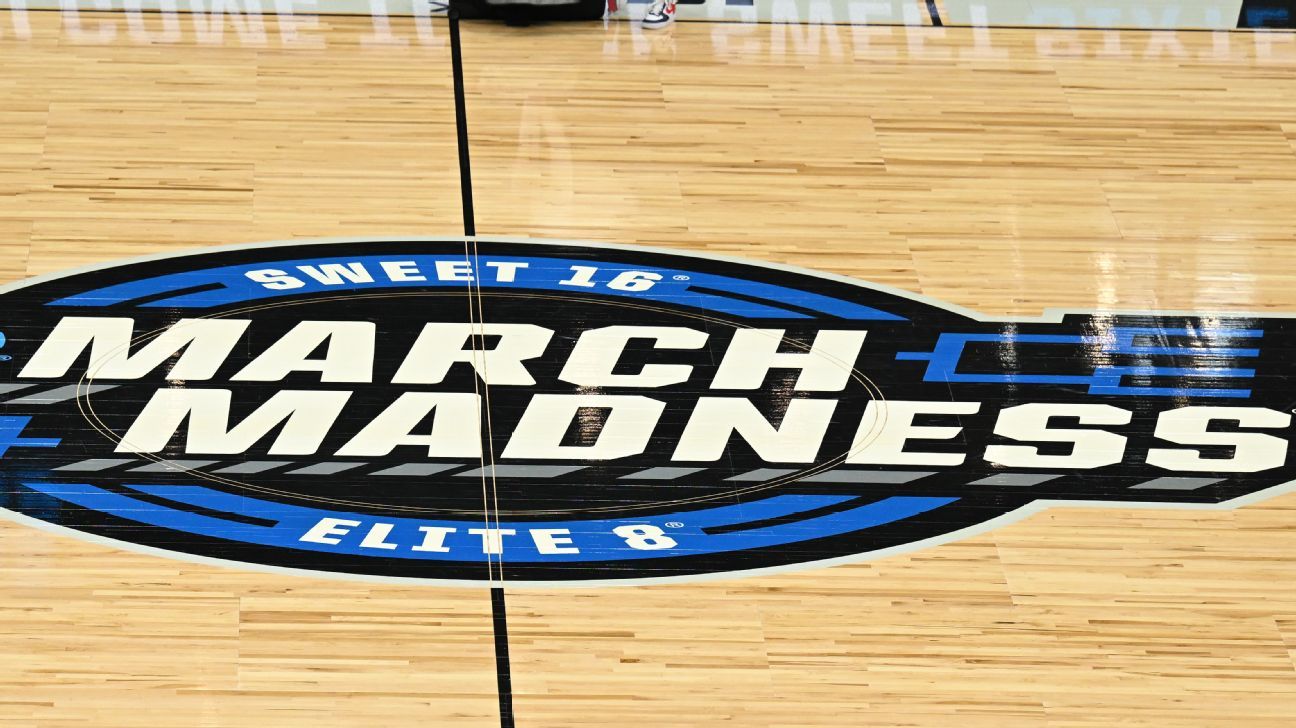
A federal judge in the United States has denied the National Collegiate Athletic Association's (NCAA) request for a restraining order against DraftKings to stop using the phrase 'March Madness'. This decision comes at a critical time as college teams prepare for the annual tournament. This ruling is considered a victory for DraftKings, which is one of the largest sports betting companies in the country.
The NCAA has long sought to protect its trademark, as the 'March Madness' tournament is one of the premier sporting events in the United States, featuring the best college basketball teams. However, DraftKings' use of this phrase in its marketing campaigns has sparked widespread controversy, with the NCAA arguing that it constitutes a violation of its rights.
Details of the Ruling
During a hearing, the judge stated that the NCAA did not provide sufficient evidence to prove that DraftKings' use of the phrase 'March Madness' causes significant harm to the association. The judge noted that the public may not directly associate sports betting with the tournament, thereby reducing the likelihood of any confusion. He also expressed concern that imposing such an order could infringe on freedom of expression.
The 'March Madness' tournament is a major sporting event that attracts millions of viewers and bettors alike. DraftKings benefits from this event to attract more customers and increase its revenues. This ruling raises questions about how companies navigate sports branding amidst the growing popularity of sports betting.
Background & Context
The NCAA was established in 1906 and is the governing body responsible for organizing college sports in the United States. Since then, the annual college basketball tournament has been known as 'March Madness', taking place every March. With the rising popularity of sports betting, the NCAA has begun taking steps to protect its brand from any commercial exploitation.
In recent years, the United States has seen significant changes in sports betting laws, leading to the emergence of numerous companies offering online betting services. However, the NCAA still faces challenges in how to protect its rights amid this rapid change.
Impact & Consequences
This ruling could have a substantial impact on how companies interact with sports brands in the future. This decision may encourage other companies to use the names of famous sporting events in their marketing campaigns without fear of legal repercussions. It could also lead to further debate about trademark rights in the expanding world of sports betting.
Moreover, this ruling may affect the NCAA itself, as it may need to reevaluate its strategies for protecting its brand. With increasing competition in the sports betting market, the NCAA may find itself in a difficult position in trying to maintain its rights.
Regional Significance
As the popularity of sports betting grows worldwide, this ruling may have implications for how sports are regulated in Arab countries. Some Arab nations have begun to open sports betting markets, necessitating clear laws to protect trademark rights.
This ruling may also influence how Arab companies engage with major sporting events, as such decisions could encourage innovation in sports marketing. However, there must be legal safeguards to ensure that trademark rights are not violated.
The federal judge's decision to reject the NCAA's request represents a turning point in how companies interact with sports brands. As the popularity of sports betting increases, it will be crucial to monitor how this field evolves in the future.