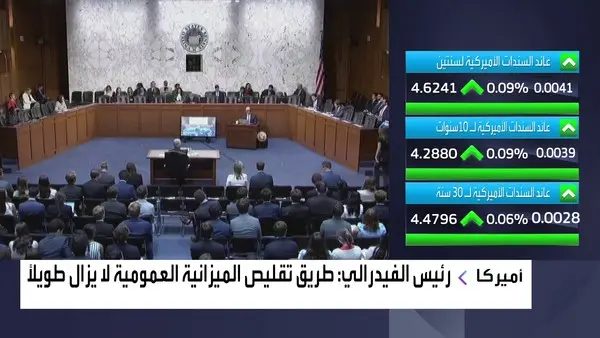
Stephen Miran, the Governor of the Federal Reserve, disclosed that the central bank can notably reduce its balance sheet, but he warned that this process could take several years and necessitate multiple steps. These statements were made during an event held at the Miami Economic Club, where Miran discussed the challenges facing the U.S. economy.
Miran pointed out that the Federal Reserve has taken significant steps in recent years to increase its balance sheet, which has helped support the economy during times of crisis. However, reducing this balance sheet requires careful planning and coordination with other monetary policies.
Event Details
In his remarks, Miran clarified that reducing the balance sheet will not be an easy process, as it requires continuous assessment of economic conditions. He emphasized that the Federal Reserve aims to strike a balance between supporting the economy and mitigating the risks associated with an increased balance sheet.
He also noted that the central bank will need to monitor the effects of any changes on financial markets and the economy as a whole. He confirmed that gradual steps are necessary to ensure that no shocks occur in the financial system.
Background & Context
Historically, the Federal Reserve has witnessed significant increases in its balance sheet during economic crises, such as the global financial crisis in 2008 and the COVID-19 pandemic. These increases aimed to support the economy by providing the necessary liquidity to the financial sector.
However, these policies have led to concerns about inflation and rising public debt. Therefore, reducing the balance sheet has become essential for maintaining financial and economic stability.
Impact & Consequences
Miran's statements may influence financial markets, as investors closely monitor any signals regarding changes in monetary policy. If the Federal Reserve continues to reduce its balance sheet, it could lead to higher interest rates, affecting borrowing and investment.
Additionally, these steps could impact economic growth, as reducing the balance sheet may mean less support for the economy at a time when it needs to recover. Thus, any changes in monetary policy must be executed cautiously to avoid negative repercussions.
Regional Significance
The monetary policies of the Federal Reserve directly affect the global economy, including Arab countries. Rising interest rates in the United States may lead to capital outflows from emerging markets, including Arab nations, increasing pressure on their currencies.
Furthermore, any changes in monetary policy could impact oil prices, as the U.S. economy is one of the largest consumers of oil. Therefore, oil-producing Arab countries need to closely monitor these developments.
In light of current economic challenges, it seems that the Federal Reserve faces a daunting task in balancing economic support with budget reduction. Miran's statements underscore the importance of careful planning and coordination in monetary policies to ensure the stability of both the U.S. and global economies.