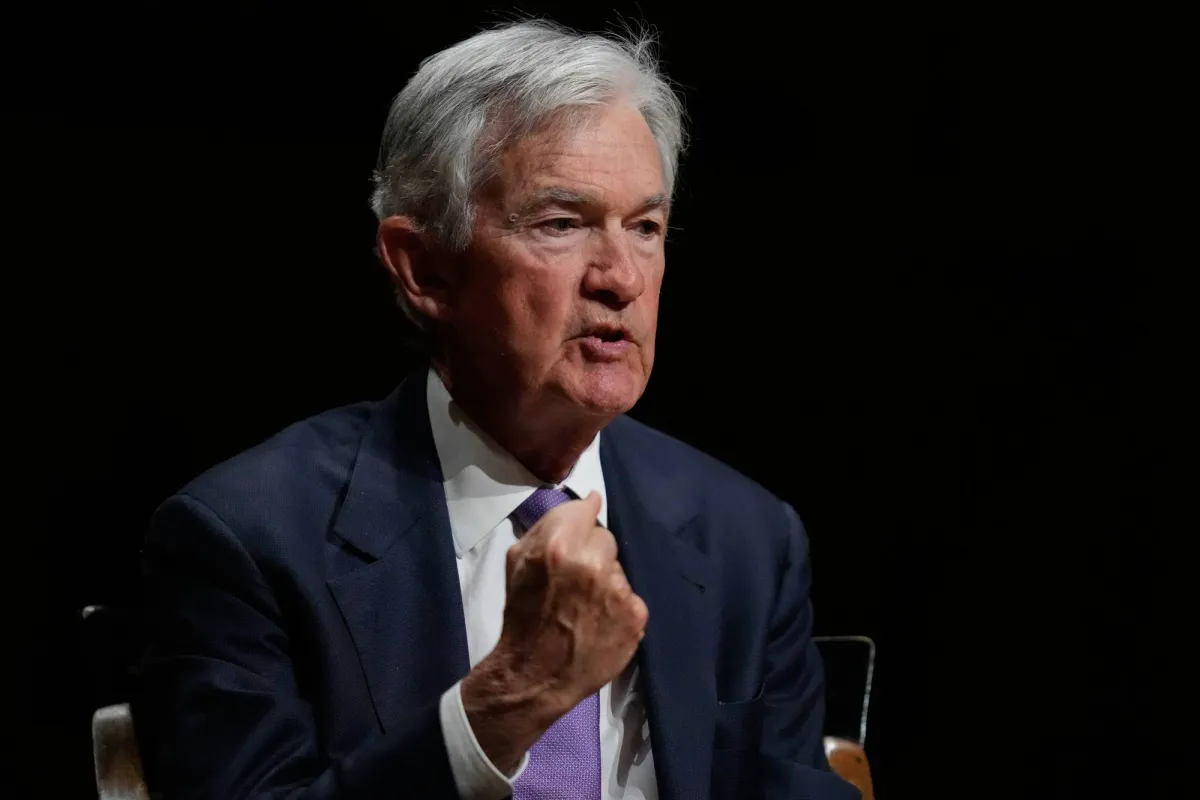
Jerome Powell, the Chairman of the Federal Reserve, affirmed on Monday that long-term inflation expectations appear stable and well-anchored, despite the challenges posed by the current energy shock impacting global markets. Powell explained that the U.S. central bank is still in a phase of monitoring economic data rather than rushing into new monetary policy decisions.
During his speech at Harvard University, Powell stated, "Inflation expectations seem to be well anchored beyond the short term." He noted that the economic impacts of energy-related disruptions, particularly those stemming from the conflict with Iran, remain unclear. However, he assured that the Federal Reserve will be "extremely vigilant" regarding how these disruptions affect price pressures, especially after inflation has remained above its target of 2% for an extended period.
Event Details
Powell's remarks come at a critical time, as the U.S. central bank prefers to monitor incoming economic data rather than hastily implementing new monetary actions. This approach reflects a sense of caution and anticipation amid the current global economic conditions, where concerns about rising energy prices and their impact on inflation and economic growth are increasing.
In a related context, QatarEnergy announced that it expects to begin exporting liquefied natural gas from the Golden Pass project in the second quarter of this year. The Golden Pass project is QatarEnergy's largest investment in the United States and is a joint venture with ExxonMobil. The project has achieved a significant milestone towards the full operation of its liquefied natural gas production and export facilities.
Context and Background
Powell's statements coincide with warnings from energy and finance ministers of the G7 countries regarding the growing economic repercussions stemming from geopolitical tensions in the Middle East. These warnings follow attacks by the United States and Israel on Iran, with Tehran responding by targeting oil-exporting countries in the region, leading to a rise in oil and natural gas prices.
In a joint statement, the G7 urged all countries to refrain from imposing any unjustified export restrictions on fuels. The statement confirmed the group's readiness to work closely with international partners to address any disruptions that may affect supply security.
Consequences and Impact
Governments are facing tough choices amid rising energy costs, which are contributing to increased inflation and slowing economic growth. The French finance minister pointed out that developments in the Gulf have energy, economic, and financial implications, which may extend to inflation rates.
In this context, central bank governors from the G7 countries reaffirmed their commitment to maintaining price stability, emphasizing that monetary policy will remain data-dependent. They also highlighted the need for coordination and information sharing within the group to monitor any future developments that may necessitate emergency meetings.
Impact on the Arab Region
These developments are particularly significant for the Arab region, where the economies of Arab countries are directly affected by rising energy prices. Continued pressure on oil prices could exacerbate economic conditions in many countries that heavily rely on oil exports.
In conclusion, the economic situation remains one of anticipation, as countries must closely monitor developments and take necessary actions to ensure market stability and protect the economy from potential shocks.