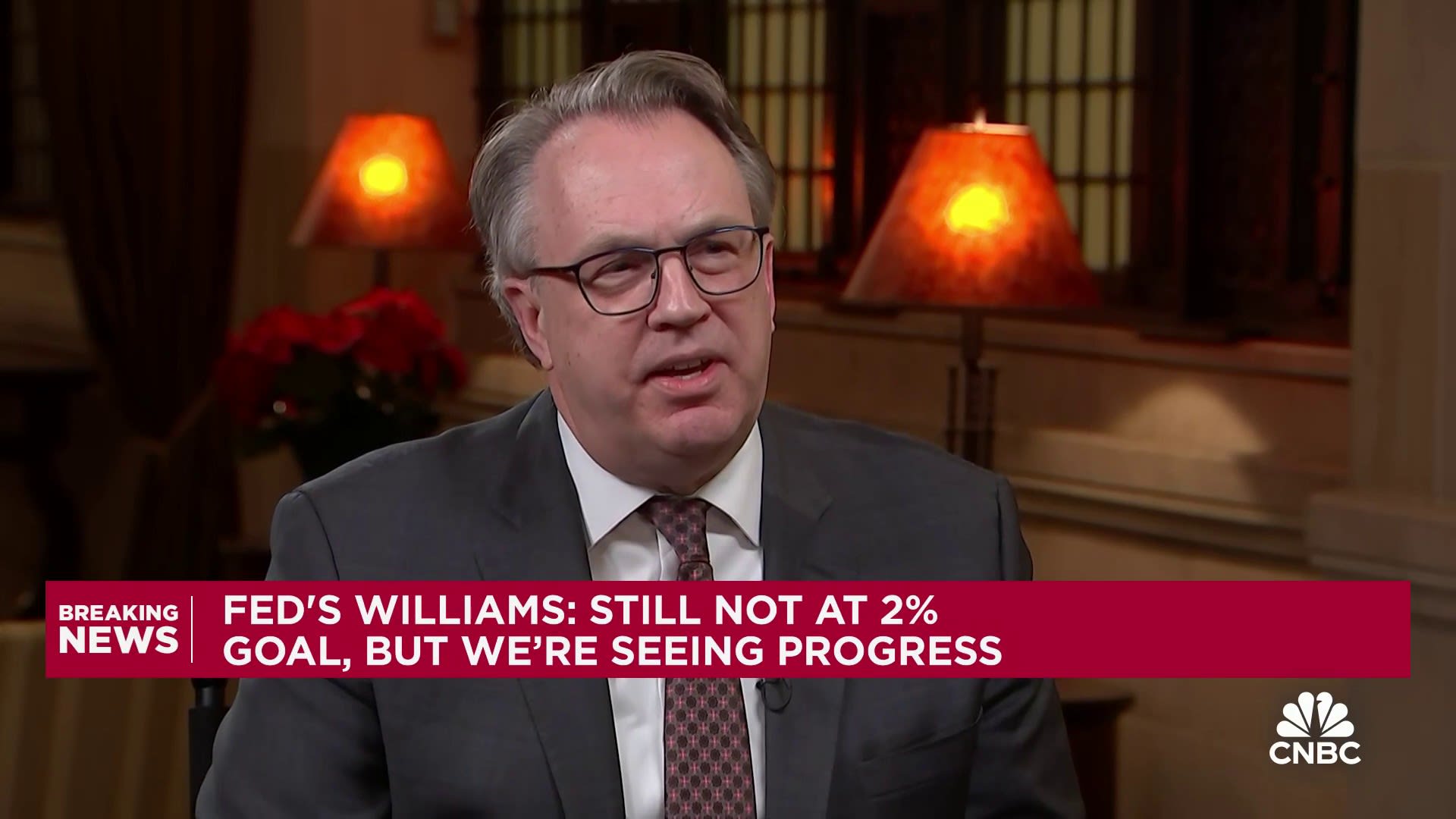
John Williams, President of the Federal Reserve Bank of New York, stated that the current monetary policy is in a strong position, allowing for careful monitoring of the economic impact of the war in Iran. This statement was made during an interview with Michael McKee on Bloomberg Surveillance, where he noted that the bank is in a position to observe economic developments without making hasty decisions.
This declaration comes at a time when the world is experiencing increasing tensions due to the conflict in Iran, which could affect the global economy in general and the U.S. economy in particular. Williams explained that the Federal Reserve is closely monitoring the repercussions of this crisis on financial markets and the macroeconomy.
Details of the Event
In his remarks, Williams emphasized that the current monetary policy of the Federal Reserve is "perfectly suitable," reflecting relative stability in economic conditions. He indicated that the bank prefers to wait and observe developments rather than making rash decisions that could exacerbate the situation. He also affirmed that the U.S. economy remains strong despite global challenges.
Williams also discussed various economic indicators, pointing out that unemployment rates remain low and economic growth continues. However, he warned that global conditions could impact these indicators in the near future, requiring the Federal Reserve to be prepared to adapt to any changes.
Background & Context
The monetary policy of the Federal Reserve is one of the most important factors influencing both the U.S. and global economies. In recent years, it has faced numerous challenges, ranging from the COVID-19 pandemic to geopolitical crises such as the conflict in Iran. In this context, the bank seeks to strike a balance between supporting the economy and monitoring inflation.
Historically, the Federal Reserve has played a pivotal role in stabilizing the U.S. economy, having taken numerous actions during past crises, such as lowering interest rates and purchasing government bonds. However, the current situation requires a more cautious approach given the increasing crises.
Impact & Consequences
The Federal Reserve's monetary policy could significantly affect global financial markets. If geopolitical crises persist, the bank may be forced to take more drastic measures, such as adjusting interest rates. This could lead to volatility in financial markets, impacting investments and businesses.
Moreover, the economic situation in Iran could influence oil prices, which in turn could affect the U.S. economy. Therefore, the bank's monitoring of developments in Iran is vital for maintaining the stability of the U.S. economy.
Regional Significance
Arab countries are significantly affected by global economic developments, particularly those related to oil prices. If crises in Iran escalate, oil prices may rise, impacting the economies of oil-producing countries in the region. Additionally, economic stability in the United States is important for Arab countries that rely on American trade and investment.
In conclusion, the global economic situation remains in a state of anticipation as challenges increase. It is crucial for Arab countries to stay informed about economic and political developments that may affect their interests.