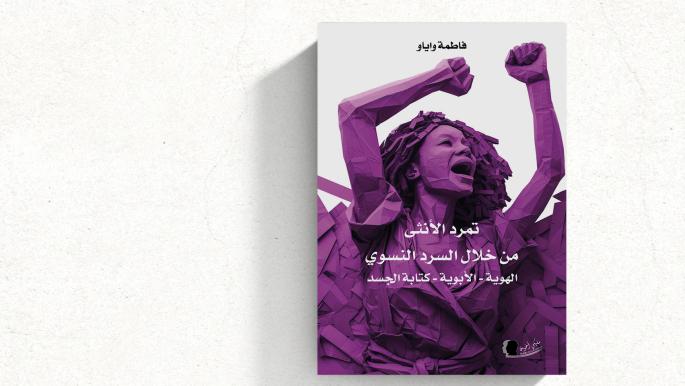
In her book 'Female Rebellion through Arab Feminist Narratives', Fatima Waiyau examines various dimensions of feminist storytelling, focusing on identity, liberation from patriarchal dominance, and the experiences of migrant women. The work highlights how women utilize literature to express their issues and reshape female identity in the Arab world.
Waiyau analyzes a collection of literary texts that reflect the experiences of Arab women, providing a deep analysis of how narrative serves as a tool for rebellion against patriarchal systems. By reviewing the life stories of women, she sheds light on the challenges they face in their communities and how literature can serve as a platform for change.
Event Details
Waiyau's reading includes an analysis of a group of Arab female writers, examining their works from a critical perspective that highlights the tensions between cultural identity and personal liberation. She provides examples of how individual experiences of women influence literary narratives, reflecting the diversity of women's experiences in the Arab world.
Waiyau draws on a range of literary texts addressing themes such as migration, discrimination, and identity, allowing readers to gain a deeper understanding of the challenges women face in Arab societies. She also discusses how literature can contribute to shaping collective awareness around women's issues.
Background & Context
This study comes at a time when the Arab world is witnessing significant social and cultural transformations, with women's issues increasingly prominent in public discussions. This book reflects the need for a deeper understanding of women's experiences in various contexts, especially amid the political and social changes occurring in the region.
Historically, Arab women have faced marginalization in literature and culture, but with the emergence of a new generation of female writers, feminist narratives have begun to gain their place in the literary arena. This book contributes to highlighting these transformations and underscores the importance of literature as a means of expressing women's issues.
Impact & Consequences
The book can foster dialogue around women's issues in the Arab world, helping to change prevailing concepts about women's roles in society. It also reflects the importance of literature as a means of social change, which can have a significant impact on public awareness.
Moreover, the book may encourage further studies and research on feminist narratives, contributing to enhancing cultural and social understanding of women's issues. Reevaluating feminist literature can open new avenues for understanding the challenges faced by women in the Arab world.
Regional Significance
This book represents an important step towards promoting dialogue about women's issues in the Arab world and reflects the need for more studies on feminist narratives. By highlighting women's experiences, the book can contribute to changing prevailing concepts about women's roles in society.
In closing, Waiyau emphasizes the importance of literature as a means of change, as it can enhance awareness of women's issues and strengthen their roles in society. 'Female Rebellion through Arab Feminist Narratives' is not just a literary study but a call to think about how literature can be used as a tool for empowerment and liberation.