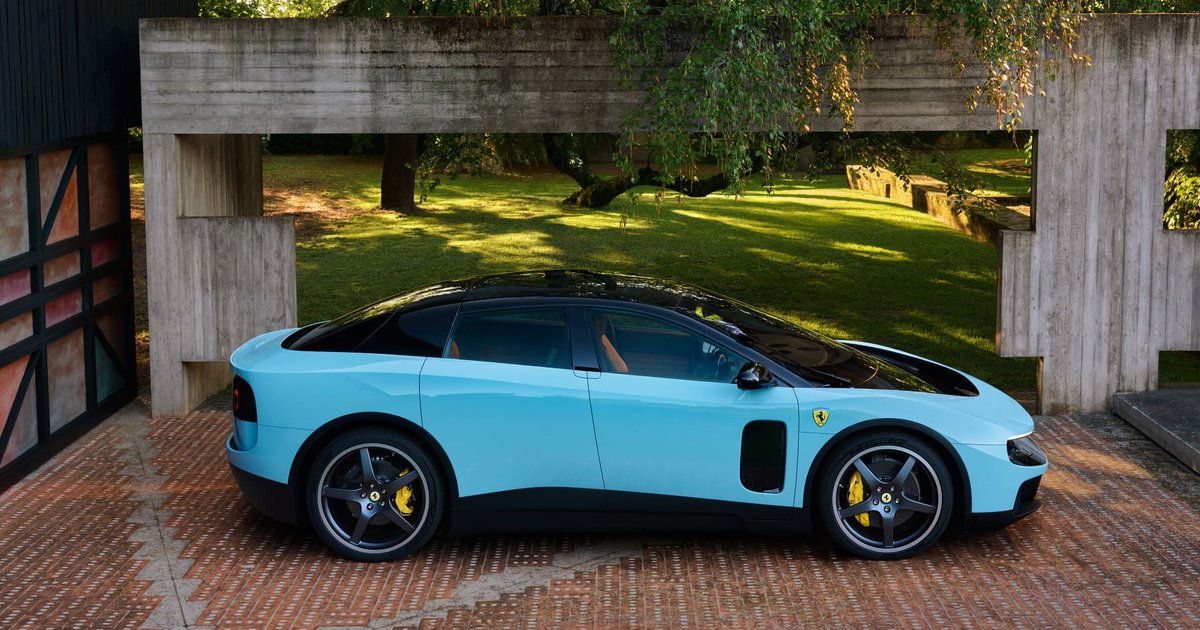
The Italian company Ferrari has stirred widespread controversy after unveiling its first electric vehicle, Luc, which saw the company's shares decline by 8% following the announcement of the car priced at €550,000, equivalent to $640,000. Despite facing backlash, some analysts pointed out that the market's response may be exaggerated.
Luc was revealed on Monday, with the company's CEO, Benedicto Vigna, describing it as a very important day marking the beginning of a new chapter in the company's history. However, many experts criticized the car's unconventional design, suggesting it could negatively impact investment returns.
Event Details
Analysts from RBC Capital Markets reported concerns that Luc's design, which emphasizes aerodynamics over downforce, might adversely affect its future value. However, they noted that investors had similar concerns when the Brusong model was launched in 2022, which later became one of the best-selling models.
Although Luc's design deviates from Ferrari's traditions, the company has assured that the driving experience will remain true to the brand. Analysts also mentioned that the company might limit Luc's sales volume to maintain its exclusivity, while initial demand for the vehicle serves as an important indicator for investors.
Background & Context
Ferrari is considered one of the leading luxury car manufacturers globally and has faced significant challenges amid the global shift towards electric vehicles. Historically, the company has focused on producing internal combustion engine cars, but with increasing environmental pressures, it has begun exploring new options in the electric vehicle sector.
This move comes at a time when many competitors, such as Bentley and Lamborghini, are lagging in launching electric models, highlighting the risks associated with transitioning to electric vehicles among wealthy customers. Nonetheless, global demand for electric cars continues to rise, making it essential for companies to adapt to this trend.
Impact & Consequences
The launch of Luc represents a bold step for Ferrari, as many analysts seek to assess its impact on brand value. While criticisms may initially affect sales, the success of Brusong could indicate that the market may embrace Luc over time.
However, the question remains whether Ferrari can balance innovation while preserving its rich heritage. Electric vehicles could significantly impact the company's profits in the future, especially with the growing demand for this category of cars.
Regional Significance
In the Arab world, where sustainability and innovation are increasingly important in the automotive industry, the launch of Luc could influence the market. With rising interest in electric vehicles in countries like the United Arab Emirates and Saudi Arabia, Ferrari may be able to attract new customers in the region.
In conclusion, it remains to be seen how Luc will affect Ferrari's future amid current challenges. This launch could signify a new beginning for the company or present a significant challenge in the electric vehicle landscape.