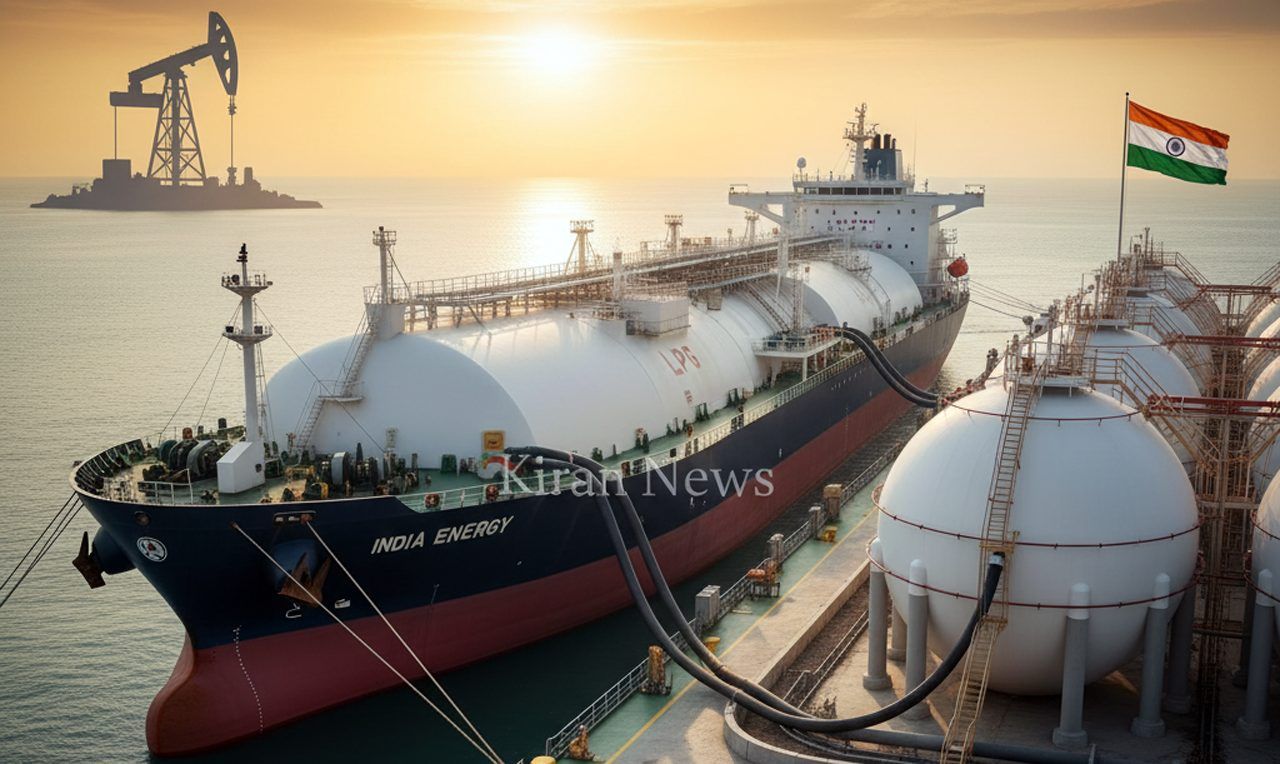
The Indonesian Ministry of Energy and Mineral Resources, led by Minister Bahllal Lahadalia, has announced the redirection of liquefied natural gas (LPG) imports from the Middle East to both the United States and Australia. This move is intended to bolster the security of energy supplies in the country, especially in light of geopolitical changes affecting global markets.
In statements made by the minister at his office in Jakarta, he emphasized that the government is striving to ensure the stability of gas supplies, stating, "The liquefied natural gas that we used to import from the Middle East has been redirected to other countries such as the United States and Australia." He noted that this initiative is part of a comprehensive strategy to ensure energy availability in the nation.
Details of the Shift
This initiative is part of the Indonesian government's efforts to ensure stable energy supplies amid the challenges facing global markets. Liquefied natural gas supplies from the United States account for approximately 70-75% of Indonesia's total imports, while supplies from the Middle East constitute only 20%. Long-term contracts have also been established with several countries to ensure supply stability.
Similar steps have been taken regarding crude oil supplies, with sources of imports being shifted from the Middle East to countries such as Angola, Nigeria, and other African nations. The minister confirmed that the national energy stock remains at safe levels, ensuring supply stability.
Background & Context
Historically, Indonesia has heavily relied on energy supplies from the Middle East, but recent geopolitical changes, including regional conflicts and economic pressures, have prompted the government to seek alternative sources. This shift reflects a strategic transformation in Indonesian energy policy, as the government aims to reduce dependence on traditional energy sources.
Indonesia is one of the largest energy consumers in Southeast Asia, and with the increasing demand for energy, the government is working to diversify supply sources to ensure energy sustainability in the future. This strategy aligns with a long-term vision for achieving energy security.
Impact & Consequences
The government anticipates that this shift will enhance national energy security, thereby reducing risks associated with reliance on a single source. Additionally, this decision may open new avenues for economic cooperation with gas-exporting countries, strengthening trade relations between Indonesia and these nations.
Moreover, this move could influence gas prices in the Indonesian market, as an increase in supplies from the United States and Australia is expected to stabilize prices, benefiting local consumers.
Regional Significance
This step is significant for enhancing energy security in Indonesia and reducing reliance on traditional sources. It reflects a proactive approach to navigating the complexities of the global energy landscape.
In conclusion, Indonesia's strategic redirection of gas imports not only aims to secure energy supplies but also positions the country to adapt to the evolving dynamics of global energy markets.