A character named Jessica Foster, who appeared in a series of images and videos on social media platforms, has generated substantial controversy after it was revealed that she is nothing but a fictitious character created through artificial intelligence methods. Foster was depicted as an American soldier showcasing her supposed military life, with images released of her next to F-22 fighter jets and also with former U.S. President Donald Trump.
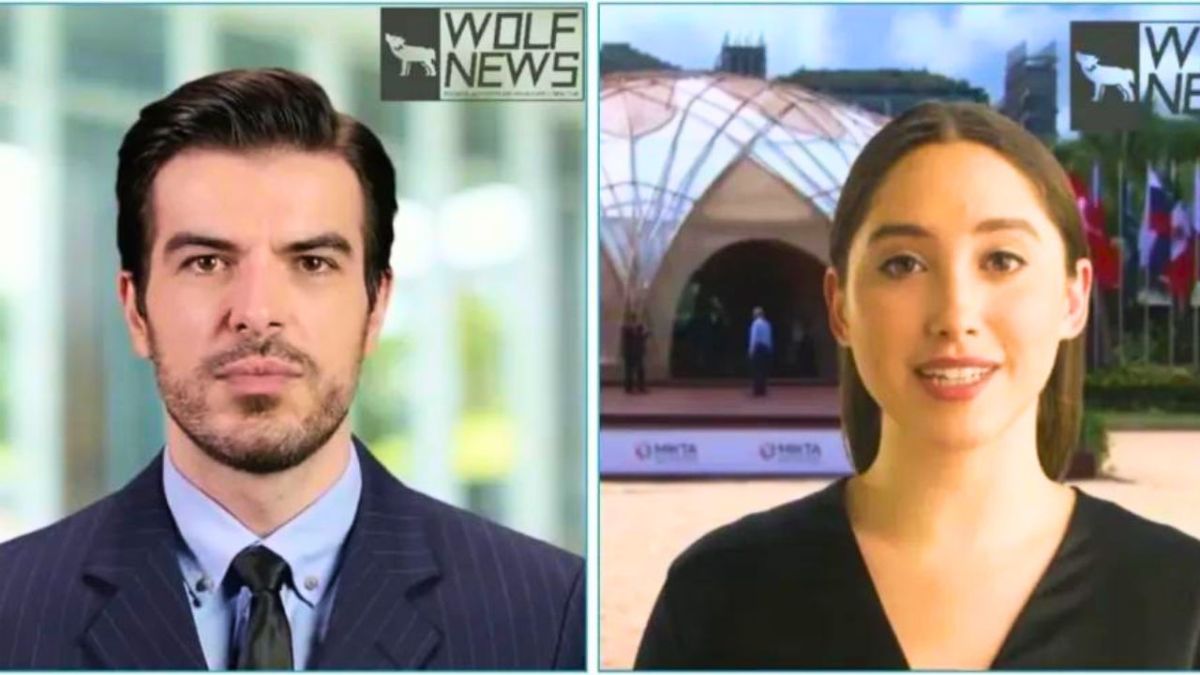
This type of forgery highlights the increasing capability of AI technology to create realistic content that closely resembles truth. The images of Foster, which displayed an adventurous military life, were merely part of a promotional campaign for a product.
Examining how AI is used to create such characters reveals that the creativity involved in crafting scenarios and fictitious stories has become a double-edged sword. While this technology can be used to create innovative and artistic content, it can also lead to the spread of misleading information that is easier to believe.
Warnings regarding Jessica Foster come at a time when the world is struggling with an increase in misleading operations online. In recent years, right-wing movements in the United States have surged, leading to doubts about the democratic foundations of the country, where such fictitious characters can fuel sectarian and racial conflicts.
However, it is important to remember that this type of technology is not new. For a very long time, science fiction has depicted visions of artificial intelligence, but the real concerns lie in how these technologies evolve to impact public opinion and useful information.
These transformations are also evident in the Arab context. As the use of social media grows as a primary source of information, such transformations can be a double-edged sword in the region. Individuals are encouraged to be more aware to distinguish between accurate and false information.
Thus, this issue opens a door for discussing the funding and ethics behind such technologies. How can the public be protected from misinformation? What necessary restrictions are needed to ensure the safe use of AI? Governments and companies should unify efforts to develop regulations governing the use of these technologies.
Enhancing public awareness and education about such technologies is fundamental to protecting society from the chaos of misinformation. For example, projects have been adopted in some Arab countries to detect misleading information, which is a positive step in mitigating the impacts of AI and rumors.
In conclusion, the experience of Jessica Foster highlights the need for further research and study on the effects of artificial intelligence; its use can be a cause for concern as well as admiration and astonishment. We must remember that the rooms that may facilitate the spread of lies should possess tools to support the truth.