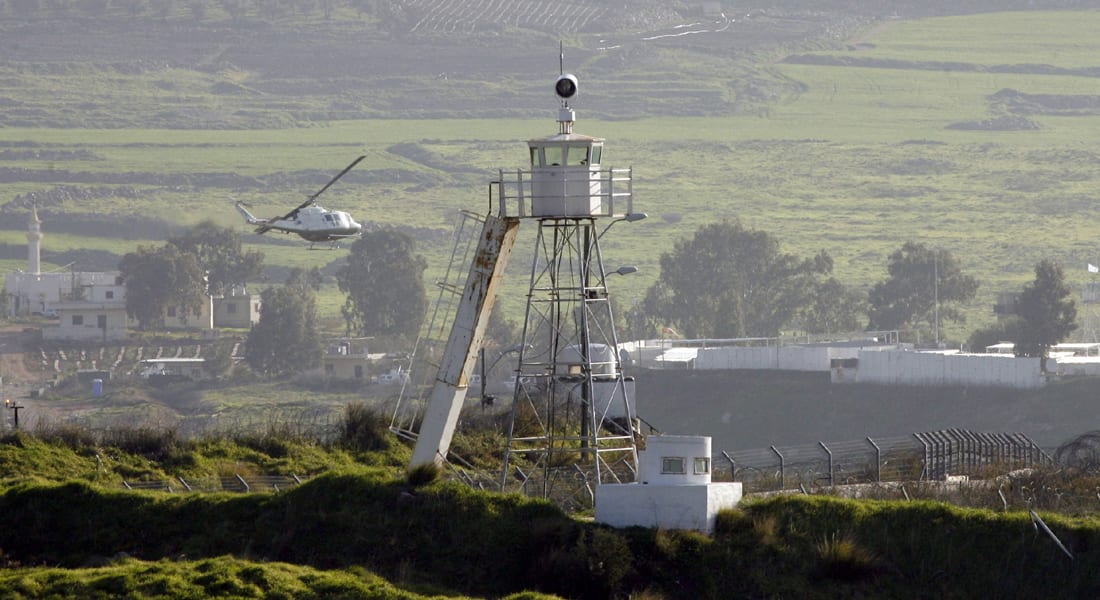
Fierce confrontations erupted in the border areas between Lebanon and occupied Palestine, as Hezbollah engaged in ground battles with Israeli forces, resulting in confirmed casualties among them. These clashes coincided with mutual rocket fire, further escalating tensions in the region.
The clashes renewed in several axes, particularly in the towns of Al-Khiyam, Al-Taybeh, Deir Sryan, and Al-Qantara, where fighters used light and medium weapons in addition to rocket shells. The intensity of these confrontations escalated following attempts by Israeli forces to infiltrate the area, leading to violent clashes around the mosque and school.
Details of the Incident
In detail, local sources reported that Hezbollah managed to repel Israeli forces attempting to advance in the area, with clashes erupting at zero distance, reflecting the severity of the confrontations. Reports also confirmed that Israeli forces sustained injuries, marking an unprecedented development in the ongoing conflict.
These events come at a sensitive time, as the security situation in Lebanon witnesses a notable escalation, with increasing military operations from both sides. Some observers have indicated that these clashes could mark the beginning of a new phase of military escalation in the region, especially with rising political tensions.
Background & Context
Historically, the Lebanese-Israeli border has witnessed numerous armed conflicts, with Hezbollah being one of the key actors in these confrontations. Since its establishment in the 1980s, the party has fought several wars against Israel, the most notable being the 2006 war that resulted in widespread destruction in Lebanon.
In recent years, tensions between the party and the Israeli army have escalated, particularly following events in Syria and Iran's interventions in the region. These factors have contributed to the intensification of the conflict, making the Lebanese-Israeli border a volatile area.
Impact & Consequences
The repercussions of these clashes extend beyond the Lebanese borders, potentially affecting regional stability in general. The military escalation could lead to international or regional interventions, complicating the situation further. Additionally, the continuation of these confrontations may impact the economic and social situation in Lebanon, which is already suffering from multiple crises.
Moreover, these events could lead to increased tensions between Palestinian and Israeli factions, threatening peace efforts in the region. If the escalation continues, it could pave the way for broader military operations, exacerbating the suffering of civilians on both sides.
Regional Significance
These clashes serve as a wake-up call for Arab countries, reflecting the instability plaguing the region. The military escalation between Hezbollah and Israel could affect relations between Arab states and Iran, especially amid changing alliances in the region.
Furthermore, these events may lead to increased popular support for Hezbollah in Lebanon, strengthening its political and military position. At the same time, these developments could raise concerns among other Arab countries, which seek to achieve stability in the region.
In conclusion, the situations in Lebanon and occupied Palestine remain under scrutiny, as fears grow of a military escalation that could have serious repercussions on regional security.