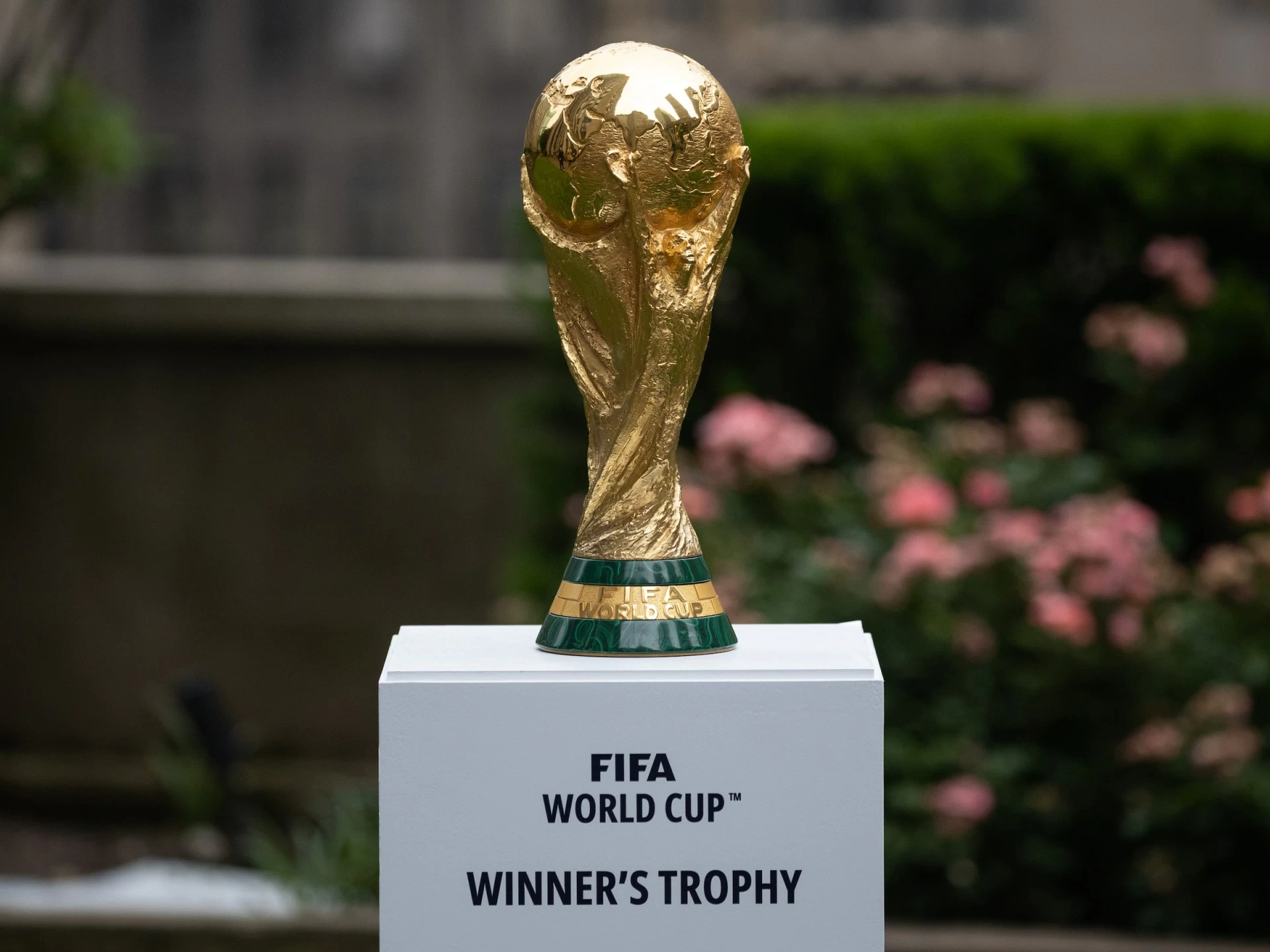
FIFA has announced a total of $727 million in prize money for the 2026 World Cup, which will take place from June 11 to July 19, 2026 across three countries: the United States, Canada, and Mexico. This notable increase in prize money coincides with the expansion of the tournament to include 48 teams, marking a significant change in the history of the World Cup.
This initiative is part of FIFA's strategy to enhance financial returns and distribute them more broadly among national federations. Through these prizes, FIFA aims to encourage more countries to participate in the tournament, contributing to the growth of football worldwide.
Event Details
According to the announced figures, the World Cup champion will receive a prize of $50 million, while the runner-up will earn $33 million. The third-place team will get $29 million, and the fourth-place team will receive $27 million. Teams reaching the quarter-finals (fifth to eighth place) will each receive $19 million.
For teams eliminated in the Round of 16 (ninth to sixteenth place), they will each receive $15 million, while a reward of $11 million has been set for teams exiting in the group stage (seventeenth to thirty-second place). Teams that leave the tournament early (thirty-third to forty-eighth place) will receive $9 million each.
Background & Context
Historically, World Cup prize money has seen a continuous increase with each new edition. In previous tournaments, the prize money was significantly lower than it is today. For instance, in the 2018 World Cup held in Russia, the total prize money was around $400 million, reflecting the growing trend towards increased investments in global football.
The expansion of the tournament to include 48 teams also reflects FIFA's desire to increase competitiveness and broaden the fan base. This expansion will allow more countries to participate, enhancing the popularity of the game in new regions.
Impact & Consequences
This increase in prize money is a positive step towards promoting football globally, as it will support national federations and finance football development programs in participating countries. Additionally, these prizes will motivate teams to achieve better results in the tournament.
This increase is expected to lead to more investments in football, not only from FIFA but also from sponsoring companies and supporters of the tournament. This could contribute to improving football infrastructure in the host countries.
Regional Significance
For the Arab region, this prize money represents a significant opportunity for Arab teams to compete at a higher level. These prizes could encourage Arab nations to invest in football and develop their sports programs.
Furthermore, the participation of Arab teams in the tournament may enhance their status on the global stage, increasing interest in football in the region and encouraging youth to engage in the sport.
In conclusion, the prize money for the 2026 World Cup represents an important step towards enhancing global football and providing greater opportunities for national teams to achieve success, contributing to the development of the game worldwide.