FIFA has announced new proposals allowing one match from each local league to be held abroad annually, raising questions about the future of European football, particularly in Germany. The German league, known as the Bundesliga, is expected to face significant challenges in balancing the preservation of the game's traditions with economic growth.
According to reports from The Guardian, host countries will be able to organize up to five matches from different leagues, with the United States being a preferred destination. However, this proposal faces strong opposition from clubs and fans in Germany, where widespread protests are anticipated if this decision is implemented.
Event Details
Historically, the idea of hosting local league matches abroad is not new. Last October, leagues such as La Liga in Spain and Serie A in Italy received permission to hold matches abroad, but those plans were canceled after local authorities objected. This reflects the tension between the desire for economic expansion and the need to maintain the local spirit of the game.
The new proposals from FIFA require the approval of all stakeholders, with FIFA retaining the right to reject any plans. This adds a layer of complexity to the discussion about the future of football, as some view this move as a response to increasing economic pressures.
Background & Context
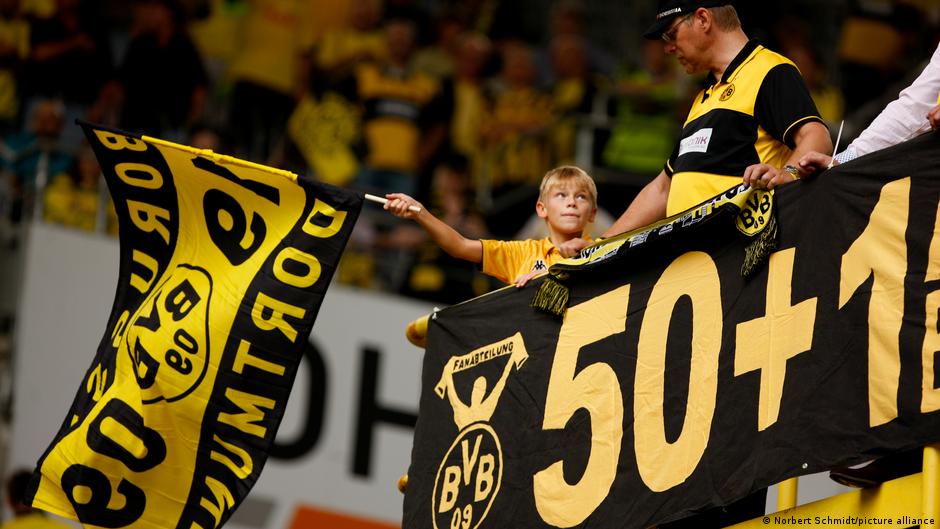
Historically, football in Germany has been closely tied to local identity, with the 50+1 rule ensuring that 50% plus one share of a club's stock must be owned by its members, preventing control by wealthy individuals or states. This system reflects the strength of German fans, as evidenced by failed attempts to attract investments from private partners.
If local league matches abroad become a reality, the Bundesliga will face a dual challenge of maintaining its traditions while responding to economic pressures. Hans-Joachim Watzke, the chairman of the German Football League's supervisory board, has stated that no matches will be held abroad as long as he is in charge of the league.
Impact & Consequences
Economic analysis suggests that hosting league matches abroad could yield financial benefits, but these should not be overestimated. For instance, matches from the National Football League (NFL) abroad have proven to generate significant returns, with clubs like Bayern Munich and Borussia Dortmund potentially earning tens of millions of euros.
However, the biggest challenge lies in preserving local identity. German fans do not just buy a match; they buy a local experience tied to belonging. Therefore, hosting a match abroad could lead to a loss of this experience, raising significant concerns among supporters.
Regional Significance
In the Arab region, these changes may affect how football is consumed. With the growing popularity of European leagues, Arab fans may find themselves more connected to matches held abroad, enhancing opportunities for sporting events in the region. This move could also open new avenues for collaboration between Arab and European clubs.
In conclusion, the question remains: Will German football succeed in adapting to these global changes without losing its local identity?